



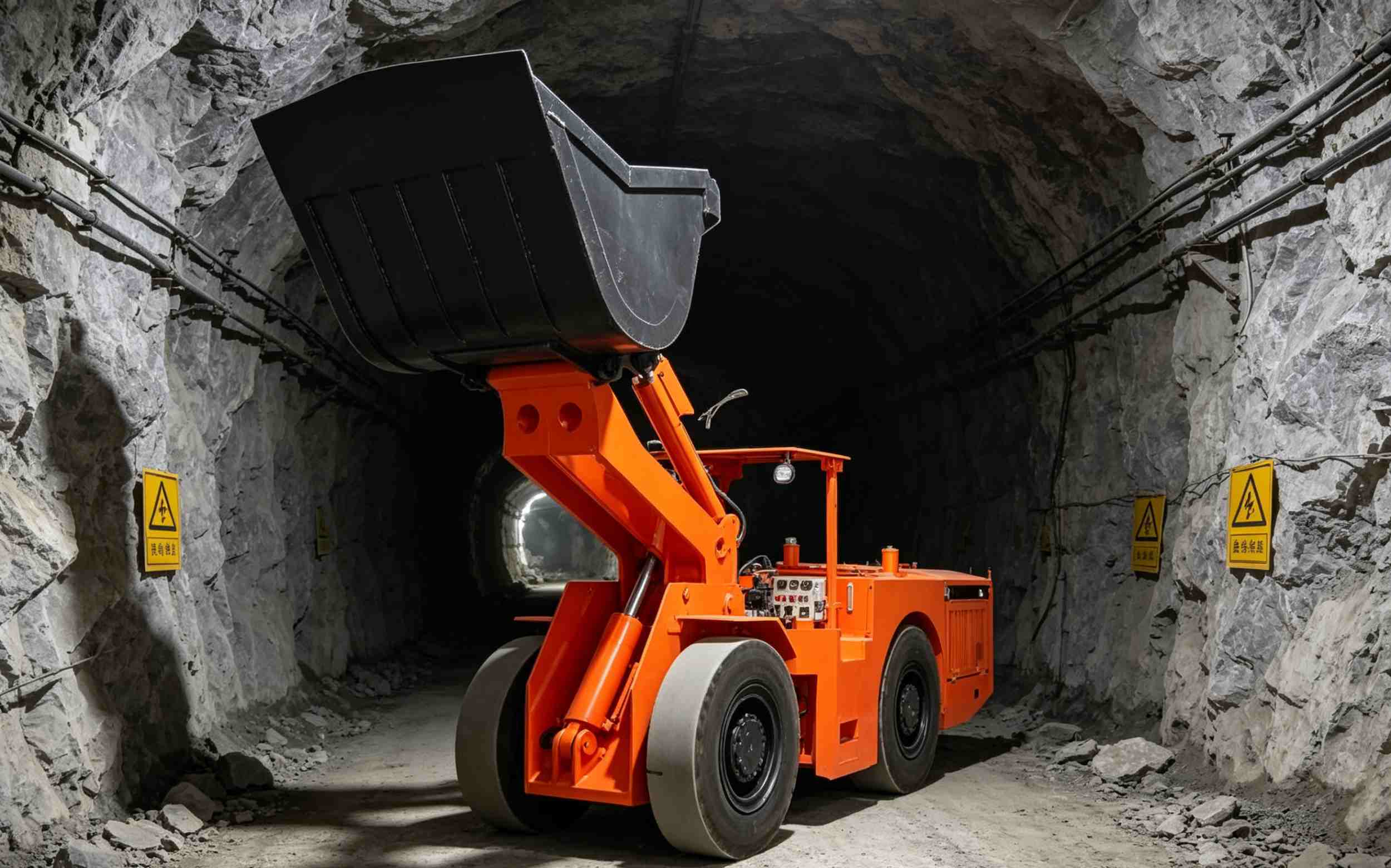
When it comes to haulage in the smaller underground mines there is a great challenge to maintain efficiency while moving the required 500 to 2000 tons per day at a fraction of the cost of the larger mines. A well chosen system of a 2t Underground Scooptram and 10t underground trucks is able to give the required production in the narrow-vein and low-profile mines.
Mine owners, contractors and equipment managers will learn how to design and build an efficient haulage loop in order to maintain production while trying to keep costs down.
Why This Combination Works for Mid-Size Mines
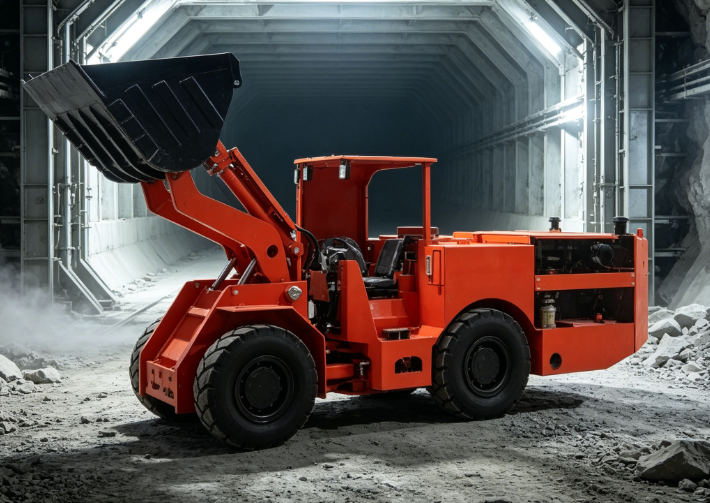
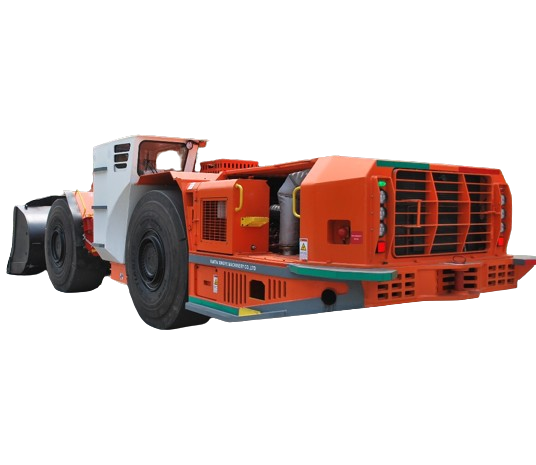
In headings of 3m to 4.5m wide, larger equipment can become bottlenecks. The CHWJ-1K 2-tonne scooptram is compact, fast loading and is a natural match for 8-12 tonne trucks. This unit enables efficient mining in narrow headings without the need for wide development roads and related high-cost infrastructure. It creates a good-sized and efficient mining production unit.
Typical mines producing 500-2000 tons/day operate with 2-4 trucks per loader. This configuration allows the scooptram to remain continuously busy without excessive waiting time for the trucks to return to the pile, or with the trucks idle in the plant area. A small gold operation in Southeast Asia achieved steady 1200 tons/day with this very configuration, against previous delays and excessive fuel consumption with a mis-matched fleet of equipment.
System Design and Cycle Time Planning
The full extent of a haulage system must be comprehended in order to achieve the system’s goals.
- Loading time at the face
- Haul distance and travel time
- Dumping time at the ore pass or surface
- Return trip
For a typical 800–1500 ton/day target:
- One 2-tonne scooptram can load a 10-tonne truck in 3–4 cycles (roughly 4–6 minutes)
- Round-trip cycle time of 12–18 minutes allows one loader to service 2–3 trucks efficiently
The CHWJ-1K’s small dimensions and sharp turning circle enables it to work safely in development headings and very narrow stopes where bigger machines would be a problem.
Equipment Matching and Performance Tips
Scooptram Selection Suggested is a 1.5–2.5 tonne class machine with good breakout for digging and good bucket fill factors. The CHWJ-1K has good visibility, good position of the operator station, and reliable hydraulics. Suitable for normal production work.
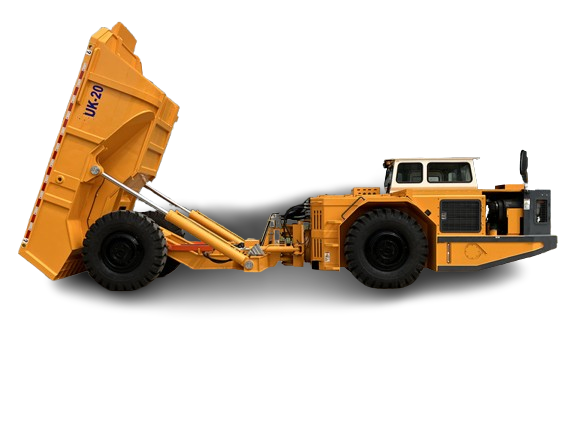
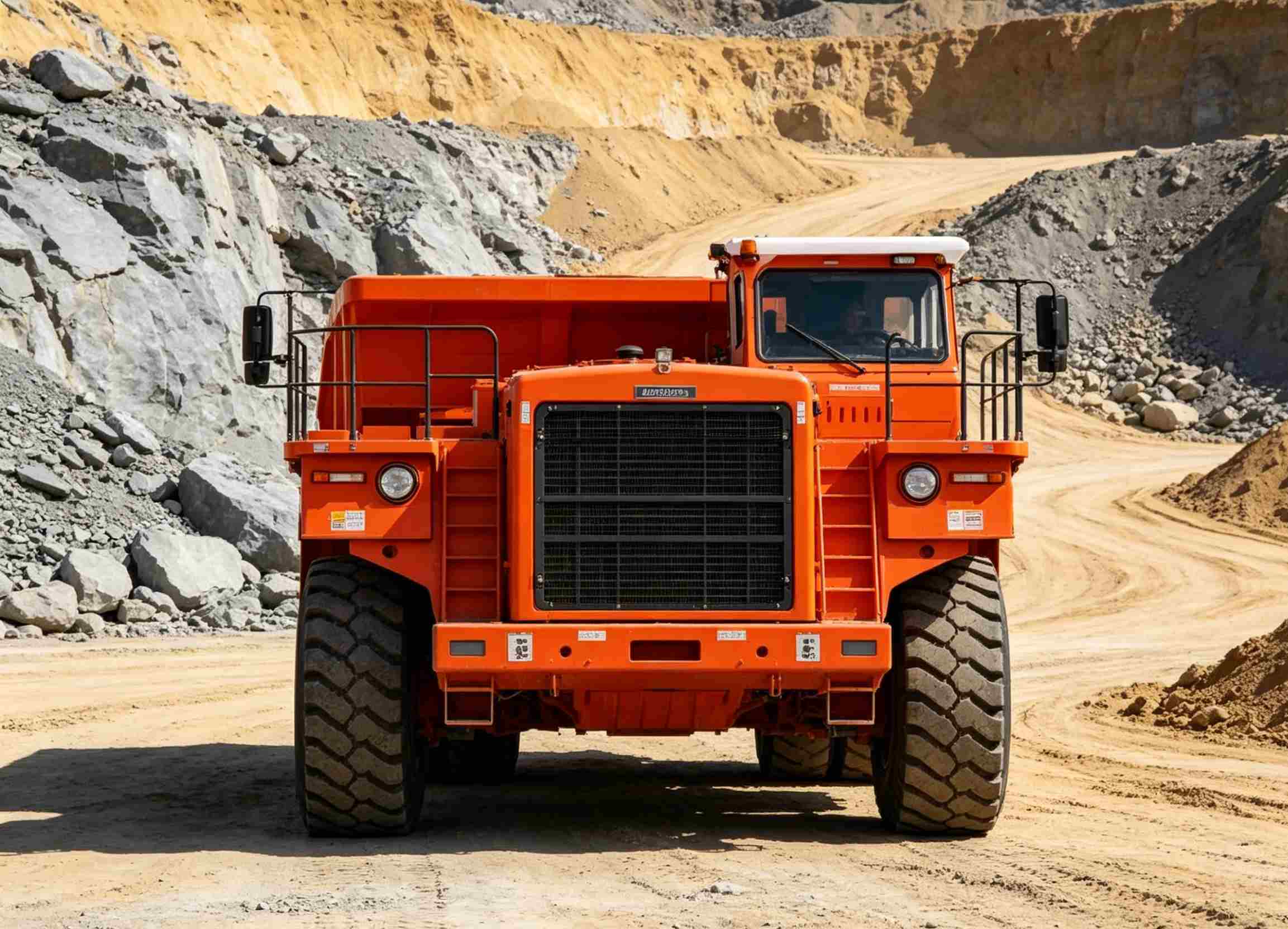
Truck Selection For underground applications 10-tonne trucks offer the ideal balance of payload and maneuverability in medium size tunnels. They should have good climbing ability, good track contact and good maintenance access.
Key Performance Factors:
- Match bucket size to truck capacity for clean, fast loading
- Ensure truck turning radius fits your development dimensions
- Plan passing bays and dump points to avoid congestion
Operational Best Practices for Maximum Efficiency
Crews with a lot of experience work according to a number of habits. These are important.
- Maintain consistent loading patterns to achieve high bucket fill factors
- Schedule regular cleaning of dump points to prevent material buildup
- Use proper road maintenance to reduce rolling resistance and tire wear
- Rotate operators to reduce fatigue on longer shifts
A contractor has increased productivity at a 1400 ton/day silver mine by 18% by optimizing the location of the dump points and how the roads are graded.
Cost Control and Fleet Economics
A 2-tonne scooptram and 10-tonne truck system can make very good economics in a small mine, provided that it is correctly specified.
- Lower initial capital investment than larger fleets
- Reduced development costs (narrower drives)
- Simpler maintenance requirements
- Easier parts inventory management
A number of operators report total operating costs 20% to 30% below that of an oversized fleet of equipment operating at throughputs between 500 tonnes per day and 2,000 tonnes per day.
Maintenance Considerations for Reliable Operation
To keep the system running smoothly:
- Follow daily visual checks on hydraulics, tires, and lights
- Grease according to manufacturer intervals (critical for the scooptram’s pins and bushings)
- Monitor engine and hydraulic temperatures, especially in deeper, warmer mines
- Plan scheduled maintenance during shift changes to minimise production impact
Yantai Chi Hong Machinery Co., Ltd. as a Trusted Underground Mine Truck Supplier
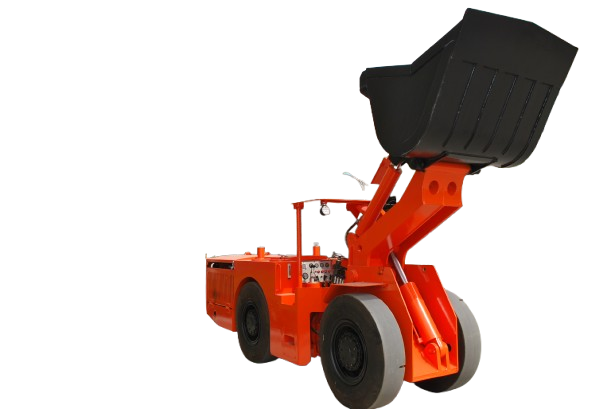
Yantai Chi Hong Machinery Co., Ltd. has developed a strong reputation over more than 12 years as a reliable underground mining equipment manufacturer. They produce a full range of trackless machines, including LHD loaders, underground mine trucks, and utility vehicles specifically designed for challenging underground conditions.
Sandvik equipment design is practical, build quality is strong and serviceability good. The company’s focus on delivering robust machinery that will work well in real mining conditions and keep operating costs down to a minimum has earned them several loyal contractors around the world. In particular, the underground mine trucks and loaders that work well together in the medium to small sized mine are serviced by a good technical support team. ISO9001 and CE certified, the company is committed to quality.
Conclusion
An efficient haulage system for 500 – 2000 tons per day shift does not have to consist of huge numbers of pieces of equipment or cost a fortune. Matching a 2 tonne Underground Scooptram with a 10 tonne underground truck delivers real productivity in the underground environment at very cost effective levels.
Optimising cycle time, correctly matching equipment to task and maintaining in a disciplined fashion are key to delivering good outcomes in mining. Small underground projects can deliver good returns for the operator by adopting a practical approach to optimize production.
FAQs
What is the production range for a 2-tonne Underground Scooptram and 10-tonne truck system?
Such a system is typical for a mine that produces 500 to 2000 tons per day, and depends on the haul distance and the working hours in the shift.
How many trucks to pair with a 2-tonne Underground Scooptram?
Typically, 2 to 3 trucks per loader is the normal practice in order to keep cycle times down to a reasonable level. Having a spare truck on site allows for much better utilization during maintenance periods.
What are the advantages of the CHWJ-1K for small underground mines?
The advantage of the CHWJ-1K for small underground mines is the small overall size combined with maneuverability and also the capability to load solids very efficiently.
What are the most important maintenance tasks to make a haulage system more reliable?
Daily lubrication of the scooptram, checking the hydraulic oil on a regular basis and the necessary maintenance on the roads.
Can this system be expanded later as the mine grows?
Yes. Many operations start with one loader and two trucks, then add more trucks or a second loader as production increases. The system scales naturally.

 English
  Chinese
  Russian
  Spanish