



In underground mining work, keeping material moving well is key to good output, less stoppage, and better worker safety. Miners often face jams in ore passes and grizzlies. These jams can slow things down a lot. So, picking the right underground rock breaker matters a great deal. This piece looks at what to think about when selecting gear to clear grizzly and ore pass jams. It helps make sure your mining work goes on without big hitches.
Why Grizzly and Ore Pass Blockages Are a Problem in Underground Mining
Grizzlies and ore passes play key roles in underground mining setups. Grizzlies are big metal grids that stop big rocks from going into the ore pass system. Ore passes help move ore from the digging spot to the top. But jams from big rocks or junk can mess things up badly.
Jams in grizzlies happen when big rocks get stuck in the bars. This blocks ore from entering the ore pass. Ore pass jams occur when large rocks form a bridge in the pass. This stops material from flowing well. Such jams waste time. They also bring dangers. They delay mining, add to stoppages, and can harm worker safety.
To cut these dangers, you need a solid underground rock breaker. It should clear jams well. And it should help stop them from happening again.
What Is an Underground Rock Breaker and How Does It Work?
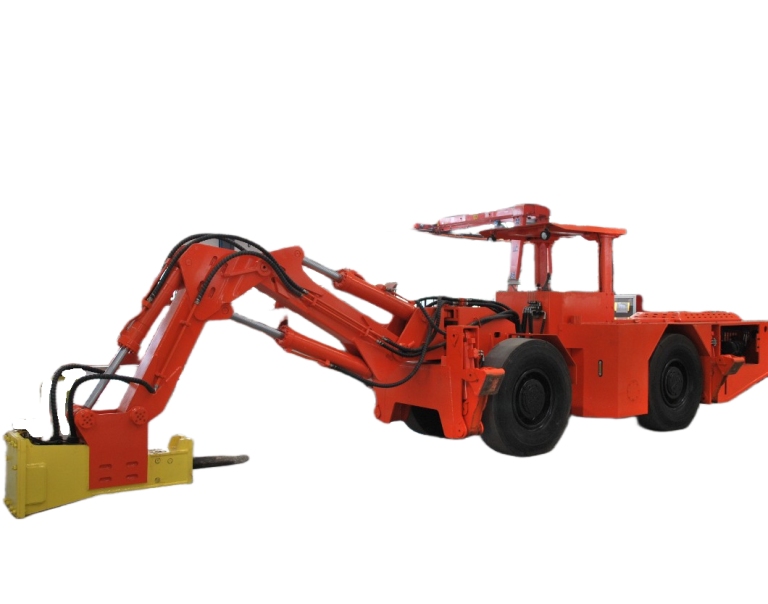
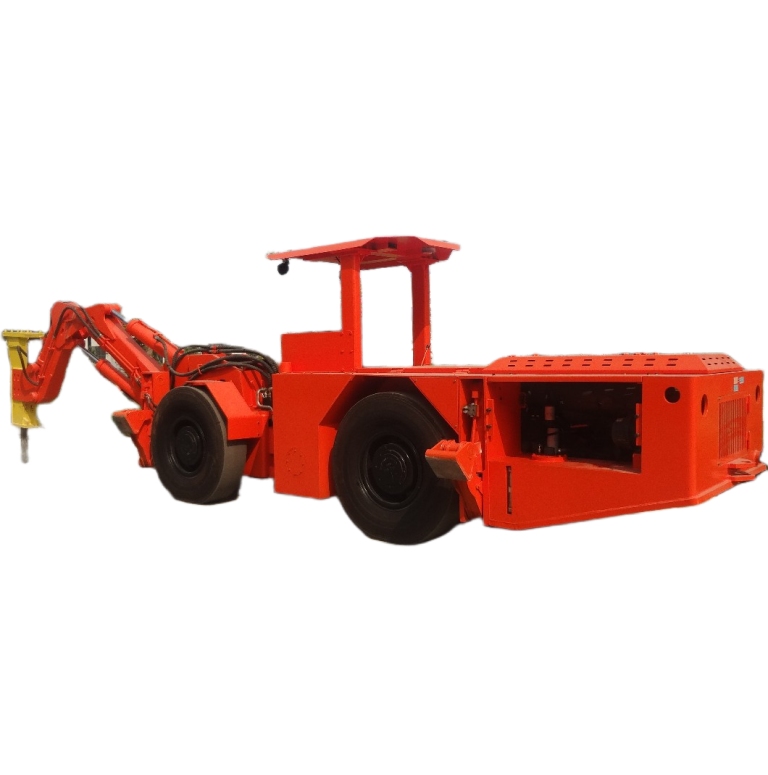
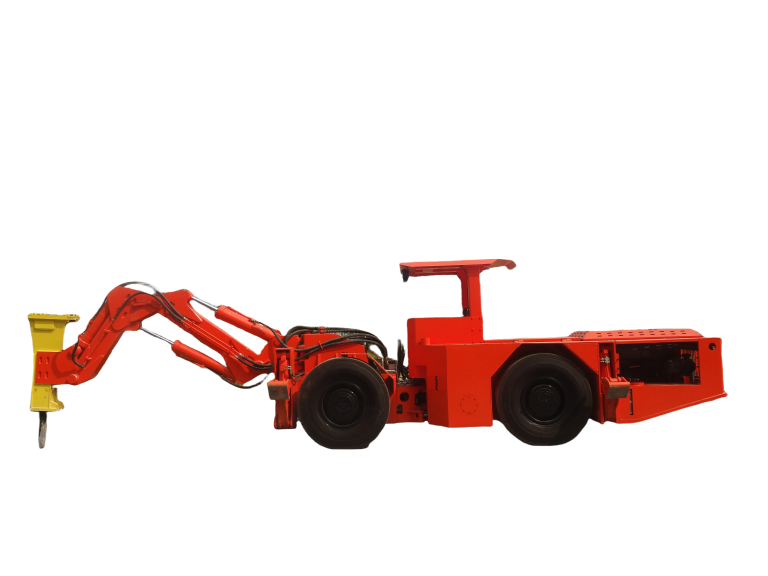
An underground rock breaker, or hydraulic hammer or impact breaker, is a strong tool for underground mining. It breaks big rocks or blocking stuff. These units often have a hydraulic hammer on an arm. Workers use it to smash rocks in tight or small spots where regular gear can’t go.
Hydraulic rock breakers handle rough underground spots. They give steady and good work. Their main job is to fix jams, especially in grizzlies and ore passes. They break big rocks or stones into small bits that are easy to handle. This keeps mining going without long waits.
Underground rock breakers vary in size and setup. Each fits different jobs and mine types. When picking one for your work, think about impact power, ease of movement, and energy source.
Key Factors to Consider When Choosing the Best Underground Rock Breaker
Picking the proper underground rock breaker means knowing your mining needs well. Here are the main points to guide you.
1. Application Fit: Grizzly, Ore Pass, or Other Blockages
First, figure out the exact use for the underground rock breaker. Jobs differ, so gear does too. For instance, clearing a grizzly jam might need different tools than breaking rocks in an ore pass. Some breakers work best for hard hits. Others suit steady clearing or removing junk.
Make sure the breaker fits the jam type you face. Often, you want one that handles both grizzlies and ore passes. This gives you room to adapt in your work.
2. Reach and Coverage Area
Underground mines have tight rooms. So, the reach and area covered by the rock breaker count a lot. A unit with good reach and wide coverage clears jams over bigger spots. It cuts the need for extra machines or lots of moving around.
Find breakers with enough arm length and work range for your mine’s shape. It must get to the jam spot well. This avoids extra waits and keeps stoppages low.
3. Impact Energy and Breaking Capacity
Impact energy is a top point for picking an underground rock breaker. It shows how well the unit breaks big, tough rocks. More energy means better handling of hard stuff. And it clears jams faster.
Also, check the breaking capacity. This means the size of rocks it can deal with. If big jams happen often in your mine, pick one with strong capacity.
4. Machine Size and Maneuverability
Mines have narrow paths and small areas. So, the size and ease of handling for the rock breaker matter. A small unit that moves well in tight spots clears jams better. It turns easy in slim halls.
Seek breakers with a small base and good navigation in close areas. A compact one has a tight turn space. This lets it work where big gear can’t.
5. Power Source and Underground Suitability
Underground work needs gear for small spaces with poor air flow. The power type for the rock breaker affects this a lot.
Diesel units are common in underground mining. They give power without outside lines. But you must watch diesel fumes in closed spots. Good air flow is key. Electric ones might fit mines with good power setups.
When picking power, look at your mine’s setup. Think about power access and air systems.
6. Safety Features and Remote Operation
Safety comes first in underground mining. A fine underground rock breaker has guard features for gear and workers. Many new ones allow control from afar. This lets operators stay safe. It cuts accident risks and time in bad spots.
7. Maintenance and Durability
Mining gear faces hard use. Rock breakers do too. So, how tough it is and what upkeep it needs are big deals. Pick units built for simple fixes and long life.
A good breaker is easy to check and repair. Parts should be on hand and simple to swap. This cuts stoppages. Your mining keeps running smooth.
Matching a Rock Breaker to Your Mine’s Needs
 After you know your mine setup and jam types, match a rock breaker to them. Focus on the points above. Choose one that deals with your usual jams.
Think about its power, reach, and breaking strength. For example, if big rocks often jam things up, get a strong unit. One with good impact and long arm will clear them fast.
Yantai Chi Hong Machinery Co., Ltd.: A Leading Supplier of Underground Rock Breakers
Yantai Chi Hong Machinery Co., Ltd. supplies fine underground rock breakers. They have much know-how in the field. The firm leads in giving solid gear for mining. Their breakers fit tough underground jobs. They offer strong work and safe use.
Their focus on quality shows in CE and ISO9001:2015 approvals. This means products meet world rules. Yantai Chi Hong Machinery Co., Ltd. gives gear that boosts work flow and cuts waits. It helps mines run safe and even.
Conclusion
Picking the top underground rock breaker for grizzly and ore pass jams is vital for good mining. Look at fit for use, impact power, reach, and handling ease. This picks the right gear for you. Put safety, simple upkeep, and strength first for lasting work.
If you need a solid supplier of underground rock breakers, Yantai Chi Hong Machinery Co., Ltd. has great items. They suit hard underground mining spots.
FAQs
What is the best underground rock breaker for grizzly blockages?
The best underground rock breaker for grizzly blockages gives strong impact power and good reach. It clears big rocks fast. It is small and works in tight spots to fix jams well.
How do I know if my mine needs a self-propelled underground rock breaker?
A self-propelled underground rock breaker fits mines with small rooms or ones that move gear often. If your mine has slim paths or you shift between jam spots a lot, this type works best.
Can I use an underground rock breaker for both grizzly and ore pass blockages?
Yes, many new underground rock breakers handle both grizzly and ore pass jams. But pick one with right impact power and reach for each job.
How often does an underground rock breaker require maintenance?
Upkeep for an underground rock breaker varies by type and how much you use it. Check it often and service as needed. This keeps it running well.
What safety features should I look for in an underground rock breaker?
Look for key safety parts like far-off control, quick stop buttons, and strong guards. Also, make sure it follows local rules to cut risks in underground work.

 English
  Chinese
  Russian
  Spanish