



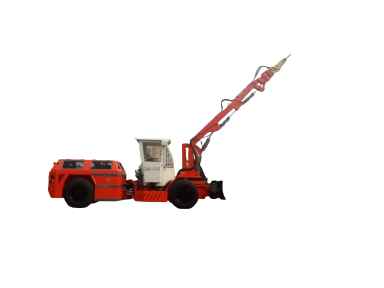
In the world of underground mining, equipment like underground pick scalers plays a key role in keeping tunnels safe by removing loose rocks. Operators often run into snags that slow down work or raise safety concerns. This post dives into common problems when using underground pick scalers and straightforward ways to handle them, drawing from real mining site experiences. Whether you’re dealing with hydraulic glitches or engine hiccups, knowing how to spot and fix these can keep your team moving.
Understanding the Basics of Underground Pick Scalers
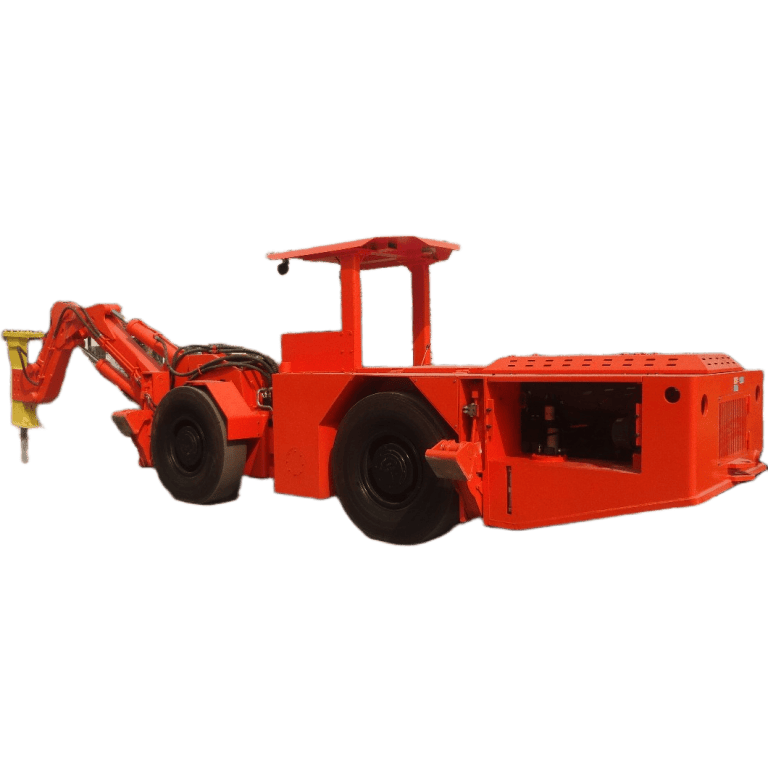
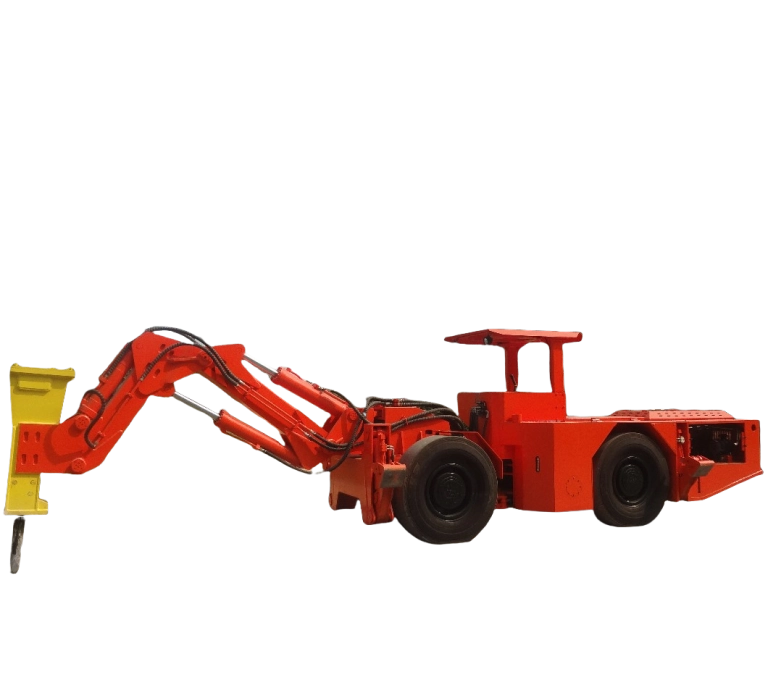
These machines handle tough jobs in tight spaces, breaking away unstable material from tunnel walls and roofs. Built for diesel power, they reach heights up to 9.5 meters and move at speeds around 23 km/h in flat areas. But like any heavy gear, they face wear from dust, vibrations, and constant use.
Daily checks form the backbone of smooth runs. Skipping them leads to bigger headaches down the line.
Key Components and Their Roles
The hammer delivers impacts from 700 to 1200 beats per minute, powered by a hydraulic system. Pumps and motors keep everything flowing. Tires and steering handle turns in narrow spots, with inner radii as small as 1800 mm.
When these parts sync up, scaling goes fast. But mismatches cause downtime.
Hydraulic System Troubles
Hydraulic failures top the list of underground pick scaler issues. Fluid leaks or pressure drops happen often in dusty mines, where debris clogs lines.
One site in a metal mine saw operations halt because hoses wore out after 500 hours of use. The fix? Inspect hoses weekly and replace them every 300-400 hours, depending on rock hardness.
Spotting Leaks Early
Look for wet spots under the machine or reduced hammer power. Low fluid levels show up on gauges.
To solve, drain and refill with clean hydraulic oil. Use filters rated for mining dust. This cuts leaks by 40% in high-use setups, based on field reports from hydropower tunnels.
A quick tip: Run the system at idle for 10 minutes after refills to bleed air.
Pressure Loss Fixes
If pressure fades, check the pump first. Worn seals let air in, dropping efficiency.
Replace seals and test pressure with a gauge. Aim for 3-6 kW impact power. In one case, a tunnel crew boosted output by 25% just by calibrating the pump monthly.
Keep records of pressure readings to catch drops before they worsen.
Engine and Power Problems
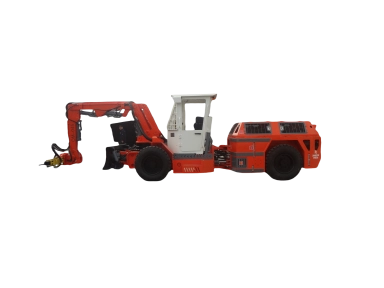
Diesel engines drive these scalers, but they overheat or stall in confined spaces with poor air flow.
A common snag: Fuel filters clog from dirty diesel, cutting power by half. This hit a crew in a 7-meter-high tunnel, stranding the machine mid-shift.
Overheating Solutions
Coolant levels drop fast in hot mines. Check radiators daily and flush them every 200 hours.
Add fans if vents are blocked. Sites with 54 kW engines report fewer shutdowns after installing extra cooling fins, keeping temps under 90°C even in summer digs.
Short bursts of work help too. Run for 20 minutes, then idle for 5.
Fuel System Maintenance
Dirty fuel leads to rough starts. Use clean storage tanks and add stabilizers.
Replace filters every 100 hours. One operation saved 15% on fuel by doing this, plus avoided stalls during long shifts.
Test fuel quality on-site with kits to spot water contamination early.
Mobility and Steering Challenges
Tight turns in tunnels test these machines, with outer radii up to 6200 mm. Troubleshooting underground scaler mobility often points to tire wear or steering linkage issues.
In narrow veins, uneven ground wears tires unevenly, causing slips.
Tire Wear Management
Inspect treads daily for cuts. Rotate tires every 500 hours to even out wear.
Inflate to spec—usually 4-6 bar. A gold mine team extended tire life by 30% with this routine, reducing replacements from quarterly to every six months.
Balance wheels to cut vibrations that loosen bolts.
Steering Adjustments
If turns feel stiff, lubricate joints. Dirt buildup adds resistance.
Align the frame after rough use. Crews in steep inclines adjust every 300 hours, smoothing out 1:7 gradients.
This keeps speeds steady at 7-12 km/h without jerks.
Hammer and Impact Failures
The hammer is the heart of scaling, but weak hits or jams frustrate operators. Common underground scaler failures here stem from rod wear or impact energy drops.
A 45 mm rod might bend after hitting hard quartz, slowing beats.
Rod Replacement Tips
Check rods for bends after each shift. Straighten or swap if off by more than 2 mm.
Use hardened steel for abrasive rocks. In one limestone tunnel, switching rods cut jams by 50%, hitting 1200 bpm consistently.
Sharpen tips weekly to maintain bite.
Boosting Impact Energy
Low energy often ties back to hydraulics, but check valves too.
Clean them every 200 hours. A crew in a coal seam regained full 240 J impacts by flushing valves, avoiding a full teardown.
Monitor beats with onboard gauges for early warnings.
Electrical and Control System Glitches
Wiring shorts or control panel faults crop up in wet mines, leading to erratic behavior.
Lights flicker or controls lag, risking safety in dark tunnels.
Wiring Inspections
Seal connections against moisture. Check harnesses monthly.
Replace frayed wires immediately. Sites with 86.5 kW setups report zero shorts after wrapping exposed areas in tape.
This keeps systems reliable for 1000-hour runs.
Panel Calibration
If buttons stick, clean with compressed air. Calibrate joysticks quarterly.
One operation fixed lag by updating software, cutting response time from 2 seconds to under 1.
Backup batteries ensure starts in power dips.
Meet Yantai Chi Hong Machinery Co., Ltd.
Yantai Chi Hong Machinery Co., Ltd. stands out as a reliable underground pick scaler supplier. Based in Yantai City, China, this company focuses on underground mining gear, including scalers, loaders, and trucks. With 12 years in the field, they hold certifications like ISO 9001:2015 and EU CE. Their 96,000 m² base employs over 300 staff, emphasizing safe, efficient designs that cut costs and improve miner safety. They serve global markets with a commitment to quality and innovation.
For more on our products, visit our homepage for updates.
Conclusion
Handling common problems with underground pick scalers boils down to regular checks and quick fixes. These steps not only solve immediate issues but also extend machine life, boosting overall mine productivity. Strong maintenance builds trust in your equipment, letting teams focus on the job.
FAQs
What are the most frequent underground pick scaler problems in tight tunnels?
In narrow spaces, steering jams and tire wear rank high. Address them with daily lube and rotations to keep turns smooth.
How can I fix hydraulic leaks in my underground pick scaler?
Start by spotting wet areas, then replace hoses and refill fluid. Weekly inspections prevent bigger downtime.
Why does my underground pick scaler’s engine overheat during long shifts?
Poor airflow and low coolant cause this. Flush radiators every 200 hours and add cooling aids for steady runs.
What maintenance tips help solve underground scaler issues long-term?
Track hours on parts like filters and rods. Replace on schedule to avoid surprises and cut repair costs by up to 30%.

 English
  Chinese
  Russian
  Spanish