



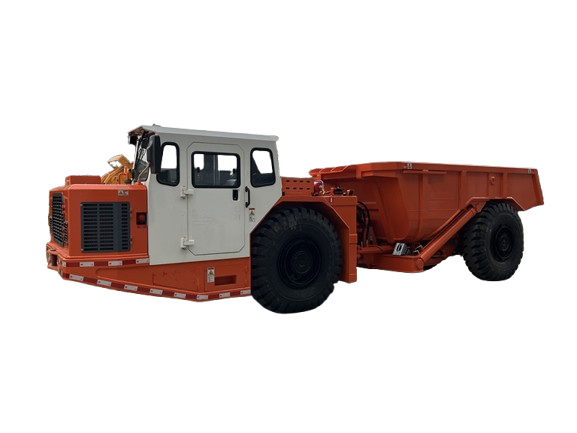
In the challenging underground mining environment, choosing the right rockbreakers, drills, and haulage trucks is essential for productivity, safety, and cost efficiency. Harsh geology, tight spaces, and strict safety demands make equipment selection a critical decision that directly impacts project success.
Matching Rockbreaker Specifications to Operational Requirements
Day-to-day needs set the technical details. These include boom reach, hydraulic flow, and impact frequency. A longer boom reach boosts flexibility. It helps when you break large rocks from different angles. Meanwhile, accurate hydraulic flow control keeps power steady. Finding the right balance between power output and ease of handling is key in underground work. Space there is often tight. You should also check how well it fits with current excavators or carriers. This smooths the way into existing groups. It cuts extra money spent on setup. The best rockbreaker gives even force spread. And it does not overload the carrier systems.
Maintenance and Durability Considerations
Planning upkeep has a big effect on how long equipment stays running. Checking how long wear parts last and how easy they are to change helps guess full costs over time. Units with strong tool steels, beefed-up housings, and simple repair spots are better for heavy use in underground places. Their solid track record in nonstop work cuts surprise stops. On top of that, looking at service help and part stock in out-of-the-way mine spots makes sure upkeep waits do not mess up output plans.
How to Choose the Right Drill for Efficient Underground Operations?
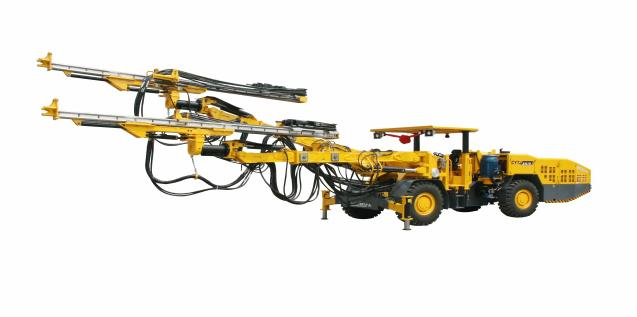
To choose the right drill effectively, the first step is understanding how different mining objectives directly influence the selection of drilling methods.
Identifying Drilling Method Based on Mining Objectives
Choosing a drill relies on mining goals like ore body shape and output aims. Percussive drills fit hard rock areas that need strong impact energy. Rotary drills do better in softer layers. There, steady cutting works faster. Longhole drilling systems suit deep ore pulls. These need exact straight lines over long runs. Figuring out drilling depth, hole size, and accuracy needs makes the picked drill fit blast plans. It also matches bigger productivity targets.
Assessing Power Source and Automation Capabilities
Choosing the power source—pneumatic, hydraulic, or electric—impacts both output results and running costs. Hydraulic drills give better twist control in small areas. Electric models save energy. They also lower fumes, which helps underground air systems. Automation features like remote control or data logs boost safety. They cut worker time in risky spots. Adding digital tracking lets you watch penetration speeds and tool wear right away. This raises accuracy. At the same time, it lowers stops through smart upkeep predictions.
Safety and Ergonomics in Drill Selection
Meeting safety rules is most important in underground work. Equipment needs to follow air flow standards. It should also have dust control systems to keep air clean. Comfortable controls cut worker tiredness on long shifts. This lifts output and attention. Shake-cutting parts stretch user ease and tool lifespan. They ease the mechanical strain passed through grips or control boards.
How Do Haulage Trucks Influence Productivity in Underground Mining?
Before evaluating load capacity and haul distance efficiency, it is essential to understand how haulage trucks directly impact overall productivity in underground mining operations.
Evaluating Load Capacity and Haul Distance Efficiency
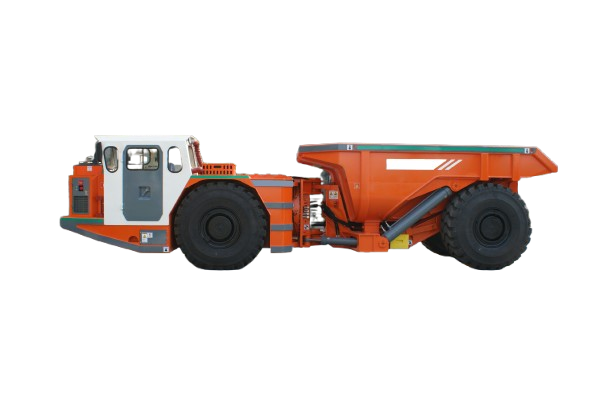
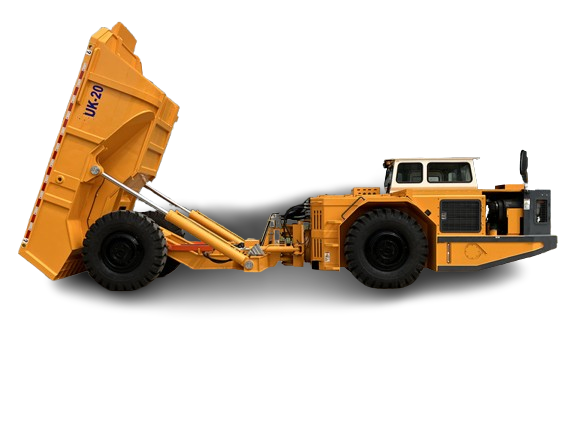
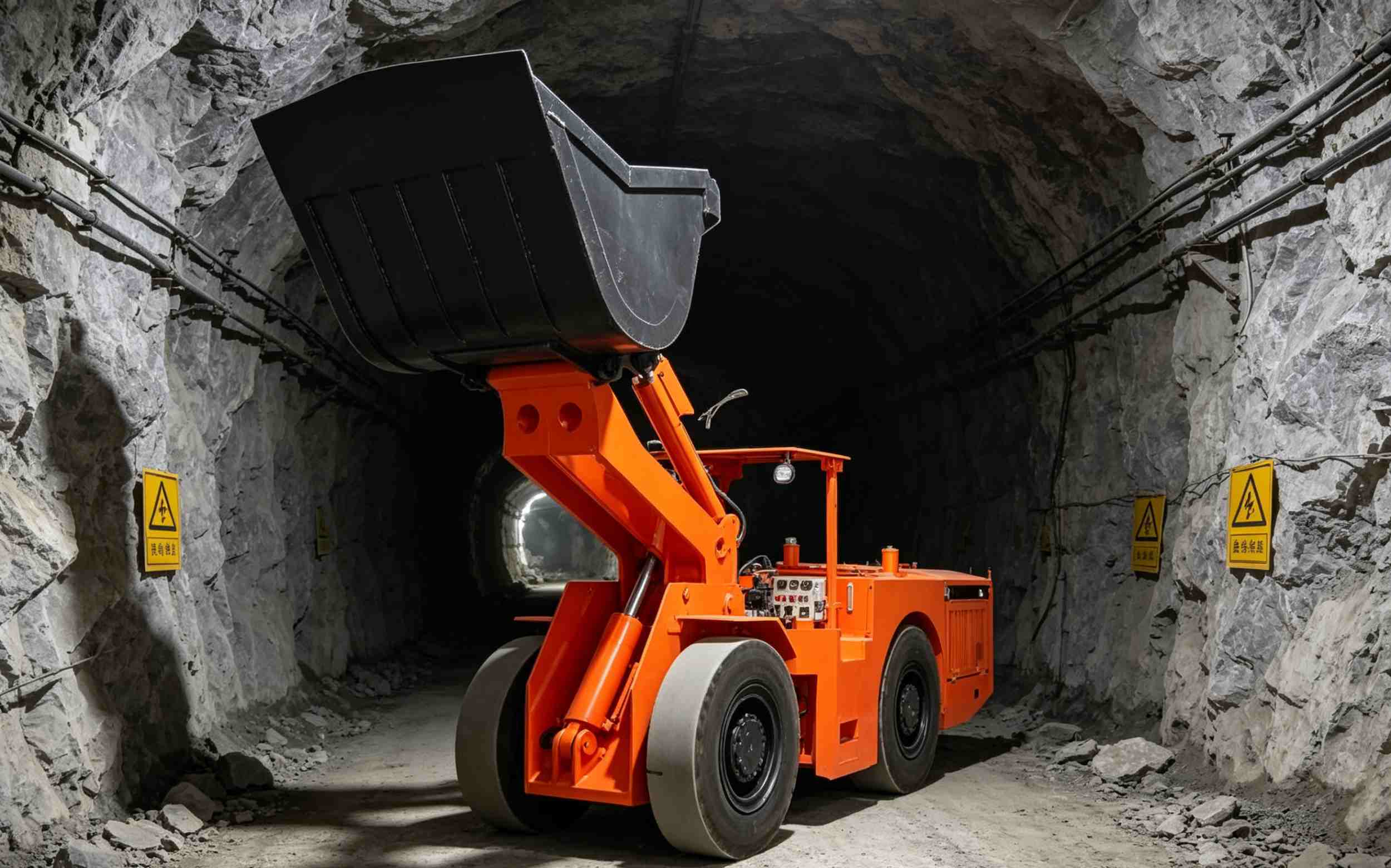
Haulage trucks shape the time for cycles between load points and drop stations. Pairing truck size to mine design ensures even load spread along ramp slopes. It avoids pushing engines or brakes too hard. Improving the payload-to-power balance boosts fuel use. It keeps steady haul speeds on rises. Looking at cycle times helps line up loading, moving, and dropping. This gets the most output per shift.
Considering Equipment Compatibility Across the Fleet
Group matching improves logistics flow across mining steps. Trucks need to link smoothly with loaders, crushers, and belts. This cuts wait times during material shifts. Using standard group parts eases upkeep stock control. It lowers the need for many spare part types. Planning for growth lets haul size expand as output goals rise. And it does so without big change costs.
What Role Does Equipment Integration Play in Overall Mine Efficiency?
To understand overall mine efficiency, it is important to first examine how effective integration of equipment enables smooth coordination between different operations.
Coordinating Rockbreakers, Drills, and Trucks for Seamless Workflow
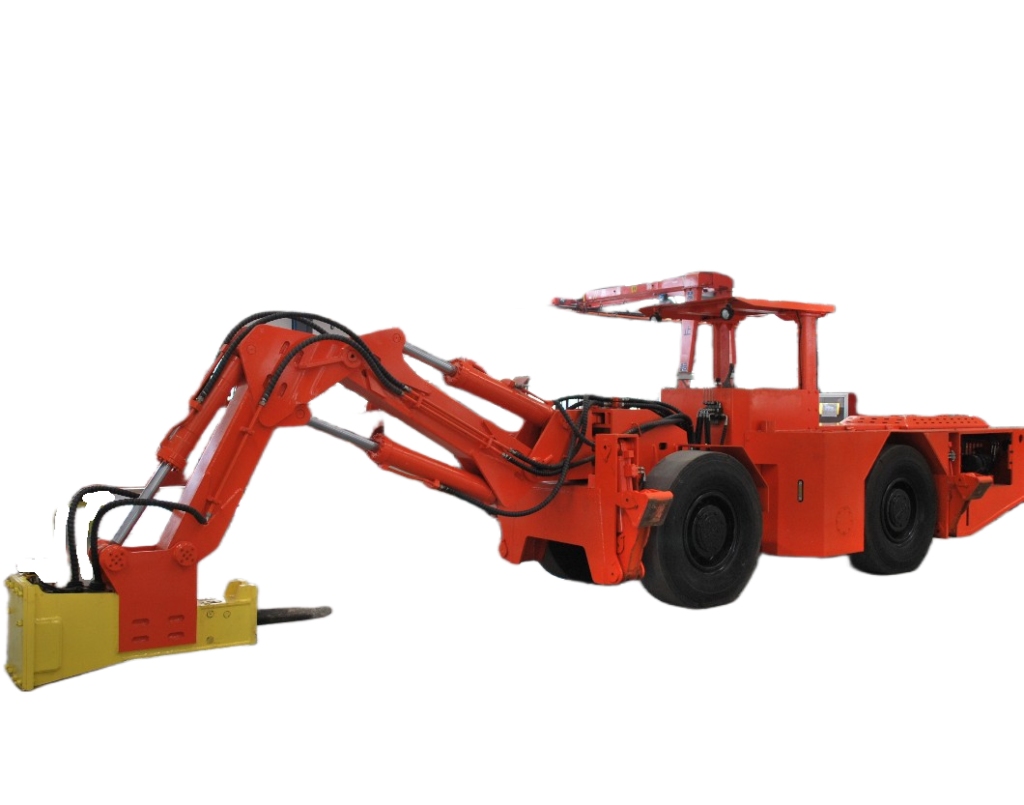
Good linking among rockbreakers, drills, and trucks cuts work jams across digging phases. Flow plans should keep wait times low. This applies between breaking big rocks, drilling blast holes, and carting broken material from stopes or tunnels. Data-based timing tools can match gear use patterns. They pull from live output stats gathered by onboard sensors or main control setups.
Enhancing Energy Efficiency Through System Optimization
Boosting energy means picking machines with adjustable speed drives or energy-reclaim braking systems. These grab motion energy when slowing down. Path planning software cuts extra moves. It spots the shortest routes between faces and drop points underground. Smart upkeep tech boosts energy results more. It keeps prime mechanical state across all linked units over their full service time.
Why Is Supplier Reliability Crucial in Equipment Procurement?
Before evaluating technical support and after-sales service quality, it is important to recognize how supplier reliability directly impacts long-term equipment performance and operational stability.
Evaluating Technical Support and After-Sales Service Quality
Steady suppliers keep work going with quick tech help networks. These handle fast fix support. Getting spare parts in short waits stops costly breaks during key output times. Full training programs from suppliers build operator skills. These cover advanced checks for regular looks or small on-site fixes. Teaming with suppliers who have solid experience in underground jobs ensures gear answers fit for tough geological spots.
Who Is Yantai Chi Hong Machinery Co., Ltd.? — A Trusted Supplier in Mining Equipment Solutions
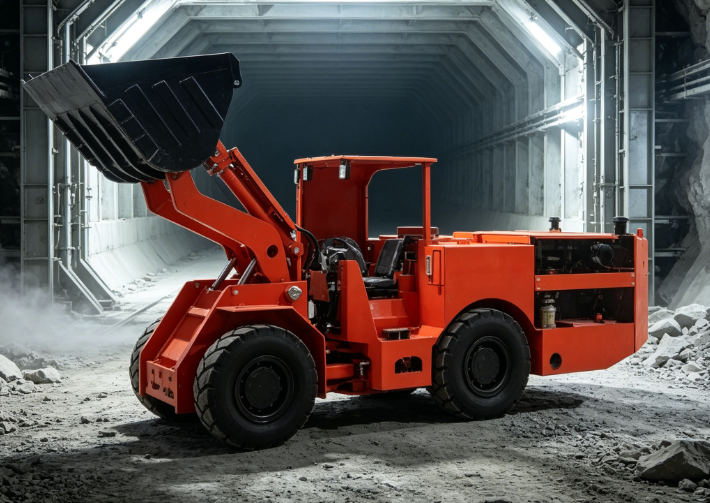
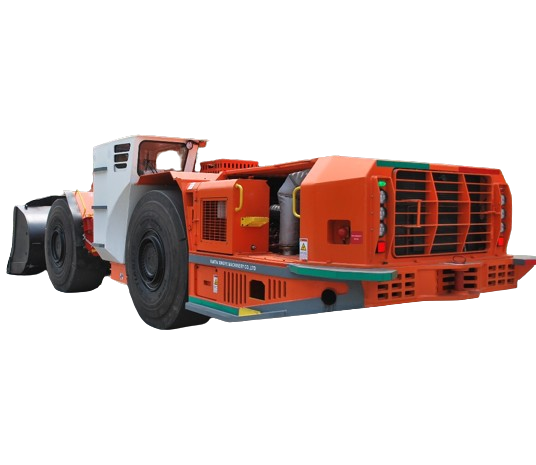
Yantai Chi Hong Machinery Co., Ltd., based in China, focuses on building high-output rockbreakers, drills, loaders, and other mining gear made for underground uses. The company stresses exact engineering, toughness, and worldwide service help across many mining areas. Its product lineup shows a promise to give effective fixes. These can run in harsh underground conditions where dependability is a must.
Compromiso con la calidad y la innovación
The firm uses top making tech to ensure steady product strength under rough conditions. It offers custom fixes lined up with each client’s rock hurdles and work goals. This way shows a clear sense that every mine brings its own issues. So, it needs specific engineering fixes instead of basic gear setups. By sticking to this, Yantai Chi Hong Machinery Co., Ltd. helps mines tackle daily challenges with reliable tools. Their drills, for instance, handle varied rock types without faltering. Rockbreakers from them break through tough barriers quickly. Loaders move materials smoothly in tight spaces. This range covers needs from small ops to large-scale digs. Innovation drives their designs forward. They test gear in real mine settings to spot improvements. Quality checks happen at every step, from raw materials to final assembly. This builds trust with users worldwide. Clients often note how their equipment lasts longer than expected. Service teams respond fast to any issues. Parts arrive promptly, keeping downtime minimal. Overall, their approach fits the demands of modern underground mining. Teams rely on this consistency to meet tight deadlines and safety standards.
Summary of Rockbreaker and Drill Selection
Selecting the best rockbreakers, drills, and haulage trucks requires careful evaluation of geology, operations, safety, and total ownership cost. Partnering with a reliable supplier like Yantai Chi Hong Machinery Co., Ltd. ensures high-performance equipment, seamless integration, and strong after-sales support. Smart choices lead to safer, more efficient, and profitable mining operations.
FAQs About Rockbreaker and Drill Selection in Underground Mining
Q1: How can I determine the appropriate size of a rockbreaker for my project?
A: Evaluate the largest expected boulder size relative to crusher feed opening dimensions; select a breaker capable of fragmenting material efficiently without excessive energy loss or overbreak.
Q2: What is the main advantage of automated drilling systems underground?
A: Automated drills enhance accuracy by maintaining consistent penetration rates while reducing operator exposure to hazardous environments; they also improve data collection for process optimization.
Q3: How often should heavy-duty underground equipment undergo maintenance checks?
A: Preventive maintenance should occur after every defined operating hour interval—typically 250–500 hours—depending on manufacturer guidelines; frequent inspections help prevent unplanned downtime due to component wear or hydraulic system issues.

 Spanish
  English
  Chinese
  Russian