



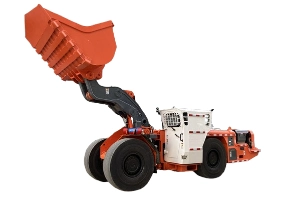
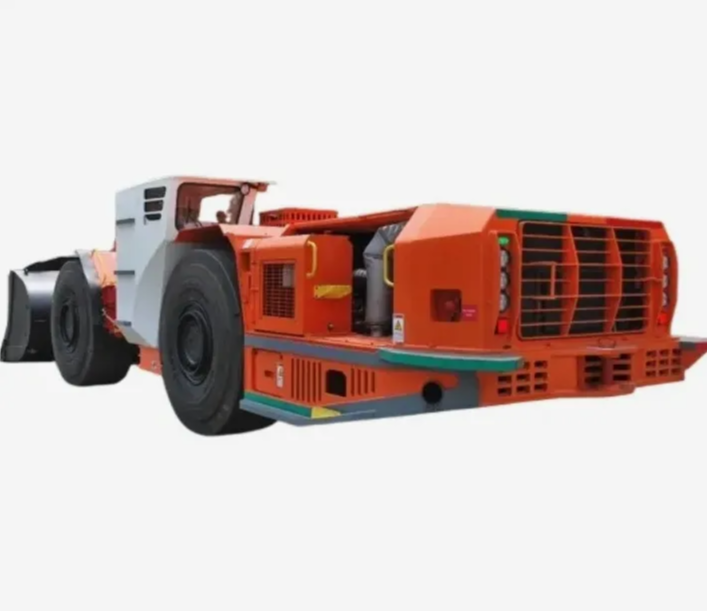
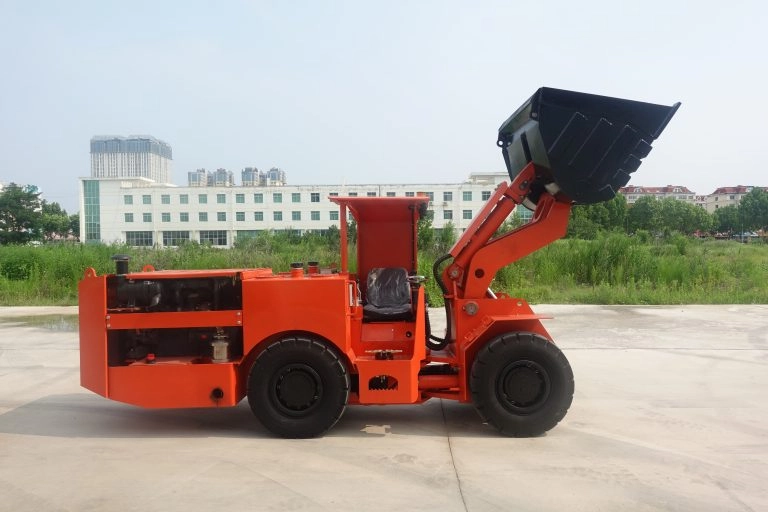
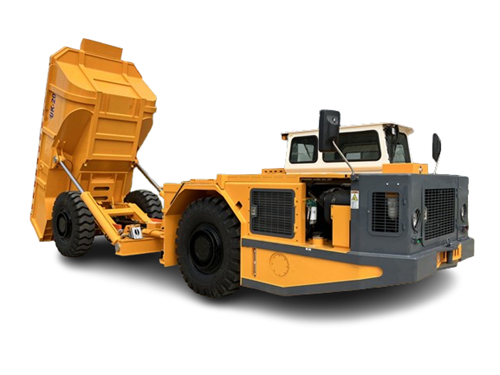
In the tough world of underground mining, scooptrams keep things moving by hauling ore and waste through tight tunnels. But like any heavy machine, they run into snags that can slow down operations. This post dives into common problems miners face when using underground scooptram gear and lays out straightforward ways to solve them. Whether you’re running a narrow-vein site or a bigger setup, spotting these issues early saves time and cash. Check out our range of reliable equipment at underground scooptram category y full product lineup to see how solid design cuts down on downtime.
Spotting the Main Trouble Spots
Underground scooptrams handle rough conditions—dust, water, and constant loads. These factors lead to breakdowns if not caught soon. Knowing the signs helps crews stay ahead. From hydraulic glitches to tire troubles, here’s a breakdown of what often goes wrong.
Hydraulic System Leaks and Pressure Drops
Hydraulics power the bucket and steering in scooptrams. Leaks show up as wet spots under the machine or sluggish movements. In one metal mine case, a team lost 20% of daily output because low pressure made loading take twice as long.
To fix this, start with daily visual checks. Look for cracked hoses or loose fittings before shifts. Replace worn seals right away—stats from mining ops show this cuts leaks by 40%. If pressure dips, bleed the system to remove air pockets. For stubborn cases, test with a gauge; readings below spec mean a pump rebuild. Keep fluid levels topped and filters clean to avoid bigger headaches.
Moving from hydraulics, power issues often tie into how the machine runs overall. Engines bear the brunt in dark, confined spaces.
Engine Overheating in Tight Tunnels
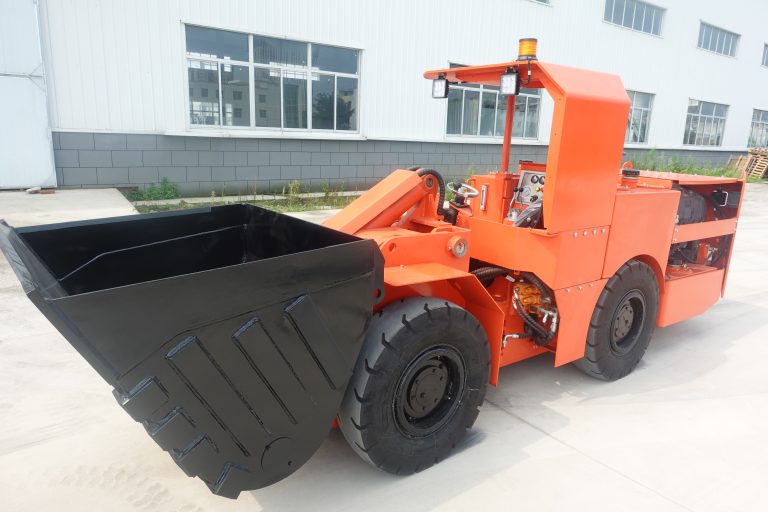
Engines in scooptrams push hard against loads, but poor airflow underground ramps up heat. Overheating hits when coolant runs low or radiators clog with dust. A gold mine report noted machines shutting down after 4 hours, slashing shift efficiency.
Cool it down by flushing the radiator every 500 hours. Use the right coolant mix—50/50 with water—to handle temps up to 100°C. Check belts for wear; a snapped one spikes heat fast. In hot spots, add extra fans or schedule breaks to let the engine breathe. This approach has kept fleets running 30% longer in similar sites.
Beyond the engine, wheels take a beating from rocky floors. Tires link directly to safe handling.
Excessive Tire Wear and Punctures
Tires on scooptrams grind against sharp rocks, leading to flats or uneven tread. Punctures happen quick in wet tunnels, and worn tires slip, risking tip-overs. Data from coal operations reveal tire costs eat up 15% of maintenance budgets.
Swap to tougher compounds rated for underground use. Rotate tires every 250 hours to even out wear. Fill with foam for puncture-proofing in rough areas—it adds weight but boosts life by 50%. Watch inflation; under 80 psi causes sidewalls to fail. Clean debris daily to prevent buildup.
These tire fixes lead into braking woes, where stopping power matters most in slopes.
Brake Failure or Inconsistent Stopping
Brakes fade from fluid contamination or worn pads in damp environments. Sudden stops feel spongy, or the machine drifts on inclines. In a tunnel project, weak brakes caused a 2-day halt after a minor collision.
Bleed lines quarterly to purge moisture. Inspect pads for thickness—replace at 3mm left. Use dry air to blow out dust from calipers. For hydraulic brakes, test master cylinder pressure; drops signal a rebuild. Training crews on gradual braking extends life and prevents accidents.
Electrical glitches round out the list, often hidden until they strike.
Electrical Short Circuits and Battery Drain
Wiring frays from vibrations, causing shorts that kill lights or starters. Batteries drain fast in cold tunnels. A survey of 50 sites found electrics behind 25% of breakdowns.
Secure all connections with tape or clamps. Test voltage daily—below 12V means charge or replace. Clean terminals to fight corrosion from mine acids. For complex faults, trace with a multimeter; bad grounds often mimic bigger problems. This keeps lights on and starters turning.
Preventive Steps to Keep Things Running Smooth
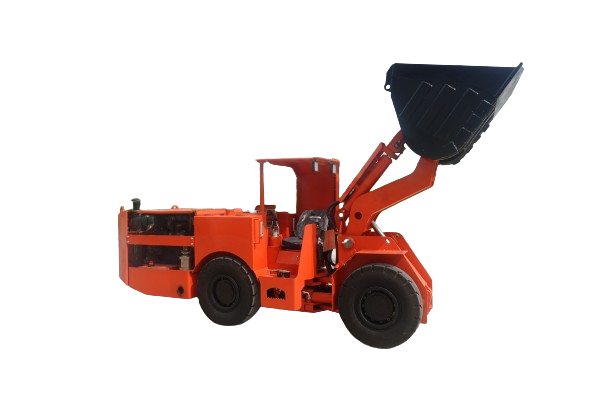
Addressing issues one by one works, but a full plan stops them from starting. Daily logs track patterns, like when leaks spike after wet shifts.
- Set up checklists: Fluid levels, tire pressure, brake tests—do them pre-shift.
- Train on basics: Show crews how to spot wear without tools.
- Stock spares: Hoses, filters, pads—have them onsite to cut wait times.
A table sums up check frequencies:
| Componente | Daily Check | Weekly Inspection | Monthly Overhaul |
| Hydraulics | Visual for leaks | Pressure test | Filter change |
| Motor | Coolant level | Belt tension | Flush system |
| Tires | Inflation and tread | Rotación | Alignment |
| Brakes | Pedal feel | Pad thickness | Fluid bleed |
| Electrics | Battery voltage | Wire inspection | Terminal clean |
This setup has helped mines drop downtime by 35%. Now, linking back to reliable suppliers makes a difference.
Acerca de Yantai Chi Hong Machinery Co., Ltd.
Yantai Chi Hong Machinery Co., Ltd. stands out as a key supplier of underground scooptrams and related mining gear. Based in Yantai, China, the company focuses on building machines that handle narrow tunnels with ease. With certifications like ISO 9001 and EU CE, they emphasize safe, efficient designs that cut costs and boost output. Their team delivers high-quality products backed by strong service, helping miners worldwide tackle daily challenges. Learn more about their story at company about page.
Conclusión
Dealing with common problems in using underground scooptram doesn’t have to derail your operation. By catching leaks, heat, wear, brake slips, and electrical faults early, teams maintain steady flow. These fixes, drawn from real mine experiences, build reliability and safety. In the end, smart habits turn potential stops into smooth runs, keeping productivity high.
Preguntas frecuentes
What are the most frequent common problems when using underground scooptram?
Hydraulic leaks top the list, followed by engine overheating and tire punctures. These stem from harsh conditions but get fixed with regular checks.
How can I solve hydraulic issues in my underground scooptram?
Start with daily inspections for cracks. Replace seals and bleed air from lines. This keeps pressure steady and prevents slowdowns.
Why does my underground scooptram overheat, and how to solve it?
Dust clogs radiators in tight spaces. Flush every 500 hours and use proper coolant. Adding fans helps in hot areas.
Qué steps prevent tire wear when using underground scooptram?
Rotate tires often and use foam fills. Keep inflation right to avoid slips on rocks.
Cómo do I handle brake problems in underground scooptrams?
Bleed moisture quarterly and check pads. Training on smooth stops extends life.
For more on tough, dependable machines, visit our main site.

 Spanish
  English
  Chinese
  Russian