



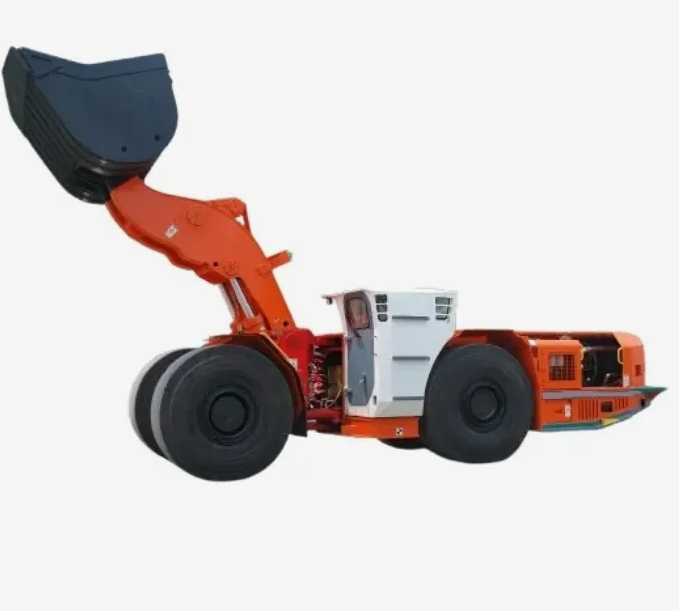
When you plan for underground mining jobs, one big buy is underground scooptrams. These tools handle heavy loads and moving tasks in deep spots. Many types and choices exist out there. So, picking the right one gets tough. To check cost-effectiveness and long-term return on investment (ROI) of an underground scooptram, you need to think about things like budget setup, actual work spots, full life costs, and leftover worth. This guide helps mining firms get main ideas on how to look at these points. It makes sure they pick smart.
Understanding the Importance of Choosing the Right Underground Scooptram
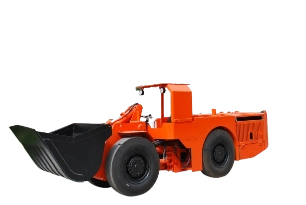
An underground scooptram helps boost output in underground mining jobs. These tools move dug stuff. They give a quick way for loading and unloading in tight, hard spots. Scooptrams work in rough places. So, their steady work and strength matter for safe, smooth runs.
The upfront cash needed is big. Firms should look past just the buy price. They need to think about running costs, fix needs, and sell-back worth over the tool’s life.
Key Factors to Consider When Purchasing an Underground Scooptram
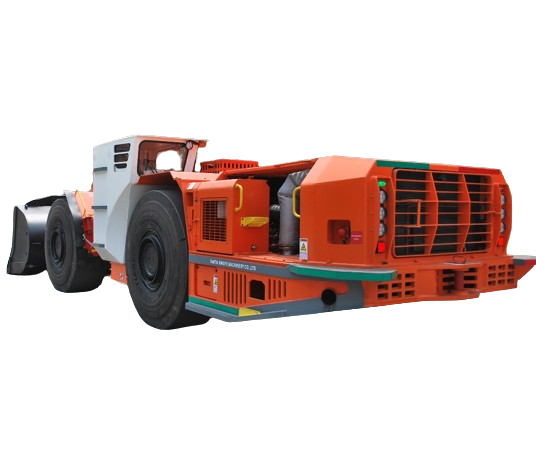
Many things play into buying an underground scooptram. You need to weigh them all for a good fit. Here, we break down the main ones to guide your choice.
1. Budget Planning: Initial Investment vs. Long-Term Costs
The first move in buying an chaqueta subterránea is to set a clear budget. The start cost of the scooptram matters. But it should not be the only thing in your choice. Often, firms hunt for the cheapest upfront price. They skip thinking about future spends on fixes, runs, and fuel use.
- Upfront Cost: The start buy price of a scooptram comes from the maker, add-ons, and lift power. A cheap tool might look good at first. But it could bring higher fix costs later. Plus, how tough and quick the tool is will shape its full worth.
- Long-Term Operating Costs: Past the start buy, firms should figure ongoing run costs. These cover fuel use, worker pay, fixes, and part swaps. Tools with better fuel save, new parts, and easy fix setups cost less over time. They make a smarter buy in the end.
2. Real-World Operational Conditions: Matching the Scooptram to Your Mining Environment
Underground mining spots change a lot by site and job. You must pick a scooptram that deals with your mine’s tough parts. Some main points that shape the tool’s work in these spots include:
- Tunnel Size and Layout: For slim tunnels, a small underground scooptram fits better. These tools turn easy in close areas. They allow quicker haul and move jobs. But bigger tunnels might need scooptrams with more hold. These can take bigger loads. Yet they still keep good turns.
- Material Handling Capacity: Scooptrams give different hold levels. Based on the stuff moved, like coal, ore, or junk rock, pick a tool with right load power. This makes sure it handles mine needs well. It avoids overwork on the setup.
- Power and Durability: Deep spots are rough and hard to guess. So, toughness and strength are must-haves. You can get electric or diesel underground scooptrams. Each has good and bad sides. Diesel ones often give more power for heavy jobs. But they might need extra fixes. Electric scooptrams help the earth more. They save energy too. Yet they may lack the same strength as diesel types.
3. Lifecycle Cost Comparison: Calculating Total Cost of Ownership (TCO)
One key part in checking cost-effectiveness of an underground scooptram is figuring Total Cost of Ownership (TCO). The TCO covers all spends tied to owning and running the tool over its full life. This goes from buy to toss. This math gives a true look at the tool’s long worth.
Some main parts to think in the TCO math include:
- Initial Purchase Price: The upfront cost of the scooptram. This adds any extra traits, hooks, or setups needed.
- Maintenance and Repairs: The steady fixes to keep the scooptram in top shape. This covers stop-ahead steps, mends, and part changes. Good tools from trusted makers often have longer promise times. They cut fix costs.
- Fuel and Energy Consumption: For diesel tools, fuel save plays a big role in run costs. Electric scooptrams give lower run spends. But they might need charge setups. These add to start buys.
- Operator Costs: The worker spends tied to running the scooptram. This covers pay, teaching, and any stop time from breaks.
- Depreciation and Resale Value: Like any heavy gear, scooptrams lose worth over time. But the sell-back price can matter in figuring long costs. A well-kept scooptram from a good maker holds worth better than a cheap one. It gives higher sell price at life end.
4. Residual Value: How Well Does the Scooptram Hold Its Value?
The leftover worth of a scooptram means its guessed price at life end or resell. Pick a tool that keeps worth over time. This shapes full ROI.
- Brand Reputation and Quality: Scooptrams from known makers built to last hold worth better than cheap ones. These tools often have better help, spare parts, and longer run times.
- Condition and Maintenance: A tool kept well has higher resell price than one ignored. Steady service, good clean, and quick fix of small issues stretch the scooptram’s life. They boost its leftover worth.
- Market Demand: The want for used scooptrams changes with trends, new tech, and buyer needs. Tools with wide use, steady work, and low run costs draw more buyers. They ensure higher resell price.
Acerca de Yantai Chi Hong Machinery Co., Ltd.
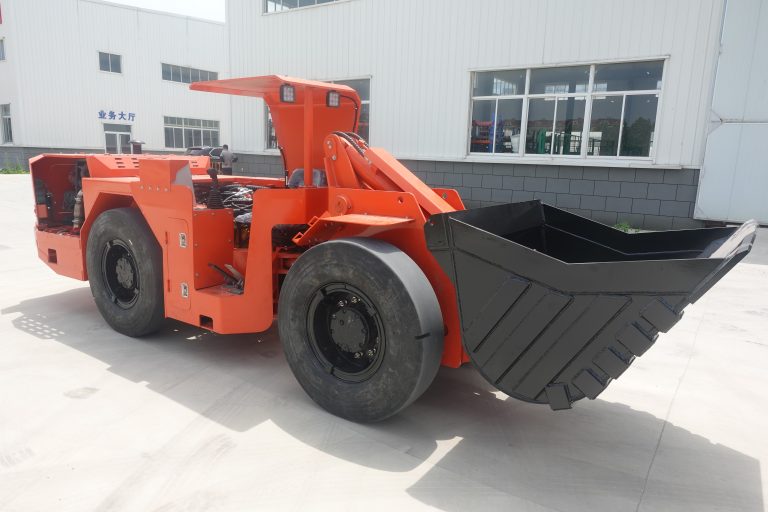
Yantai Chi Hong Machinery Co., Ltd. leads in underground mining gear. It focuses on top underground scooptrams and other mine rides. With drive for new ideas and steady work, Chi Hong Machinery gives full fixes for deep mining jobs. It helps firms boost quick runs and cash gain. The firm’s goods come with pro help and back-up. This makes them a go-to pal for mining firms around the world.
Conclusion: Making the Best Choice for Your Mining Operation
Buying an underground scooptram is a big spend. It needs careful look at many points. To get top bang for buck, check the tool’s full own cost. See how it runs in your mine spots. Think about its long toughness and leftover worth. Do a full good-bad check. Pick a scooptram that fits your cash and job needs. This makes sure your buy gives strong payback over its life.
Preguntas frecuentes
What factors should I consider when purchasing an underground scooptram?
Key factors to consider include budget planning, operational conditions, machine capacity, maintenance costs, and long-term ROI.
How can I calculate the total cost of ownership (TCO) of a scooptram?
TCO includes initial purchase price, maintenance and repair costs, fuel or energy consumption, operator costs, and depreciation.
How do I determine if an underground scooptram is a good investment?
A good investment balances upfront cost with long-term operating and maintenance costs, while also retaining its value through its lifecycle.
What is the expected lifespan of an underground scooptram?
The lifespan of a scooptram depends on factors such as usage frequency, maintenance, and the operating environment. Typically, well-maintained scooptrams can last over 10 years.
How can I ensure my scooptram retains its value?
Regular maintenance, proper care, and purchasing from reputable manufacturers can help ensure that your chaqueta holds its value over time.


 Spanish
  English
  Chinese
  Russian