



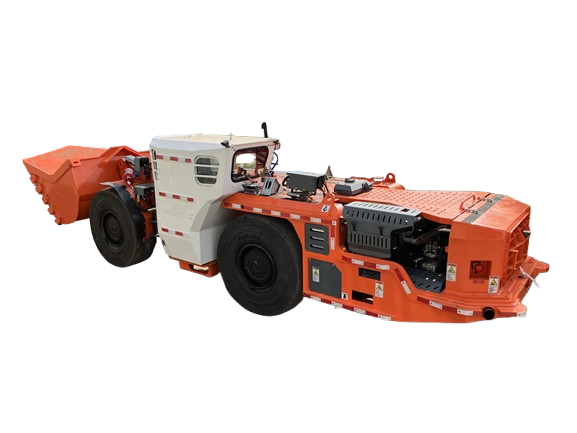
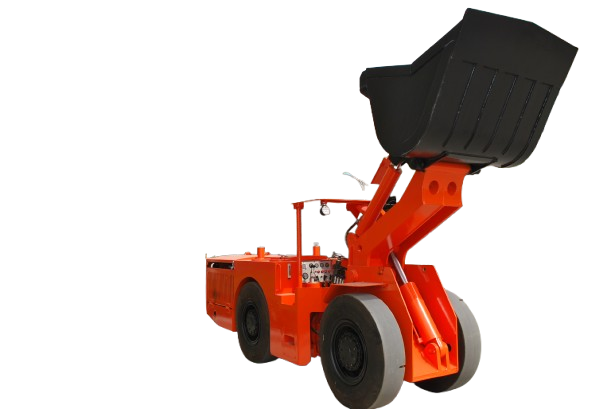
Keeping underground scooptrams in good shape matters a lot. It helps your mining machines stay safe for everyone. The equipment works much better this way. Plus, the scooptrams last longer before they wear out. These machines do heavy work in underground mining spots. They haul material out from tunnels and up to the surface. Still, they are like every other big machine out there. They need steady care to run right. This care stops sudden stops in your work. The guide here gives you a complete list of steps to follow. It shares what you need to know so you can look after your scooptrams well. In the end, you will see the best results from them every day.
Why Regular Scooptram Maintenance Is Key
The underground scooptram does some of the toughest jobs in any mining setup. It runs in rough areas full of wet air, dust, and big loads all the time. Steady care cuts down on future trouble. That trouble could mean big fixes and hours of lost work. So here is why this kind of care really counts.
It puts safety first every time. A scooptram that skips good care can create real risks on the job. You might see brake failure or electrical trouble or even breaks in the main frame. It helps keep costs down too. Preventive care stops those major repairs from happening. Big repairs cost plenty of money and eat up too much time. It makes your equipment last longer. Solid upkeep lets the scooptrams stay useful for extra years. You get more value back from the money you spent at the start.
This kind of care also makes sure the machines follow all safety rules and work standards. It protects your whole team. And it keeps your mining operation on the right side of the rules.
Daily checks start everything off right. They spot little issues before they turn big. Now let us move on to the weekly steps. These build on the daily work and make the scooptram stronger for the long run.
Daily Maintenance Checklist for Underground Scooptrams
You should start every shift with a close look at the scooptram. This simple step keeps operations running smooth without any hitches. Here is the list of key daily tasks you need to finish.
Visual Inspections
Check the body and chassis first. Look for any damage you can spot right away. Dents or cracks may have come from normal use. Make sure no parts hang loose. Nothing should be fastened in the wrong spot. Next, inspect the tires carefully. Search for any wear or damage that could mess up your grip or make driving unsafe. Always check that the tire pressure sits at the right level. Test the lights and signals after that. Confirm all lights work fine, from headlights to brake lights. Do not forget to try the emergency signals too.
Fluid and Hydraulic Systems
Look at the hydraulic oil levels now. Make sure you see no leaks in the lines or cylinders anywhere. Low levels can lead to weak performance or real damage later. Keep an eye on engine oil as well. Check the levels and hunt for leaks. Change the oil when it is time so you avoid harm to the engine. Check the coolant levels last of all. Keep them exactly where they should be to stop the machine from getting too hot while it runs.
Electrical Systems
Examine the battery and its terminals. Test the charge and look for any corrosion or spots that feel loose. Tighten them or clean them if you need to. Test the control panel next. Make sure every gauge and warning light does its job properly.
These daily steps keep things safe right from the start of each shift. But you still need to go deeper once a week. This next level adds strength and helps the scooptram hold up over months and years.
Weekly Maintenance Checklist
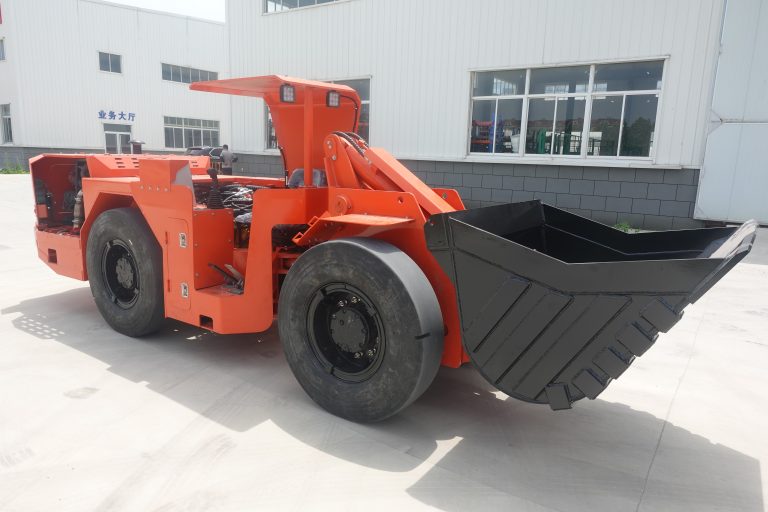
Daily care takes care of the quick needs you face each day. Weekly care adds extra support and boosts long-term performance at the same time. Here is exactly what you should check every week to stay on track.
Lubrication and Greasing
Focus on lubrication right away. Make sure every moving part gets plenty of grease. This action stops extra wear on the joints and pivot points. It also protects any area that moves a lot during work. Grease the fittings next in line. Put it on parts such as the lift arms, the steering setup, and the bucket too.
Brake System
Inspect the brake pads and shoes now. Look closely for any wear or damage that shows up. Replace the worn parts so the scooptram can stop fast if an emergency hits. Test the hydraulic brakes after that. Confirm they react well and do the job they are supposed to do.
Transmission and Powertrain
Check the fluid levels inside the transmission. Low fluid often causes slipping or slow shifts. It can also lead to early wear on the parts. Inspect the transmission itself. Hunt for leaks or strange sounds that might point to bigger trouble ahead.
Weekly tasks give you a strong base to work from. After you finish them, it is time for monthly work. This deeper care looks at the major systems and keeps the whole machine in top form.
Monthly and Planned Maintenance
You need full checks once a month for complete upkeep. This level takes a close look at all the main parts. It makes sure the scooptram runs at its very best. Here is what should go into your monthly routine so nothing gets missed.
Engine and Transmission Check
Change the engine oil, the filters, and the transmission fluid on a set schedule. This stops thick sludge from building up inside. It also keeps everything moving smoothly without extra effort. Clean or replace the air filters too. Fresh airflow helps the engine do its work the right way every time.
Electrical and Hydraulics Systems
Inspect all the electrical wiring and connections carefully. Search for wear, damage, or any marks from too much heat. Replace any cables that look cracked or worn out. Check the hydraulic hoses at the same time. Look for wear or leaks and change the bad ones right away. This quick swap avoids a full system failure down the road.
Tire Inspection
Measure the tread depth on every tire. Enough tread gives the scooptram the grip it needs for safe operation in tough spots. Check the wheel alignment now. Good alignment stops uneven wear and keeps steering problems from starting.
Monthly work covers plenty of important ground. Even so, a few issues can still appear from time to time. Knowing how to catch and fix them fast saves you money and keeps the team safe.
Common Scooptram Problems and Troubleshooting Tips
Even when you stick to steady maintenance, underground scooptrams can run into common issues. Spotting them early and fixing them quick cuts down on expensive downtime. It also raises safety for everyone around. Here are the main problems you might see and what to do about them.
Overheating Engine
Low coolant levels often start this problem. A clogged radiator can cause it too. Sometimes a bad thermostat is the real reason. Check the coolant levels first thing. Clean the radiator if dirt has built up inside. Replace any cooling parts that look damaged so the issue goes away.
Hydraulic System Failures
Leaks in the lines create a lot of trouble. Dirty fluid makes things worse. Faulty valves can add to the mess as well. Look over the hoses and the whole system for leaks. Swap out worn parts and change the fluid when it needs it.
Brake Issues
Worn brake pads show up often as the cause. Low hydraulic pressure can play a part in it too. Test the brakes on a regular basis. Replace any worn parts and keep the hydraulic fluid at the correct level.
Electrical Failures
Corroded battery terminals start many of these problems. Loose wiring or blown fuses make them worse. Clean the terminals carefully and tighten every wire you see. Replace any damaged wiring or fuses without waiting.
These fixes stay simple when you stay alert to the signs. The right tools make every job faster and easier.
Tools and Equipment for Effective Maintenance
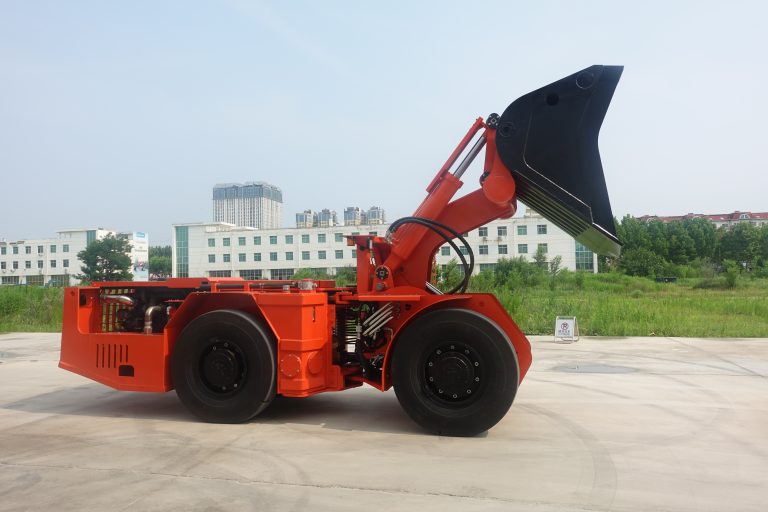
The right tools help you care for scooptrams without wasting time or effort. They make each task more accurate and quick to finish. Here is the list of items you should keep close by.
- Hydraulic pressure testers let you measure the force in the systems.
- Lubrication equipment helps you put grease and oil exactly where it belongs.
- Diagnostic tools find electrical or mechanical trouble in a hurry.
- Tire pressure gauges make sure tires stay at the correct setting.
- Wrenches and torque tools let you tighten bolts and connections the proper way.
With these tools on hand, your maintenance runs without any extra hassle. Safety must stay the main focus during every check or repair you do.
Safety Best Practices for Scooptram Maintenance
You must always keep safety at the top when you work on scooptrams. Follow these easy rules every single time so no one gets hurt.
- Use lockout and tagout steps without fail. Shut off all equipment and lock it out before you begin. This stops any surprise starts that could cause injury.
- Wear the right personal protective equipment. Gloves, goggles, and hearing protection keep you safe from harm.
- Keep the work area clean and clear. Take away any obstacles and add strong lighting for every inspection and repair.
These habits protect you and the rest of your team.
Yantai Chi Hong Machinery Co., Ltd.: Your Trusted Scooptram Supplier
Yantai Chi Hong Machinery Co., Ltd. works as a leading supplier of underground scooptrams. The company puts real effort into giving you high-quality and dependable mining equipment. With many years spent on manufacturing and service, they understand exactly what mining operations need. Their scooptrams use the newest technology to improve performance and safety on the job. They also offer full maintenance services that help your equipment last longer and run better.
If you want extra details about their products or any help at all, visit the website or reach out to them directly.
Заключение
Routine care stands as a must for underground scooptrams. It gives you the best performance and keeps safety high for everyone. Follow the checklists you found in this guide. You will cut down on lost time and raise how well things run. You will also make your mining equipment last much longer than before. Remember that daily looks, weekly greasing, and monthly system checks form the basic steps. Strong upkeep does more than just keep operations moving along. It makes the whole job site safer for every worker involved.
Часто задаваемые вопросы
Q1: How often should I check my scooptram’s hydraulic system?
You should look at the hydraulic system every day. Check for leaks and fluid levels during that quick review. Then do a fuller inspection each week or month. Base the exact schedule on how busy your operation stays.
Q2: What are some common issues with underground scooptrams?
Overheating engines show up often. Hydraulic system failures happen too. Brake problems come up as another frequent issue. Steady maintenance helps you avoid or fix these before they grow bigger.
Q3: Why is lubrication important in scooptram maintenance?
Lubrication cuts down friction between moving parts. It stops extra wear and tear from building up. In the end, it helps the scooptram last longer on the job.
Q4: Can I perform maintenance on scooptrams myself?
You can handle basic tasks like daily inspections and greasing. Operators do these steps all the time. But complex jobs need trained professionals to do them right.
Q5: How do I know when to replace the brake pads on my scooptram?
Check the thickness against the maker’s minimum mark. Replace them if they get too thin. A drop in braking power is another clear sign that it is time to change them.

 Russian
  English
  Chinese
  Spanish