




If you’re in the mining business, finding the right underground scooptram can make all the difference in daily operations. These machines handle tough jobs underground, moving ore and waste efficiently. Start by checking out reliable sources like our product category to see what’s available. This guide breaks down everything from key features to cost factors, helping you pick a machine that fits your site.
What Is an Underground Scooptram?
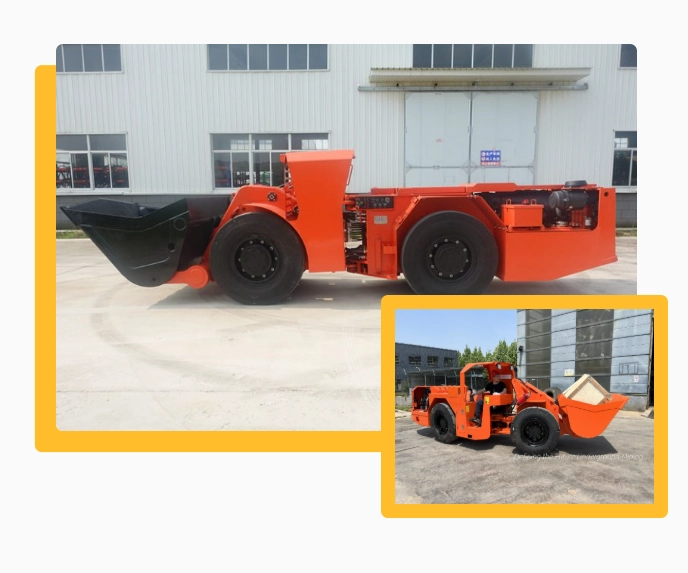
An underground scooptram, often called an LHD loader, hauls material in tight spaces below ground. It scoops up rock, loads it into a bucket, and transports it short distances. Mines rely on them for quick cycles in narrow tunnels.
These loaders come in various sizes. Smaller ones work well in confined areas, while larger models tackle bigger loads. Picture a vein only a few meters wide— a compact loader navigates there without trouble, keeping production steady.
Key Factors to Consider When Buying
Before diving into specs, think about your mine’s setup. Tunnel dimensions, ore type, and daily output all play a role. A mismatch leads to downtime or extra costs.
Capacity and Size
Bucket capacity matters most. Look for options from 0.6 cubic meters up to 6 cubic meters. A 1 cubic meter bucket suits small operations hauling 1.2 metric tons per load. In larger setups, aim for 4 cubic meters to move 10 metric tons at once.
Dimensions count too. Length, width, and height must fit your tunnels. For example, a machine measuring 5 meters long by 1.15 meters wide turns sharply in narrow veins, with inner radii around 2.5 meters. Tight spaces demand small turning radii to avoid constant maneuvering.
Check operating weight. Lighter models, say 4,600 kg, cut fuel use and tire wear. Heavier ones, up to 38,400 kg, offer more power but need stronger ground support.
Power and Performance
Engine power drives efficiency. Outputs range from 58 kW for compact units to 256 kW for heavy-duty ones. Higher power means better shovel force—up to 220 kN—and traction, reaching 276 kN. That translates to faster bucket filling in hard rock.
Traction and shovel force handle slopes and sticky material. In wet conditions, strong traction prevents slips, keeping cycles under 30 seconds per load.
Low-emission engines cut pollution underground. They meet strict standards, improving air quality for workers.
Особенности безопасности
Safety comes first in mining. Certified canopies protect against falling rocks. Enclosed cabins shield from dust and noise.
Control systems monitor vitals like oil pressure and temperature, alerting to issues early. Ground-level access for checks reduces risks—no climbing high for oil changes.
In one case, a mine cut accidents by 20% after switching to loaders with better ergonomics. Operators sit comfortably, reducing fatigue over long shifts.
Types of Underground Scooptrams
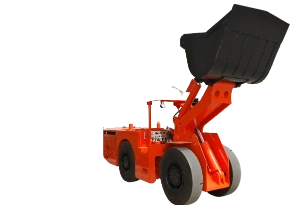
Different mines need different loaders. Narrow-vein types focus on agility, while production models emphasize speed.
Compact designs shine in tight spots. They feature low profiles and sharp turns, ideal for veins under 2 meters wide.
Larger versions boost output in open areas. With bigger buckets, they clear headings fast, shortening cycles.
Some use hydrostatic drives for smooth control, others torque converters for power bursts. Pick based on your rock hardness—softer ore needs less force.
Cost Considerations and ROI
Prices vary with size and features. Entry-level underground scooptram for sale starts around tens of thousands, while advanced ones hit six figures. Factor in fuel, tires, and parts.
Calculate ROI by loads per day. A machine hauling 14 metric tons pays back quicker in high-volume sites. Fuel savings from efficient engines add up—up to 15% less consumption.
Maintenance costs drop with easy access designs. Daily checks take minutes, not hours. Over a year, that saves thousands in labor.
Long-term, look at lifecycle. Durable axles and brakes last longer, cutting replacements. Mines report 10,000-hour runtimes before major overhauls.
Техническое обслуживание и поддержка
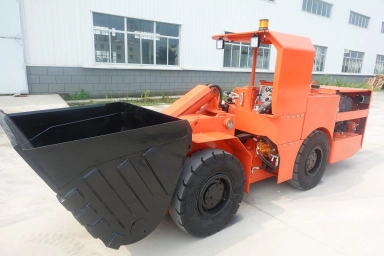
Regular upkeep keeps loaders running. Focus on ground-level points for fluids and filters.
Choose suppliers with strong after-sales. Quick parts delivery minimizes downtime. Training programs teach operators proper use, extending machine life.
In remote sites, on-site service makes sense. Teams arrive within days, fixing issues fast.
Воздействие на окружающую среду
Modern underground mining equipment prioritizes sustainability. Low-emission tech reduces exhaust, vital in enclosed spaces.
Energy-efficient drives cut power use. Some models integrate automation for precise loads, wasting less fuel.
Mines adopting these see better compliance with regs, avoiding fines. Cleaner air boosts worker health too.
Meet Yantai Chi Hong Machinery Co., Ltd.
Yantai Chi Hong Machinery Co., Ltd. stands out as a key underground scooptram supplier. Based in Yantai City, China, this company has built a solid reputation over 12 years. It manufactures loaders, trucks, and drill rigs, holding certifications like ISO 9001 and EU CE. With a 96,000 square meter base and over 300 staff, it focuses on safe, efficient designs that lower costs and improve mine environments.
Заключение
Picking the right underground scooptram boosts your operation’s efficiency and safety. Weigh capacity, power, and costs against your needs. A well-chosen machine cuts downtime and raises output. For more details, explore our products or learn about us. Ready to move forward? Visit our site today.
Часто задаваемые вопросы
What should I look for in an подземный трамвай for narrow-vein mining?
Focus on compact size and tight turning radii. Machines with widths under 1.5 meters and inner radii around 2.4 meters navigate tight spots well. Add safety features like certified canopies for protection.
How does engine power affect подземный трамвай performance?
Higher power, say 120 kW or more, increases shovel force and traction. This speeds up loading in tough rock, cutting cycle times. It also handles steep inclines better, improving overall haul rates.
What’s the typical cost range for a buy underground loader?
Costs start from $50,000 for small units and go up to $300,000 for larger ones. Include extras like cabins or controls. ROI comes from fuel savings and reduced maintenance.
Are there eco-friendly options in подземное горнодобывающее оборудование?
Yes, low-emission engines reduce pollution. Efficient designs cut fuel by 10-15%. Automation options minimize waste, supporting sustainable practices.
How to maintain an подземный трамвай for long life?
Perform daily ground-level checks on fluids and tires. Schedule major services every 2,000 hours. Use genuine parts to avoid breakdowns. Training helps operators spot issues early.


 Russian
  English
  Chinese
  Spanish