



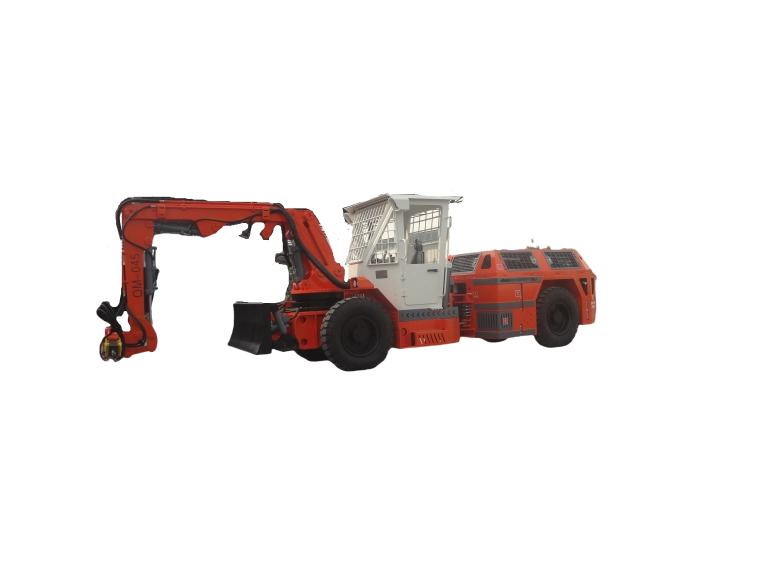
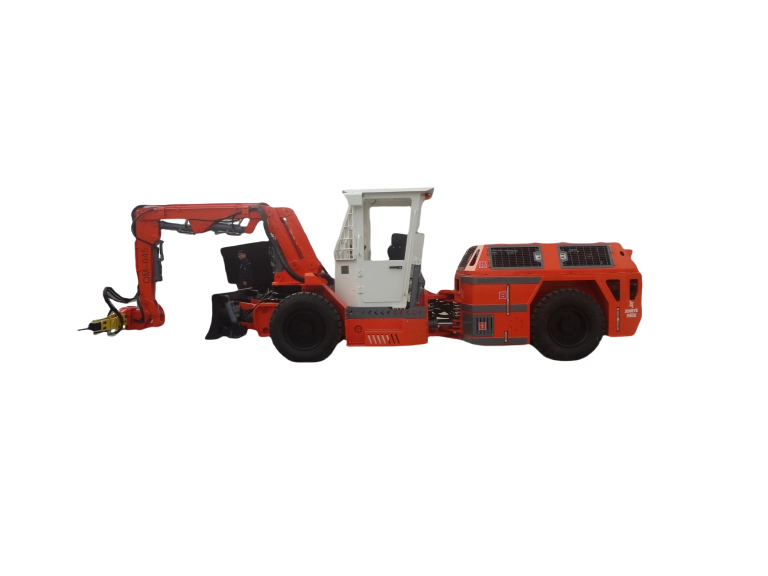
 Underground pick scalers are very important machines. They work in mining and tunnel construction. Their main job is to remove loose rock and debris from ceilings and walls. This keeps worksites safe and productive.
The rough conditions where they run include dust, moisture, vibration, and heavy hits. These put nonstop pressure on every part. But with good maintenance practices, these machines can work well for many years. They cut downtime and repair costs a lot. They also protect project schedules and safety.
This article gives useful tips from real field work. The tips help extend the life of your underground pick scaler. It talks about maintenance routines, inspection tips, seasonal care, and operational best practices. The language is clear and easy to use right away. Mining professionals and maintenance teams can follow it without trouble.
Why Routine Maintenance Matters for an Underground Pick Scaler
Underground pick scalers work in tough spots. These spots put extra strain on hydraulics, booms, seals, and structural parts. Every shift exposes the machine to dust getting in, high loads, and constant vibration. This slowly wears down components over time. Without regular care, problems build up fast.
Hydraulic seals may wear out too soon from dust and rough bits. Hoses and fittings can fail if no one checks them often. Grease points can stick and cause faster bearing wear. Structural components can get weak without anyone noticing.
A good maintenance plan does more than stop failures. It makes performance steady. It improves safety on the job. It also lowers the total cost of ownership. It catches small issues before they turn into big repairs.
Establishing a Daily Maintenance Routine
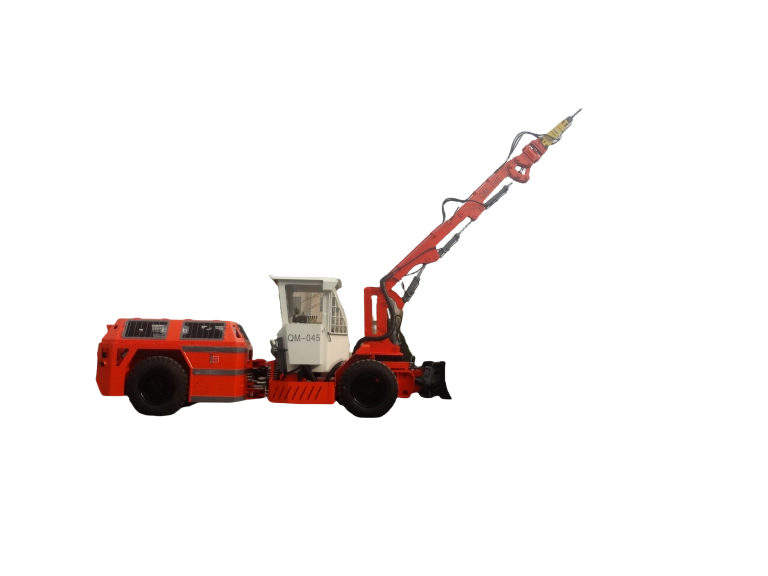 A clear daily routine builds the base for long machine life. These are simple visual and hands-on checks. Operators or technicians can do them at the start and end of each shift.
Visual Inspection
Start each shift with a quick walk-around. Look closely for problems.
Check for visible leaks around hydraulic cylinders and hoses. Look for badly cracked or worn hose jackets. See if nuts and bolts are loose on the boom structure and carrier. Watch for cracks or dents in guards and panels.
Just spotting a small oil leak early can stop a big line break during work. This simple step saves a lot of trouble later.
Greasing and Lubrication
High-impact spots like pivot pins, slew rings, and bearings need fresh grease every day. Do it every few shifts too. It depends on how many hours the machine runs. Dust and grit quickly take lubricant away from surfaces. You must add it back often.
Track and Undercarriage Checks
For tracked units, check tracks for too much slack. Look for missing links or rocks stuck inside. Bad track condition makes rollers and sprockets wear faster. It shortens undercarriage life and uses more fuel.
Boom and Attachment Care
Check the attachment mounting and linkage for any play or misalignment. Loose pins or worn bushings cause poor performance. They also add stress to the boom assembly faster than normal.
Scheduled Inspections to Prevent Surprises
Daily checks are a great start. But you need deeper inspections at set times. Do them every 100 operating hours or once a week. It depends on how hard the machine works.
Hydraulic System
Hydraulics are the lifeblood of your scaler. Check them every 100 hours.
Look at oil level and add more to the right fill point with the right fluid. Inspect all hose connections for early wear or leaks. Replace any hose that shows cracks, blistering, or stiff spots. Examine cylinder rods for scoring or pitting. These can hurt seals.
Clean fluid and tight seals help the system fight heat buildup and dirt.
Filters and Fluids
Hydraulic oil and engine oil filters catch particles. These particles would otherwise move around and damage pumps and valves. Change filters on a written schedule. Do it more often in dusty underground spots.
Dirty fluid ages hoses quickly. It speeds up wear on valves. It leads to failure sooner than it should. Replacing oil and filters at the right times can add thousands of hours to service life.
Bolts and Fasteners
Machines face constant vibration. This makes hardware loosen over time. During your weekly inspections, check all structural bolts. Retorque them to the right spec if needed. Use a torque wrench and follow the pattern in the equipment manual.
Seasonal and Environmental Considerations
Underground conditions change from site to site. Temperature swings, humidity, and water exposure all change what maintenance you need.
Wet or Muddy Conditions
Work in wet and muddy spots speeds up corrosion. It can wash grease out of bearings. In these places, do a few things.
Increase how often you grease points to make up for wash-off. Apply rust-stop sprays to exposed metal areas. Make sure electrical connectors stay sealed against moisture.
Cold Weather
Cold air makes hydraulic fluid thick. It slows lubrication flow. During winter months, follow these steps.
Use the right viscosity fluid for low temperatures. Give the machine warm-up time before you put heavy loads on it. Check battery health more often because cold cuts its power.
Dust and Abrasive Conditions
Fine dust is one of the worst enemies of moving machinery. To cut abrasive wear, try these ideas.
Clean air intake and cooling fins often to keep airflow strong. Replace air filters more than the normal schedule if dust is heavy. Use dust covers on hydraulic and electrical parts where you can.
Component-Specific Care for Long Service Life
A broad plan is good. But paying attention to specific parts gives real results. Here are targeted tips for key wear areas.
Hydraulic Hose and Seal Care
Hydraulic hose leaks cause common downtime. To make hoses last longer, do this.
Pick high-quality hydraulic hose rated for your pressure needs. Use protective sleeves on hoses that face abrasion. Route hoses away from sharp edges and pinch points.
Seals on cylinders wear as they rub against dirty rods. Keep rods clean. Fix any surface damage fast to stop seal failure.
Boom and Structural Points
The boom on your scaler faces huge leverage forces every day. Inspect it for cracks. Pay extra attention near welded joints and high-stress spots. A crack left alone for a few shifts can lead to a big failure. Early detection with visual and touch checks stops costly structural repairs.
Track and Undercarriage
Track tension is important. If it is too loose, the track can jump off. If it is too tight, you stress rollers and bearings. Adjust tension to the range in your service manual. Keep it in that window through the whole life of the machine.
Maintenance Tools and Equipment That Make a Difference
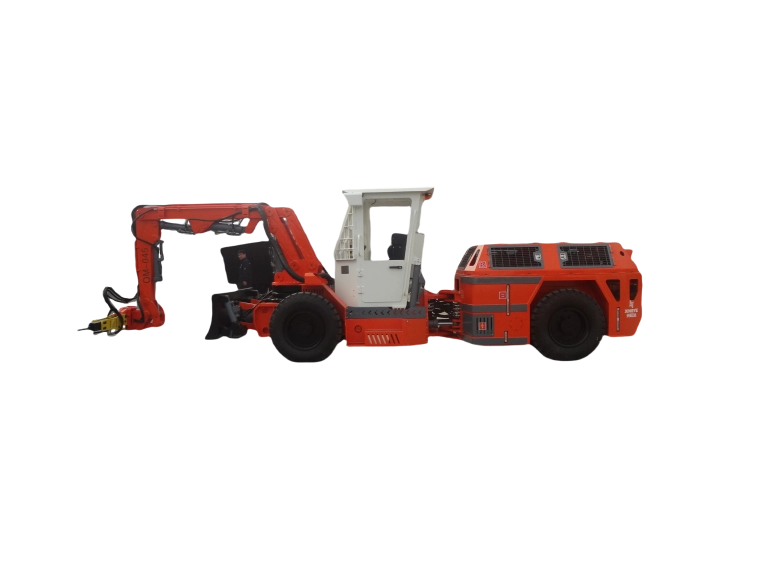
Having the right tools makes checks quick and accurate.
Use torque wrenches that are calibrated. They tighten critical fasteners the correct way. Get grease guns with pressure gauges. They stop over-greasing. Try oil analysis kits. They detect internal wear early by checking particle levels. Use leak detection sprays. They make small fluid leaks easy to see.
Spending money on simple diagnostic tools can save hours of work. It stops hidden issues from growing big.
Why Proactive Maintenance Saves Money
Reactive maintenance means waiting for something to break. It always costs more. Emergency repairs often need parts that cost extra when ordered fast. They cause surprise downtime that slows work. They force crews to run with less power or without key machines. They also lead to extra damage when a bearing fails and hurts nearby parts.
In contrast, planned maintenance lets you do service during off-shift hours. It helps you keep spare parts in line with real needs. It lets you track wear patterns and guess life cycles. It uses past data to make better buying choices later.
The result is fewer surprises, more uptime, and a lower total cost of ownership over the life of your underground pick scaler.
Introducing Yantai Chi Hong Machinery Co., Ltd.
Yantai Chi Hong Machinery Co., Ltd. is one of the known suppliers in the mining equipment field. It offers full underground mining solutions. These include pick scalers built for tough environments. The company has over ten years of experience. It has a large manufacturing base in China. It holds certifications like ISO9001:2015 and EU CE marks.
The company is ready to support long-term operational needs. Its promise includes strong quality control during production. It also gives quick post-sale services. These cover scheduled maintenance guidance and on-site support. Picking a supplier with this level of know-how helps maintenance teams stay ahead of wear and tear.
Conclusion
Extending the life of your underground pick scaler needs more than quick fixes now and then. A steady maintenance schedule based on daily checks, regular inspections, environmental adjustments, and targeted care for weak spots will protect your investment.
These practices lower the chance of sudden failure. They improve safety on site. They help scaling teams keep projects on time. With the right routine and a good equipment partner, your scaler will give years of strong and dependable service.
FAQs About Maintaining an Underground Pick Scaler
What daily checks should be done to maintain an underground pick scaler?
Start each day with a visual inspection of hoses, fittings, grease points, and boom joints. This catches leaks or wear early. Make sure all fluid levels are right before you run the machine.
How often should hydraulic fluids be changed to keep an underground pick scaler running longer?
Hydraulic fluids should be replaced at the machine’s service interval. This is usually every few hundred hours. Do it more often in high-dust or high-temperature spots.
Can proper maintenance improve the safety of an underground pick scaler?
Yes, it can. Keeping seals, bolts, and structural parts in good shape cuts unexpected failures. These failures can put operators and other workers at risk.
What are signs that components on an underground pick scaler need immediate attention?
Unusual noises, visible leaks, overheating, reduced power, or too much vibration are all signs. They mean maintenance or repairs are needed before you use the machine more.
Why does track inspection matter when maintaining an underground pick scaler?
Proper track tension and condition cut wear on rollers and drive sprockets. They stop sudden derailment. They also improve movement in tight underground spaces.


 English
  Chinese
  Russian
  Spanish