



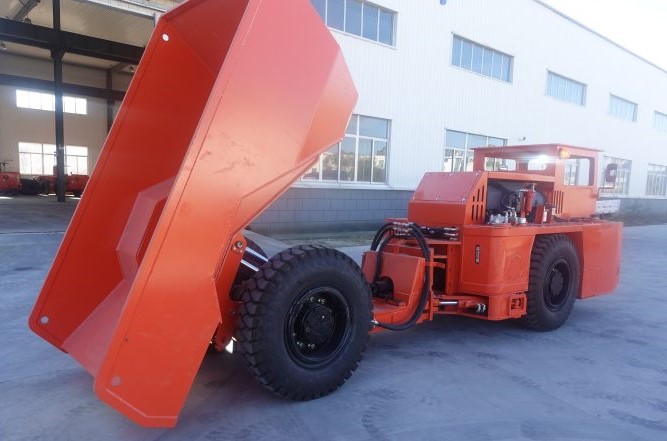
Buying an underground mine truck isn’t just about picking a vehicle. It’s a big decision that shapes how your mining operation runs day to day. These trucks haul ore and waste through tight, dark tunnels. Get it right, and you boost productivity while keeping workers safe. Mess it up, and you face breakdowns, delays, and higher costs. This guide walks you through everything. We’ll cover what to look for, common pitfalls, and tips from the field. Whether you’re new to mining or upgrading your fleet, stick around. You’ll find practical advice to make a smart choice.
Think about your mine’s setup first. Narrow veins? Steep inclines? High humidity? Each factor plays into the truck you need. We’ve drawn from real-world examples where the right truck cut haul times and reduced wear. No fluff here—just solid info to help you decide.
Understanding Underground Mine Trucks
These machines are the backbone of any underground operation. They move heavy loads in spaces where daylight never reaches.
What They Are and Why They Matter
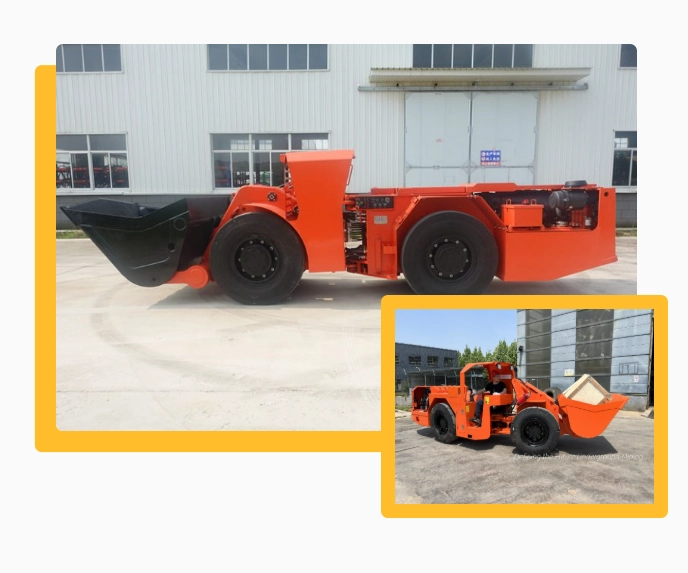
Underground mine trucks are built tough for confined areas. Unlike surface haulers, they squeeze through low ceilings and sharp turns. They carry rock, dirt, and ore from the face to the surface or dump points. Why do they matter? Simple. Efficient hauling means more tons moved per shift. That translates to better profits and less downtime. In a busy mine, a reliable truck keeps the whole chain moving. Imagine stalling in a narrow tunnel—it’s a nightmare for safety and schedule.
Safety comes first in these environments. Poor ventilation and dust make every trip risky. A good truck helps by running smoothly and alerting operators to issues. Plus, they cut fuel use over time, easing your budget.
Key Types Available
You have options based on power source and design. Diesel-powered ones dominate for their torque on steep grades. They handle long hauls without recharging. Electric versions are gaining ground, quieter and with zero emissions underground. They suit mines focused on green practices.
Articulated trucks flex in the middle for better turns in tight spots. Rigid frames offer stability on rough floors. Pick based on your tunnel layout. For example, if your mine has uneven terrain, go for something with strong suspension.
Each type fits different needs. Diesel for power-hungry sites. Electric for cleaner air. Mix and match if your operation varies.
Factors to Consider When Buying
Don’t rush the purchase. Weigh these elements to match the truck to your mine.
Size and Maneuverability
Size matters in underground work. Too big, and it won’t fit your tunnels. Measure your headings—width, height, and turns. Look for trucks with a tight turning radius. They weave through without scraping walls.
Maneuverability keeps things flowing. In a cramped vein, quick turns save time. Test drive if possible. Or simulate your layout. A mismatch here leads to stuck trucks and lost hours.
Payload Capacity
How much can it carry? Capacity affects trips per hour. Higher loads mean fewer runs, saving fuel and tires. But overload risks breakdowns.
Match capacity to your production goals. Small mines might need lighter trucks for quick cycles. Larger ops want heavy haulers. Think about dump height too—does it align with your loaders?
Here’s a quick table to compare capacities:
| Mine Scale | Recommended Capacity | Benefits |
|---|---|---|
| Small | Low to medium | Faster cycles, easier handling |
| Medium | Medium to high | Balanced efficiency |
| Large | High | Fewer trips, higher output |
Use this as a starting point. Adjust for your rock density.
Power and Performance
Power gets you up ramps loaded. Torque handles the pull. Diesel engines shine here, but check fuel efficiency.
Performance ties to terrain. Steep inclines? Need strong brakes and engines. Flat runs? Focus on speed.
Test in similar conditions. A truck that climbs well prevents slips and spills.
Safety Features
No cutting corners on safety. Look for auto-brakes that kick in on hills. Alarms for low air or hot engines. Cab designs that shield from falls.
Remote monitoring lets you track from above ground. It spots issues early. Regulations demand these—meet them to avoid fines.
Bullet points for must-haves:
- Warning systems for hazards
- Sturdy roll cages
- Good lighting and visibility
- Emergency stops
These features save lives and keep ops running.
Maintenance and Longevity
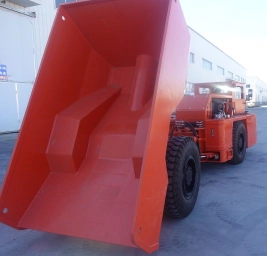
A truck’s life depends on care. Plan for upkeep from day one.
Daily Checks and Servicing
Start each shift with inspections. Check tires, brakes, and fluids. It’s quick but catches problems early.
Servicing varies by use. Light duty? Every two weeks. Heavy? Weekly. Ground-level access makes it easier—no climbing needed.
Regular care extends life to over a decade. Skip it, and repairs pile up.
Spare Parts Availability
Downtime kills profits. Stock common parts like filters and belts. A supplier with quick shipping helps.
Look for consignment options—parts on site, pay when used. This cuts wait times.
Longevity comes from quality builds. Wear-resistant materials fight corrosion. With good parts support, your truck stays in the game longer.
Cost Analysis
Money talks. Look beyond the sticker price.
Upfront vs. Long-Term Costs
Upfront might sting, but cheap trucks break often. Invest in durable ones for savings later.
Factor in fuel, parts, and labor. A fuel-sipper pays off over years.
Depreciation hits too. Good trucks hold value for resale.
Fuel Efficiency and Environmental Impact
Efficient engines use less diesel. That lowers bills and emissions.
Electric options slash fuel costs. They improve air quality underground—big for worker health.
Weigh green tech against setup costs. It might qualify for rebates.
Table for cost breakdown:
| Cost Type | Factors | Impact |
|---|---|---|
| Upfront | Purchase price | Initial hit, but quality lasts |
| Operational | Fuel, maintenance | Daily drain—efficiency key |
| Long-Term | Resale, lifespan | Savings over time |
Balance these for the best deal.
Choosing a Reliable Supplier
Picking the right supplier seals the deal. They back you up long after the sale.
Yantai Chi Hong Machinery Co., Ltd. stands out as a key player in underground mine trucks. With over a decade in the field, they’ve built a solid rep for quality gear. Based in China, they handle everything from design to delivery. Their setup includes a big production space and skilled teams. They turn out trucks in about a month or so after orders. What sets them apart? Strong after-sales—like warranties up to a year or certain hours, plus training and checks. They customize too, fitting trucks to your needs. Reach them easy via phone or email for quotes.
This kind of support builds trust. It lifts your operation’s image and keeps things pro.
Conclusion
Wrapping up, buying an underground mine truck boils down to your mine’s needs. Match size, power, and safety to your setup. Factor in costs and maintenance for the long haul. A solid choice boosts efficiency and safety, setting your team up for success. With the right truck, you move more, spend less, and stay ahead. Now’s the time to act—reach out to suppliers and get quotes.
FAQs
What should I look for in an underground mine truck buying guide?
Focus on size, capacity, and safety. An underground mine truck buying guide helps match features to your tunnels and loads. It covers power for inclines and maintenance tips to avoid downtime.
How does payload affect my choice of underground mine truck?
Higher payload means fewer trips, cutting costs. But pick based on your mine’s scale. Too much capacity in tight spaces can hinder movement.
Are electric underground mine trucks worth it?
Yes, for cleaner air and lower fuel bills. They suit mines pushing green goals, though check charging setup first.
What’s the best way to maintain an underground mine truck?
Daily checks and regular servicing. Follow the underground mine truck buying guide for schedules. Quick parts access keeps it running smooth.
How long do underground mine trucks last?
With good care, 10 to 15 years. Durability depends on materials and use. A solid supplier extends that through support.


 English
  Chinese
  Russian
  Spanish