



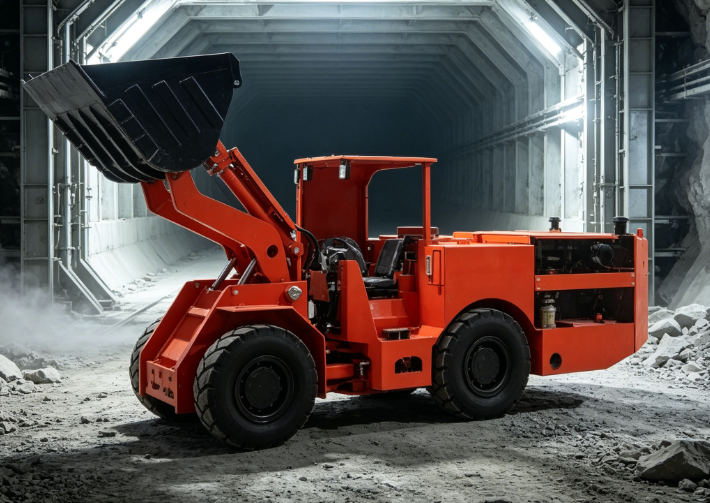
For the mining company focused on extracting smaller, high-grade deposits, the problem of working in narrow tunnels is compounded by the physical constraints of their equipment. Traditional loaders, for example, are not designed for operation in tight spaces. In order to carry out their work safely and efficiently, such a company can rely on the right подземный трамвай to maximize its progress through the tunnel.
The global market for front end loaders of all sizes is growing steadily. As the industry of late is experiencing a move towards ‘selective’ mining in smaller areas with less space, the compact and agile loader is becoming increasingly in demand. For the procurement manager and the mining contractor alike, knowing this trend and the consequent potential for the correct choice of equipment and for optimal returns on a project, can be a great asset.
Market Outlook for Underground Scooptrams Through 2032
Industry reports point to solid growth ahead. The broader underground mining equipment sector is expected to expand at around 5.2% CAGR in the coming years, driven by rising demand for metals and minerals. Narrow vein operations, in particular, benefit from specialized machines that fit tight drifts without sacrificing productivity.
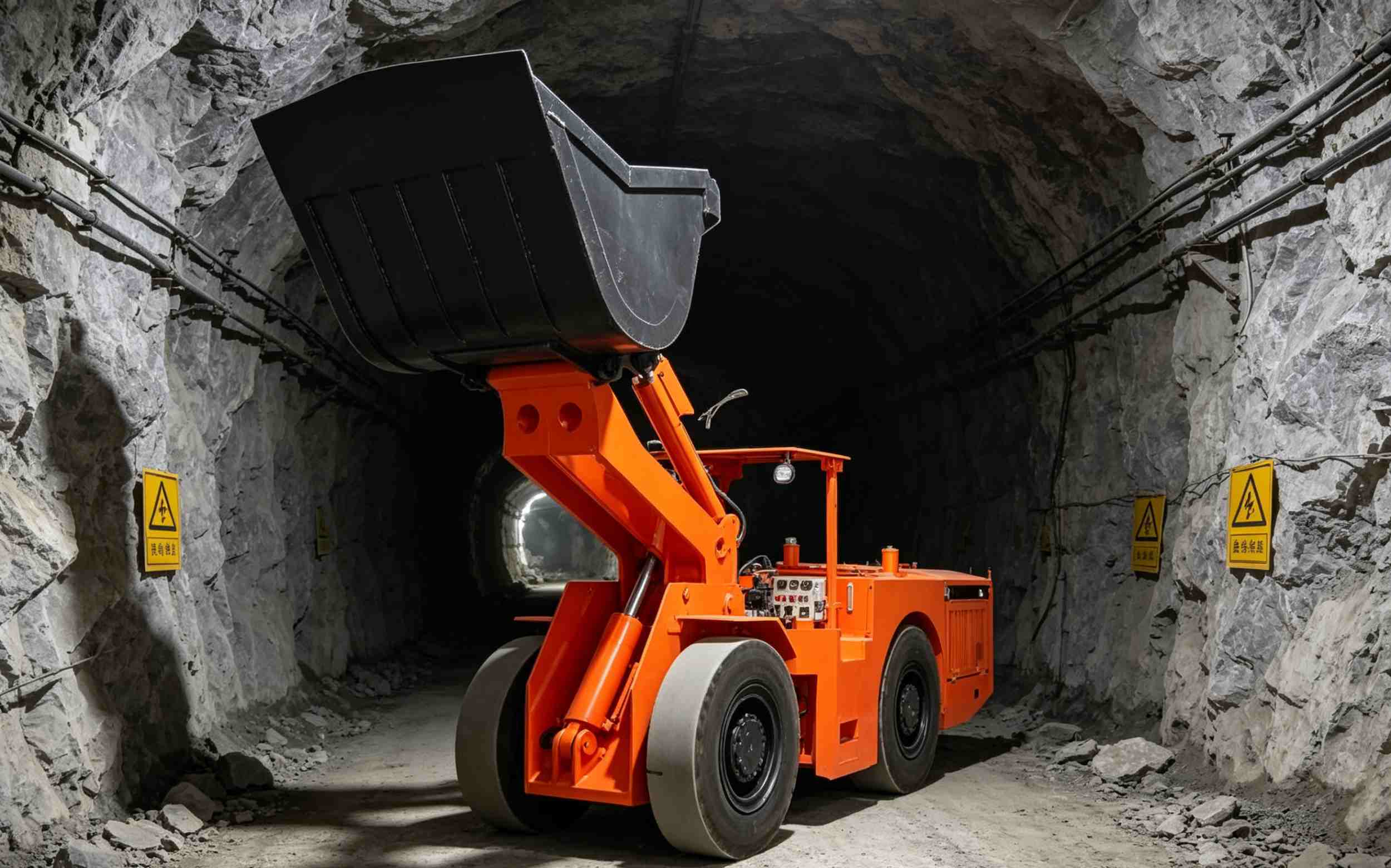
A 1.2-ton class underground scooptram often hits the sweet spot. These loaders balance payload capacity with exceptional maneuverability. They work well in headings as narrow as 1.8–2.2 meters, common in many smaller or remnant mines. Operators report faster bucket fill times and smoother tramming compared to oversized machines that constantly scrape walls or require extra blasting.
Why Narrow Vein Mining Favors Compact Loaders
Many older mines and new exploration projects feature vein widths under 2 meters. Standard 2–3 ton loaders simply don’t fit efficiently. You end up with frequent repositioning, reduced payload per pass, or the need for costly development work to widen tunnels.
Compact 1.2-ton models change the equation. Their slim profile and tight turning radius let them operate productively where bigger machines can’t. This means less dilution, lower development costs, and better overall extraction economics.
One contractor working a polymetallic vein deposit in South America switched to smaller scooptrams and saw cycle times drop by nearly 20%. The machines navigated tight corners without constant wall contact, reducing tire wear and maintenance.
Key Specifications That Drive Performance in Tight Spaces
The CHWJ-0.6 (1 cubic yard) scooptram stands out with features tailored for narrow vein work:
- Machine Width: Just 1.15 meters — ideal for confined drifts
- Inner Turning Radius: 1,907 mm for excellent maneuverability
- Outer Turning Radius: 3,460 mm
- Веденная емкость: 0.6 m³ with 1.2 metric ton payload
- Эксплуатационный вес: 5300 кг
- Мощность двигателя: 58 кВт
- Max Shovel Force: 32 kN
- Максимальная тяга: 35 kN
These numbers add up in daily operation. The rear-mounted operator compartment improves visibility and safety. Ground-level service points make daily checks quicker and safer. The overall design prioritizes low cost per tonne in restricted environments.
Technical Advantages Over Larger Machines
Compact underground scooptrams deliver several practical benefits:
- Better Fit in Narrow Drifts — Reduced width means less need for overbreak and lower ground support costs.
- Improved Cycle Times — Quick loading and fast tramming in tight spaces keep production flowing.
- Lower Operating Costs — Smaller engines and optimized powertrains often burn less fuel while delivering strong breakout force.
- Повышенная безопасность — Better visibility and stability in confined areas reduce accident risks.
- Easier Transport and Setup — Lighter weight simplifies underground movement and initial deployment.
Many operators notice these machines hold up well in wet or dusty conditions common in narrow veins, thanks to robust engineering and accessible maintenance points.
Economic Case for 1.2-Ton Class Scooptrams
When you run the numbers on a narrow vein project, the smaller loaders often win on total ownership cost. Higher utilization rates, reduced development expenses, and faster payback on equipment investment add up quickly.
For a mid-sized operation moving 500–800 tonnes per day, deploying two or three compact scooptrams can outperform a single larger machine in productivity while keeping capital expenditure in check. Fleet flexibility also improves — you can assign machines to different headings without major reconfiguration.
Future Trends Shaping the Underground Scooptram Market
Automation and electrification are gaining ground, but compact diesel or hybrid units remain dominant in many narrow vein sites due to infrastructure limitations. Demand for reliable, easy-to-maintain machines will stay strong through 2032, especially in regions developing smaller deposits.
Suppliers who understand these niche requirements — tight dimensions, strong performance, and practical serviceability — are best positioned to support mining companies chasing these opportunities.
Yantai Chi Hong Machinery Co., Ltd. – A Trusted Underground Mine Truck Supplier
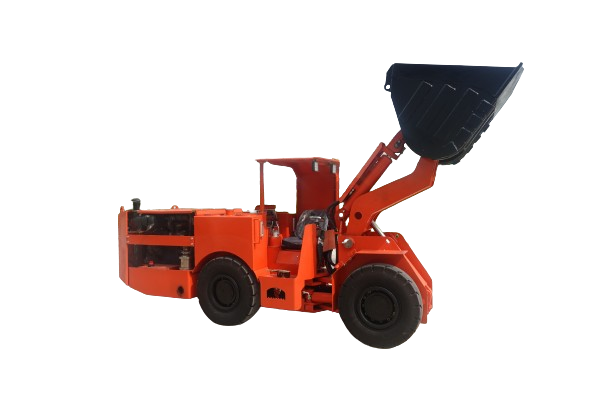
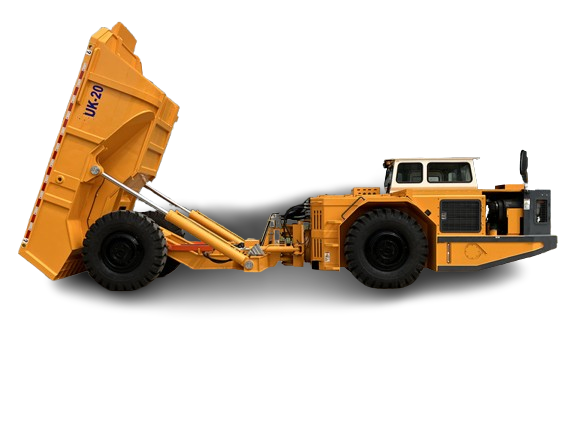
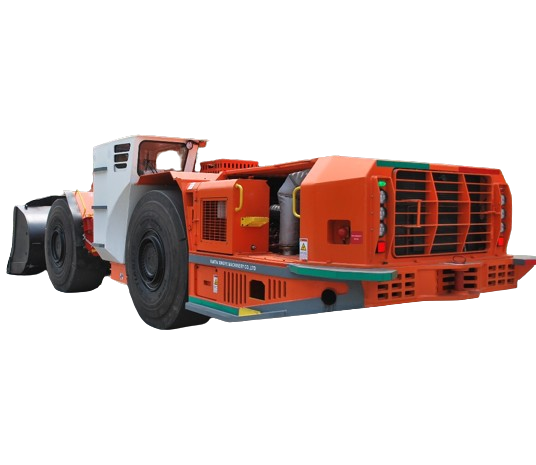
Yantai Chi Hong Machinery Co., Ltd. has built a strong reputation as an подземный шахтный грузовик supplier over more than 12 years in the sector. Based in Yantai, China, the company operates a large production base and focuses on a full range of underground equipment, including LHD loaders, scooptrams, dump trucks, drill jumbos, and more.
Their CHWJ series scooptrams, such as the 0.6 model, reflect practical experience in narrow vein applications. With CE and ISO certifications, modern manufacturing processes, and a commitment to after-sales support, they deliver machines that perform reliably in challenging underground conditions. Mining teams value their combination of compact design, solid build quality, and responsive service for both standard and customized needs.
Заключение
The underground scooptram market through 2032 offers clear opportunities for operators focusing on narrow vein deposits. The 1.2-ton class loaders strike an effective balance between size, payload, and productivity that larger machines often miss in tight spaces. By choosing equipment engineered specifically for these conditions, mining companies can lower costs, improve safety, and extract more value from challenging deposits.
For procurement managers evaluating fleet options, compact scooptrams represent a practical choice with strong economic upside in today’s selective mining environment.
Часто задаваемые вопросы
What makes a 1.2-ton underground scooptram ideal for narrow vein mining?
Its slim 1.15-meter width and tight 1,907 mm inner turning radius allow efficient operation in confined tunnels where bigger machines struggle, delivering better cycle times and lower dilution.
How does the underground scooptram market look through 2032?
Steady growth is expected, aligned with overall underground mining equipment expansion at around 5% CAGR, driven by demand for metals and more selective mining methods in smaller deposits.
What payload and bucket size are typical for compact scooptrams?
Models in the 1–1.2 ton range usually feature 0.6 m³ buckets, offering a good balance of productivity and maneuverability for narrow vein operations.
Are these underground scooptrams easy to maintain underground?
Yes. Designs with ground-level service points, robust components, and good access help crews complete daily checks and repairs faster, reducing downtime in remote headings.
Why should contractors consider Chinese suppliers for underground scooptrams?
Established manufacturers like Yantai Chi Hong Machinery Co., Ltd. combine competitive pricing, modern production standards, and practical designs tailored to real mining conditions, backed by solid certifications and support.

 Russian
  English
  Chinese
  Spanish