



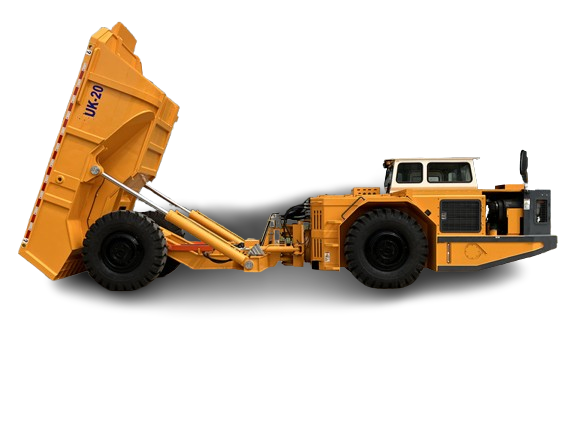
A diesel underground mine truck is often judged by payload and engine power, but in a ventilation-limited mine the real question is different: how much fuel, heat, exhaust and downtime does each tonne of ore create? In narrow drifts, long ramps and deep zones, weak airflow can turn haulage into a daily bottleneck. The truck may still have power, yet the workplace gets hotter, diesel emissions build up faster, and small faults become production losses.
For mines that still depend on diesel underground mining trucks, the goal is to run each underground mine truck with a cleaner duty cycle, better cooling, tighter maintenance and a size that fits the mine layout.
The Ventilation Problem Behind Diesel Haulage
Ventilation-limited mines usually struggle because several diesel units work in the same confined air route: loaders near the face, trucks on ramps, service vehicles and auxiliary equipment. Each engine adds diesel particulate matter, carbon monoxide, nitrogen oxides and heat.
Why airflow gets tight underground
Air quantity changes as the mine advances. Bends, regulators, leakage points and long duct runs can leave active headings with less fresh air than expected. At loading points, one underground haul truck may idle while another waits. Near a dump point, trucks may queue with engines running because there is no safe place to shut down and restart.
In that setting, a diesel underground mine truck is both a haulage machine and a moving heat source. Cutting fuel consumption has a second benefit: less fuel burned means less heat and exhaust for the ventilation system to carry away.
Fuel Use Starts with the Haulage Cycle
Many mines look at the engine first when fuel use rises. The engine matters, but the haulage cycle often tells the real story. A truck that spends 20 minutes moving and 12 minutes waiting can burn a lot of fuel without moving ore. On a steep ramp, aggressive throttle use can add heat and stress while saving very little time.
Where fuel is lost underground
Common fuel losses in underground haulage come from habits and road conditions:
- Long idling at loading bays, passing bays and dump points
- Overloading that forces the engine, transmission and brakes
- Underloading that sends too many cycles through the same airway
- Soft, wet or broken road surfaces
- Low tire pressure or uneven tire wear
- Hard braking before curves and tipping areas
A practical fuel plan starts with dispatch. Trucks should arrive when the loader is ready, not five minutes early. Drivers should know the target speed on ramps and the safe gear range for loaded travel. Supervisors should compare tonnes hauled with engine hours, not only shift output. That habit shows whether the fleet is moving ore or burning diesel in queues.
Cut Heat Load at the Source
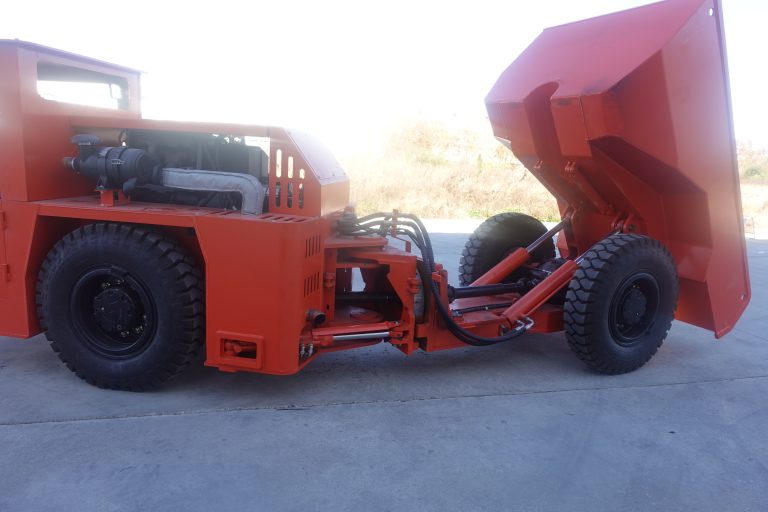
Heat load comes from rock temperature, water, compressors, people and mobile equipment. Diesel underground mine trucks can add a large share during loaded ramp haulage because the engine, exhaust, hydraulic system, tires and brakes all release heat into the working air.
Heat sources worth checking first
| Heat source | Common sign | Practical control |
| Cooling system | High coolant temperature | Clean radiator cores, check coolant and fan drive |
| Exhaust system | Hot air around rear frame | Keep shielding and exhaust routing in good condition |
| Brakes | Burning smell after downhill travel | Check dragging brakes and braking habits |
| Hydraulic oil | Slow tipping or high oil temperature | Inspect filters, leaks, oil level and cooler |
| Tires and road | Fast tire wear, rough travel | Grade roads and control water |
Cooling faults often begin small. Dust in the radiator, damaged fins or a weak fan belt may not stop a truck on the first shift. But as the mine gets deeper or the ramp gets longer, the same fault can trigger overheating, lower power and unscheduled stoppage. In a ventilation-limited mine, cooling maintenance is part of airflow management.
Diesel Exhaust Control Is a Layered Job
No single step removes diesel exhaust risk underground. Better results come from layered controls that work together: clean fuel, sound engines, exhaust aftertreatment, planned airflow, driver training and regular checks.
Practical control points for diesel emissions
Low sulfur fuel and clean engine oil help reduce smoke and deposit build-up. Air filters need close attention because a restricted intake can raise fuel use and exhaust opacity. Fuel injectors, turbochargers and engine timing should be checked when smoke increases under load. Exhaust aftertreatment parts also need correct cleaning or replacement intervals, especially in dusty mines.
Ventilation should match active working zones, not the mine plan from months earlier. A new heading, longer ramp or changed dump point can shift the dirty-air path. Driver behavior also matters. Smooth acceleration, steady ramp speed and fewer unnecessary starts can reduce diesel emissions without slowing the shift.
Maintenance That Keeps Availability High
Downtime in underground haulage rarely arrives without warning. It usually follows missed signs: slower starting, higher fuel burn, hotter coolant, longer braking distance, oil leaks, unusual smoke or noisy driveline parts. Because each truck may feed several production activities, one stopped truck can leave a loader waiting, a crew idle and a shaft or portal schedule disrupted.
Daily checks and scheduled service
A useful underground mine truck maintenance checklist should stay short enough for daily use but strict enough to catch expensive faults. Key checks include:
- Coolant level, radiator blockage and fan condition
- Engine oil, fuel leaks and air filter restriction
- Brake response, parking brake holding and hub temperature
- Tire cuts, tire pressure and wheel nuts
- Hydraulic hoses, cylinders and tipping function
- Lights, mirrors, camera systems and fire safety items
Scheduled service should follow engine hours and site conditions. A clean, dry mine and a wet, acidic mine should not use the same inspection rhythm. If spare parts are slow to arrive, a cheap hose or filter can become a full-day production loss. Downtime reduction begins before failure, with parts planning, service records and operator reports that are actually read.
Match Truck Size to Airflow, Roadway and Production
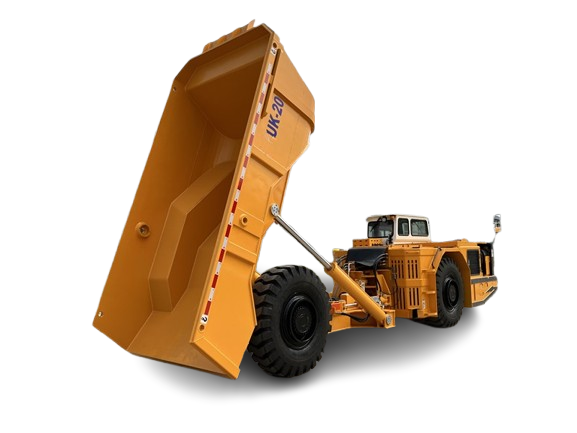
Larger capacity can lower cost per tonne when the drift, ramp and ventilation system can support it. The same truck can be a poor choice in a tight mine with short haul distances, sharp turns or weak airflow. More payload may bring more engine load, longer loading time, higher brake heat and more waiting at passing bays.
What to share before a quote
Before choosing a diesel underground mine truck, mine buyers should prepare:
- Tunnel width, height and turning areas
- Ramp grade, ramp length and road surface condition
- Ore density and target payload per trip
- Haul distance from face to dump point
- Shift hours and planned engine hours per day
- Ambient temperature and known hot zones
- Ventilation limits and exhaust rules
- Maintenance team skill level and spare parts plan
This information helps a supplier match the truck to the mine, not just to a payload number. It also helps estimate cost per tonne, fuel consumption, cooling needs and service access.
Yantai Chi Hong Machinery Co., Ltd. as an Underground Mine Truck Supplier
Yantai Chi Hong Machinery Co., Ltd. focuses on underground mining equipment for loading, hauling, drilling, scaling, breaking, rock drilling tools and spare parts. With 12 years in the underground mining field, the company has built a 96,000-square-meter production base, supported by more than 300 production personnel, experienced managers and senior technical workers.
As an underground mine truck supplier, the company’s value is not limited to machine supply. Its manufacturing system covers cutting, welding, machining and assembly, while service support includes warranty coverage, regular inspection, equipment operation training, maintenance guidance and spare parts supply. For mines in low-profile tunnels, narrow roadways or demanding haulage routes, this mix of equipment range and service follow-up can reduce selection risk.
Заключение
A diesel underground mine truck can still serve ventilation-limited mines when the whole haulage system is managed with care. Lower fuel consumption, lower heat load and less downtime come from the same practical actions: cleaner cycles, steady driving, good roadways, strong cooling, layered diesel exhaust control and maintenance that catches small faults early. For mine owners, contractors and fleet managers, the best result comes when truck selection is tied to airflow, ramp design, payload, service access and real production targets.
Часто задаваемые вопросы
How can a mine reduce diesel underground mine truck fuel consumption?
Start with idling time, payload control and haul road condition. Trucks should not wait long at loading or dumping points with engines running. A smooth road, correct tire pressure and steady ramp speed can lower fuel burn without reducing production.
Why do diesel underground mining trucks increase heat load?
Fuel burned by the engine becomes useful power, exhaust heat, cooling heat and friction heat. Loaded ramp haulage, dirty radiators, dragging brakes and high hydraulic oil temperature can all raise underground mine truck heat load.
What maintenance helps reduce underground haul truck downtime?
The most useful checks are cooling system condition, air filter restriction, fuel leaks, brake performance, tire damage, hydraulic hoses and fire safety items. Keeping common spare parts on site also cuts downtime caused by small failures.
Is diesel or electric better for a ventilation-limited mine?
It depends on the mine. Electric equipment can reduce local exhaust and heat, but diesel equipment may still fit mines that need flexible deployment, long ramp haulage or simpler site infrastructure. The right choice should compare total cost of ownership, ventilation cost, charging needs, service skills and production targets.

 Russian
  English
  Chinese
  Spanish