



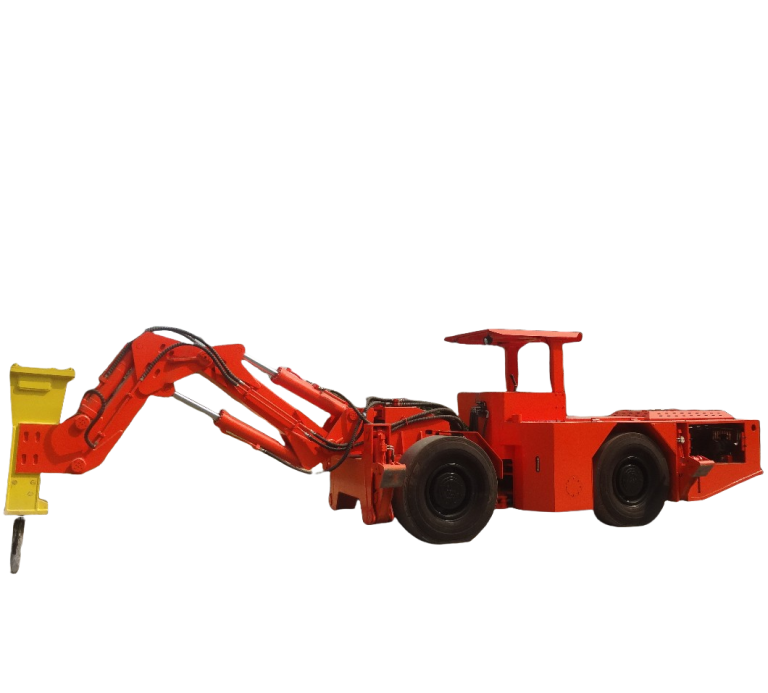
Blasting work forms one of the key steps in underground mining and tunneling. It aims to break rock masses well and reveal useful ore areas. The careful use of explosives turns hard rock into smaller pieces. This makes it easier to dig and move materials later. But the job does not stop right after the blast. What comes next matters a lot for keeping the mine safe, steady, and working well. These next steps include removing rubble, supporting walls, and dealing with big rocks that block paths or harm machines. Here, underground rock breakers act as vital tools. They help turn large boulders into smaller bits with care and speed. This links the blast to moving materials smoothly. In tight underground spaces, they keep things running and boost output.
What Happens After a Blasting Operation Underground?
Right after each blast round, workers must handle several urgent tasks. These help bring back safe conditions and get ready for more work.
The Immediate Aftermath of a Blast
The blast breaks the rock into pieces of different sizes. Most of this material ends up small enough for loading or crushing. However, some big boulders stay whole. These large pieces can block machines and create dangers if not fixed quickly. Before people return to the area, they check for safety. They look for loose stones or risks of falling parts. Once they confirm it is stable, they start breaking the big rocks as a follow-up.
To connect this to the next part, let’s look at the problems that arise if these steps are not done right.
Challenges Faced Without Proper Post-Blast Management
Lack of good post-blast care leads to issues. Big rocks can block paths for trucks and loaders. This slows down work and causes hold-ups in output plans. Using hand tools to break them or doing extra blasts adds long waits and raises costs. Also, weak rock areas that go untreated can cause accidents like sudden falls or wall shifts. So, tools like underground rock breakers turn from a choice into a must-have.
Why Are Underground Rock Breakers Critical in Post-Blasting Operations?
Adding underground rock breakers to the steps after a blast changes how well and safely mining runs.
This leads us to see how they boost daily work flow.
提高运营效率
Underground rock breakers let work keep going by quickly turning big rock pieces into sizes easy to move or crush. This machine-based method cuts out waits from hand work or extra blasts that need more time to clear. It keeps a steady supply to crushers and belts. As a result, machines get used better all along the line.
Now, safety stands out as another big reason for their importance.
Ensuring Safety in Confined Underground Environments
In underground spots, safety comes first because space is tight and air flow is limited. New hydraulic breakers often have controls from afar or run on their own. Operators can stay in safe spots away from danger. This cuts down time people spend in risky areas right after a blast. Plus, the steady breaking by machines lowers chances of extra falls. It stops big pieces from coming loose from walls or roofs without control.
How Do Underground Rock Breakers Improve Material Handling?
How well materials move affects the whole mine’s success. Good breaking of rocks plays a main part in this.
Let’s explore how they help with moving ore.
Facilitating Smooth Ore Flow and Transport
Underground rock breakers turn big rocks into even sizes that fit ore chutes and crushers. They stop jams that could stop the flow in moving systems. Even sizes mean steady input to later steps like grinding or mixing plants. This keeps the work rate constant.
Beyond flow, they also help save on machine upkeep.
Reducing Equipment Wear and Maintenance Costs
With smaller rocks, the force on crushing tools and belts drops. This means less damage to parts like covers, wheels, and motors. In the long run, costs for fixes go down. Key machines last longer in the full setup.
What Factors Influence the Selection of an Underground Rock Breaker?
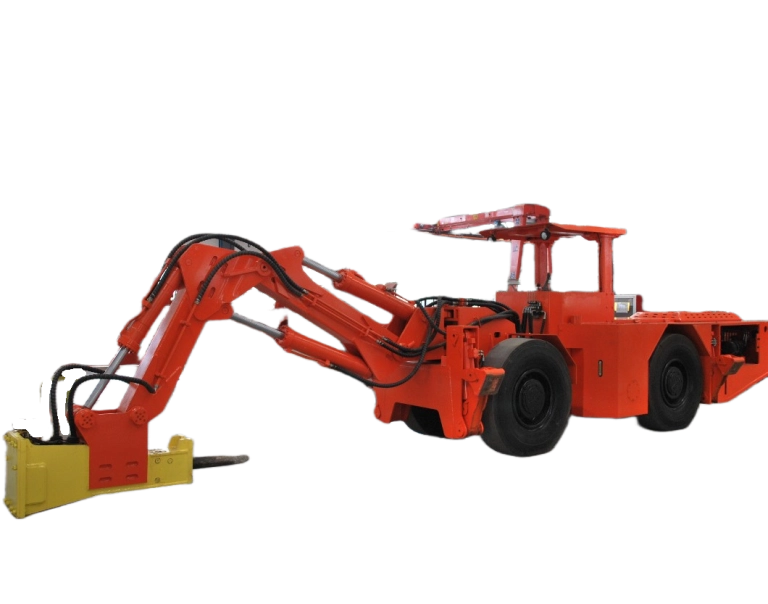
Picking the right breaker means looking at many tech details. These must fit the site’s needs.
To start, engineers check linked factors that shape how well it works.
Key Technical Considerations
Engineers look at several connected parts before picking a model or setup. These decide if it performs as needed.
Hydraulic Power and Impact Energy Requirements
The power from the hydraulic setup must fit the rock’s toughness and how it breaks after the blast. Too little force might not handle big boulders well. Too much could hurt nearby walls or the machine it attaches to.
Compatibility with Carrier Equipment
Underground breakers mount on diggers, loaders, or fixed arm setups. Good fit is key for balance and easy moves in small areas. It also matches the oil flow between the base machine and the breaker part.
Operating Environment Constraints
Underground spots bring special issues like low ceilings, bad air, dust buildup, and rules on noise. Choosing small designs with good cooling keeps it running steady. It meets standards for worker ease and air quality.
How Does Automation Enhance the Performance of Rock Breakers?
Tech changes are updating mining worldwide. Automation drives better results in steps after blasts.
This ties into how it links with mine systems.
Integration with Modern Mine Control Systems
Auto controls let booms position just right near the rocks. They use sensors or light guides for this. Live info helps tweak the hit rate based on rock hardness changes found during work.
Remote features add even more value.
Remote Operation for Safety and Productivity Gains
Systems run from afar let workers control breaks from safe watch areas with cameras or movement detectors. This boosts safety and cuts wait times from hand shifts between rounds or checks after blasts.
烟台驰鸿机械有限公司是谁?
烟台驰鸿机械设备有限公司 earns trust as a solid provider of strong underground rock breakers. These suit tough mining spots around the world. The firm’s skills focus on building lasting hydraulic tools for high-pressure deep mines. Products stress dependability with exact building methods and tough materials that hold up in steady use. Also, Yantai Chi Hong Machinery Co., Ltd. offers tailoring so buyers can pick setups that match their work areas. This works for units on moving bases or fixed arms. It ensures top output without cutting safety in varied rock types.
With this background, we can wrap up the key points.
结论
Steps after blasts decide if an underground site hits its goals for output in a safe and cost-effective way. Using underground rock breakers makes the shift from blast breaking to moving materials easy. They clear big blocks fast and protect workers from risks in tight spots. Their role goes further than quick wins. They help machines last longer, keep work steady, and lower fix needs in mining setups. For experts in deep digging fields, putting money into new breaker tech shows smart planning and a real need.
常见问题解答
What is the primary function of an underground rock breaker after blasting?
The main function is to fragment oversized rocks left after blasting, ensuring smooth material flow and preventing blockages in ore handling systems.
How do underground rock breakers contribute to worker safety?
They minimize human exposure by allowing remote-controlled breaking operations within hazardous post-blast zones.
Why choose Yantai Chi Hong Machinery Co., Ltd. for underground rock breakers?
The company provides durable, high-performance hydraulic breakers designed specifically for demanding underground conditions, backed by strong technical support and customization options.

 Chinese
  English
  Russian
  Spanish