



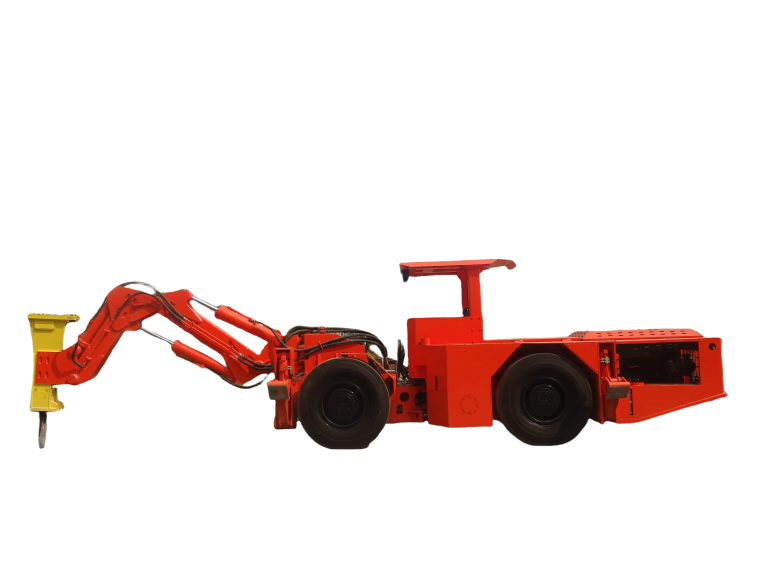
In an underground mine, a grizzly station looks like a simple transfer point. Ore is dumped, smaller material falls through the bars, and the haulage cycle moves on. The problem starts when oversize ore sits across the grizzly and stops the flow. One blocked grizzly can hold back loaders, trucks, crusher feed, and the next blast round.
For many mine teams, the choice comes down to two methods: use secondary blasting or install an underground rock breaker. Both can break large boulders. Both have a place. The better choice depends on blockage frequency, safety rules, access space, ventilation, rock hardness, and how much downtime the mine can afford.
Why Oversize Ore Blocks Grizzly Stations
A grizzly station is meant to protect ore passes, hoppers, and crushers from material that is too large. It is not meant to store boulders all shift. When post-blast fragmentation is uneven, large rock sits on the bars, bridges across the opening, or wedges into the steel structure.
What happens at the grizzly?
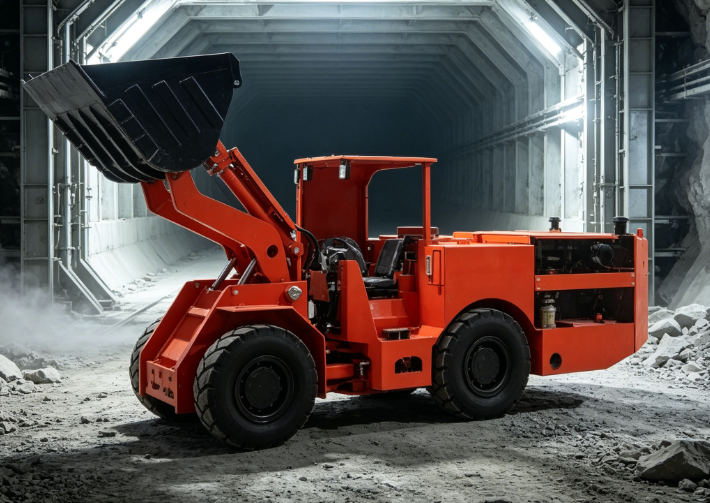
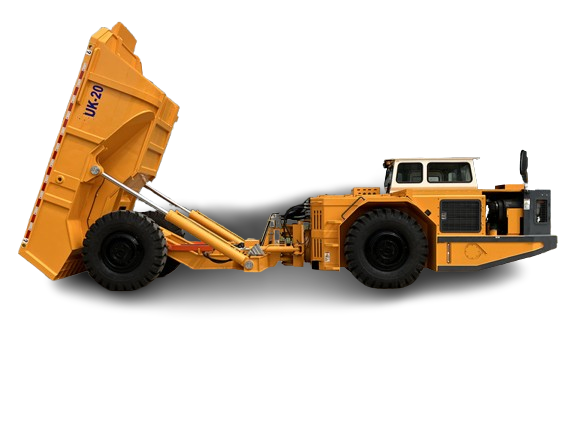
After drilling and blasting, blasted ore is usually moved by underground loaders or mine trucks to a draw point, ore pass, or crusher feed area. The grizzly bars work as a size gate. Fine and properly sized rock drops through. Large boulders stay on top.
That sounds controlled, but the site condition is often rough. The ore may be wet. The rock may be angular. A boulder may be flat enough to lie across several bars. Once that happens, every new bucket dumped on top makes the jam harder to clear.
Common signs of grizzly blockage include:
- Loaders waiting near the tipping area
- Trucks queuing before the dump point
- Crusher feed becoming unstable
- Workers spending more time near unsupported rock
- Repeated delays after every blast cycle
The real cost is rarely the broken rock itself. It is the lost rhythm across the whole underground haulage system.
What Is Secondary Blasting?
Secondary blasting is the traditional way to deal with oversize ore that cannot pass through a grizzly station. The crew drills or places a small explosive charge on or inside the boulder, clears the area, fires the charge, ventilates the heading, and checks the site before production restarts.
Where secondary blasting works well
Secondary blasting can still be useful when the mine faces rare, extremely large boulders. It may also be practical in places where mechanical equipment cannot reach the blockage or where the rock mass is too hard for the available breaker.
For isolated oversize boulders, secondary blasting can be direct and powerful. A properly controlled charge can split material that would take a long time to break mechanically.
Why secondary blasting becomes costly at grizzly stations
The challenge is repetition. If oversize ore reaches the grizzly every shift, secondary blasting starts to pull too much time from production. The crew has to stop traffic, remove people from the risk area, follow explosive handling rules, wait for fumes to clear, then inspect the grizzly and surrounding steelwork.
In a tight underground setting, these steps are not small details. Ventilation time alone can disturb a planned haulage cycle. If the crusher is waiting for feed and loaders are parked with full buckets, the delay spreads fast.
Secondary blasting also needs close control around fixed infrastructure. Grizzly bars, ore pass collars, hoppers, retaining walls, and nearby supports are not designed to take frequent blast shock at close range. When a mine has the same blockage problem week after week, the question changes from “Can blasting break it?” to “Should blasting be the regular method?”
How an Underground Rock Breaker Handles Oversize Ore
地下破碎机 uses hydraulic impact to split boulders at the grizzly, ore pass, or crusher feed point. Instead of clearing a full area for another blast, the operator aims the breaker tool at the boulder and breaks it into smaller pieces that can pass through the opening.
Why mechanical rock breaking fits grizzly work
Grizzly blockage is often a repeated, local problem. That makes mechanical rock breaking a strong fit. The boulder is already in a known place. The operator can target the rock, break it step by step, and restore ore flow without treating every blockage like a new blast event.
A hydraulic rock breaker is especially useful when the mine needs:
- Faster response at a fixed dump point
- Less traffic disruption around the grizzly
- Lower worker exposure near unstable boulders
- More stable crusher feed
- Fewer delays from explosive handling and ventilation
For many underground sites, the best value of a rock breaker is not only breaking force. It is the speed of getting the grizzly station back into service.
What makes a breaker suitable for underground mines?
Not every breaker setup fits underground work. Low headroom, narrow access, dust, poor visibility, and wet ground all affect equipment choice. A good underground rock breaker should match the site layout, not just the boulder size.
Important points include tool reach, impact energy, carrier stability, hydraulic reliability, visibility from the operator position, service access, and wear part supply. A breaker that cannot cover the full grizzly area may leave blind spots. A breaker that is too large may be hard to position or service in a narrow chamber.
Rock Breaker vs Secondary Blasting: Which Fits Better?
Both methods can reduce oversize ore. The practical choice depends on how often the blockage happens and how much risk the mine accepts around the grizzly station.
| 因素 | 地下岩石破碎机 | Secondary Blasting |
|---|---|---|
| Best use case | Repeated grizzly blockage and ore pass blockage | Rare or extreme oversize boulders |
| Production impact | Usually shorter stoppage | Often longer stoppage |
| Safety control | Can keep workers farther from the boulder | Needs blast clearance and re-entry checks |
| Ventilation demand | Lower than blasting | Higher after firing |
| Precision | Breaks the target rock step by step | Energy release is less local |
| Cost pattern | Equipment, service, wear parts | Explosives, labor, delay time, permits |
| Infrastructure risk | Lower when operated correctly | More care needed near fixed steelwork |
Safety at the grizzly station?
Safety is usually the first reason mines move from regular secondary blasting to a rock breaker for grizzly blockage. Oversize ore can shift without warning. A boulder resting across bars may look stable until vibration, another dump load, or a tool strike changes its position.
Mechanical breaking gives the mine a way to attack the boulder from a safer operating position. If the layout supports remote operation or a protected control area, worker exposure drops further.
Secondary blasting can be done safely with correct procedures, but the routine is heavier. People must leave the area. Explosives must be handled. Re-entry must be controlled. In a busy underground mine, each step adds time and coordination.
Downtime and ore flow?
A grizzly station is part of a chain. When one link stops, the rest of the chain feels it. A loader may be ready to tip, but cannot. A truck may be waiting behind it. A crusher may run empty. The face crew may be preparing for the next cycle while haulage is still catching up.
A rock breaker helps reduce crusher feed blockage by dealing with the boulder near the source of the delay. For repeated blockages, this is often more practical than calling a blasting crew every time.
Cost per incident or cost per shift?
Secondary blasting may look cheaper when only the explosive and labor are counted. That view misses the bigger number. The cost per incident should include waiting machines, lost crusher feed, ventilation delay, extra supervision, and the risk of damage near the grizzly.
A hydraulic rock breaker has a higher equipment cost, plus maintenance and wear parts. But when oversize ore appears often, the payback comes from shorter stoppages and fewer interruptions to the haulage cycle.
How to Choose the Right Method for Oversize Ore
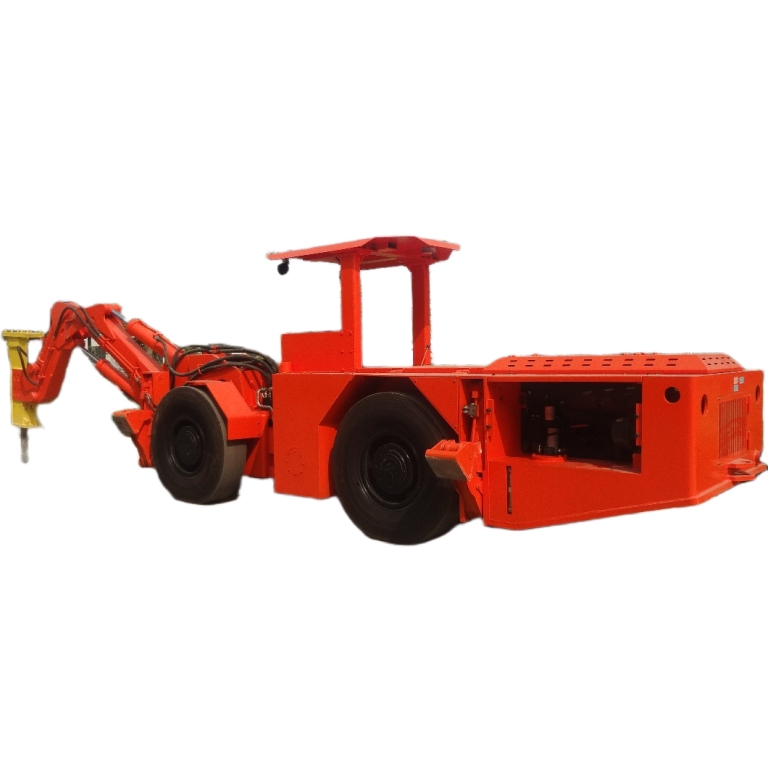
The right answer is not the same for every mine. A hard rock mine with heavy fragmentation problems may need both better blast control and a reliable underground rock breaker at the grizzly.
Check blockage frequency first
If grizzly blockage happens once in a long while, secondary blasting may be enough. If it happens every few shifts, the mine is likely dealing with a process problem, not a one-time rock problem.
Useful checks include:
- How many oversize boulders reach the grizzly per shift?
- How long does each blockage stop tipping?
- How many machines wait during the delay?
- Does the blockage happen after specific blast patterns?
- Are large boulders damaging grizzly bars or chute liners?
This simple record gives the maintenance and production teams a better basis for choosing between secondary blasting and mechanical rock breaking.
Match breaker power to rock and layout
A breaker for grizzly blockage should be chosen by site duty. Rock hardness, maximum boulder size, bar spacing, chamber height, and working angle all matter. Too little impact force leads to slow breaking. Too much machine for the space can create access and service problems.
The breaker should cover the whole grizzly area from a stable position. The operator should have a clear view of the boulder and nearby structure. Tool changes, hose checks, lubrication, and pin inspection should be possible without turning a routine job into a long maintenance stop.
Fix the source of oversize ore
A rock breaker treats the result. It should not hide a bad drill and blast pattern. If the mine keeps sending large boulders to the same grizzly, the drilling layout, burden, spacing, charging practice, timing, or rock mass condition should be reviewed.
Good fragmentation reduces the load on the breaker. A good breaker reduces the damage caused by the boulders that still get through. The strongest setup uses both ideas.
Yantai Chi Hong Machinery as an Underground Rock Breaker Supplier
烟台驰鸿机械设备有限公司 serves underground mining customers with equipment for drilling, scaling, rock breaking, loading, hauling, rock drilling tools, and mining spare parts. For buyers looking at an underground rock breaker supplier, this broader product range matters because a grizzly station problem rarely exists alone. It connects with blasting quality, loader traffic, mine truck scheduling, crusher feed, service response, and parts supply.
The company has built its work around underground mining machinery, with production, sales, service, and technical support linked into one system. Its rock breaker solutions are part of a wider underground equipment line, which helps mine teams discuss site layout, working space, maintenance planning, and fleet matching in one conversation.
For B2B mining buyers, the supplier question goes beyond breaker force. Practical support matters: spare parts availability, maintenance guidance, operator training, site commissioning, and fast technical communication when equipment stops during a production shift. These points can decide whether a rock breaker remains a useful grizzly station tool after the first year of operation.
结论
For occasional extreme boulders, secondary blasting can still be a practical method. It breaks very large rock and can solve isolated oversize problems when mechanical access is limited. But at grizzly stations with repeated oversize ore, an underground rock breaker is often the more stable long-term choice.
The reason is simple: grizzly blockage is a production flow problem. Every delay affects loaders, trucks, crusher feed, and the next mining cycle. A hydraulic rock breaker gives mine teams a controlled way to clear boulders, reduce downtime, and keep ore moving with less disruption than repeated secondary blasting.
The best result usually comes from three actions working together: improve drill and blast fragmentation, install the right rock breaker for grizzly coverage, and keep spare parts and maintenance routines ready before the next blockage happens.
常见问题解答
What is the best way to handle oversize ore at grizzly stations?
For repeated grizzly blockage, an underground rock breaker is usually the more practical choice because it can break boulders at the dump point and restore ore flow faster. For rare, very large boulders, secondary blasting may still be used.
Is secondary blasting safe for underground grizzly blockage?
Secondary blasting can be safe when proper blasting rules are followed, but it needs clearance, explosive handling, ventilation, and re-entry checks. Around a busy underground grizzly station, these steps often add downtime and extra site control.
When should a mine choose a hydraulic rock breaker?
A mine should consider a hydraulic rock breaker when oversize ore frequently blocks the grizzly, ore pass, or crusher feed. It is also useful when production delays, worker exposure, and repeated blasting downtime are becoming costly.
Can a rock breaker reduce crusher feed blockage?
Yes. A rock breaker can break oversize boulders before they enter the ore pass or crusher feed path. This helps keep material size more consistent and reduces the risk of bridging, jamming, and empty crusher running.
What should buyers check before choosing an underground rock breaker?
Buyers should check rock hardness, boulder size, grizzly width, chamber height, boom reach, hydraulic system access, operator visibility, maintenance space, and spare parts supply. A good breaker must fit the mine layout as well as the rock.

 Chinese
  English
  Russian
  Spanish