



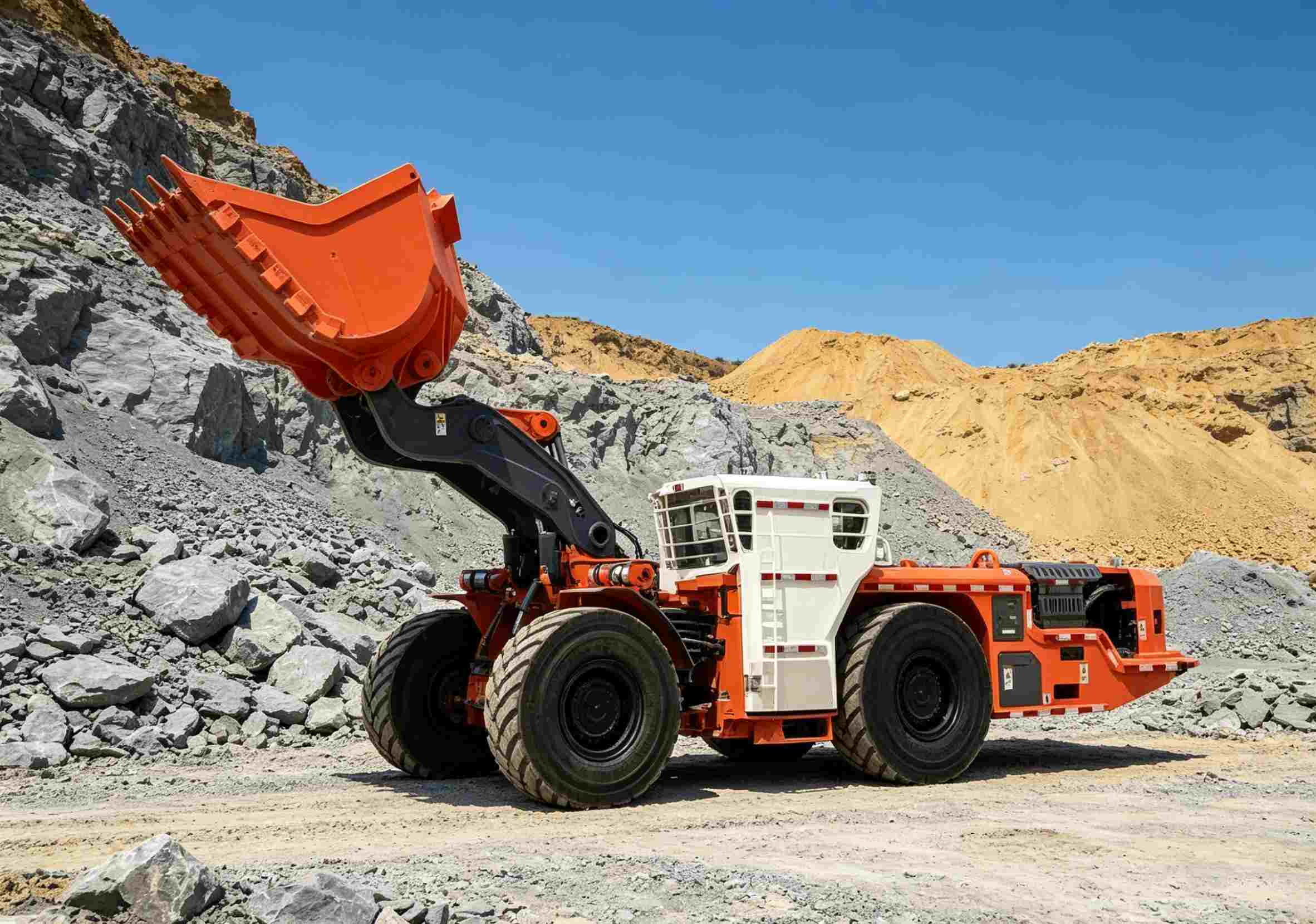
Mining underground is challenging enough. But then add the very low profile of the tunnels, poor airflow, extreme weight, and huge amounts of dust. In this environment, by far the greatest cause of lost productivity due to machine breakdown is engine overheating. For example, an 地下铲运机 will sometimes cease to function after just four hours of work due to failure of the cooling system.
The causes of excessive temperature in restricted development in underground mines, and how experienced underground mine maintenance staff manage this situation. Lessons from practical examples, keeping in mind an example machine, the CHWJ-3 4 cubic yard scooptram.
Why Low-Profile Tunnels Make Cooling So Difficult
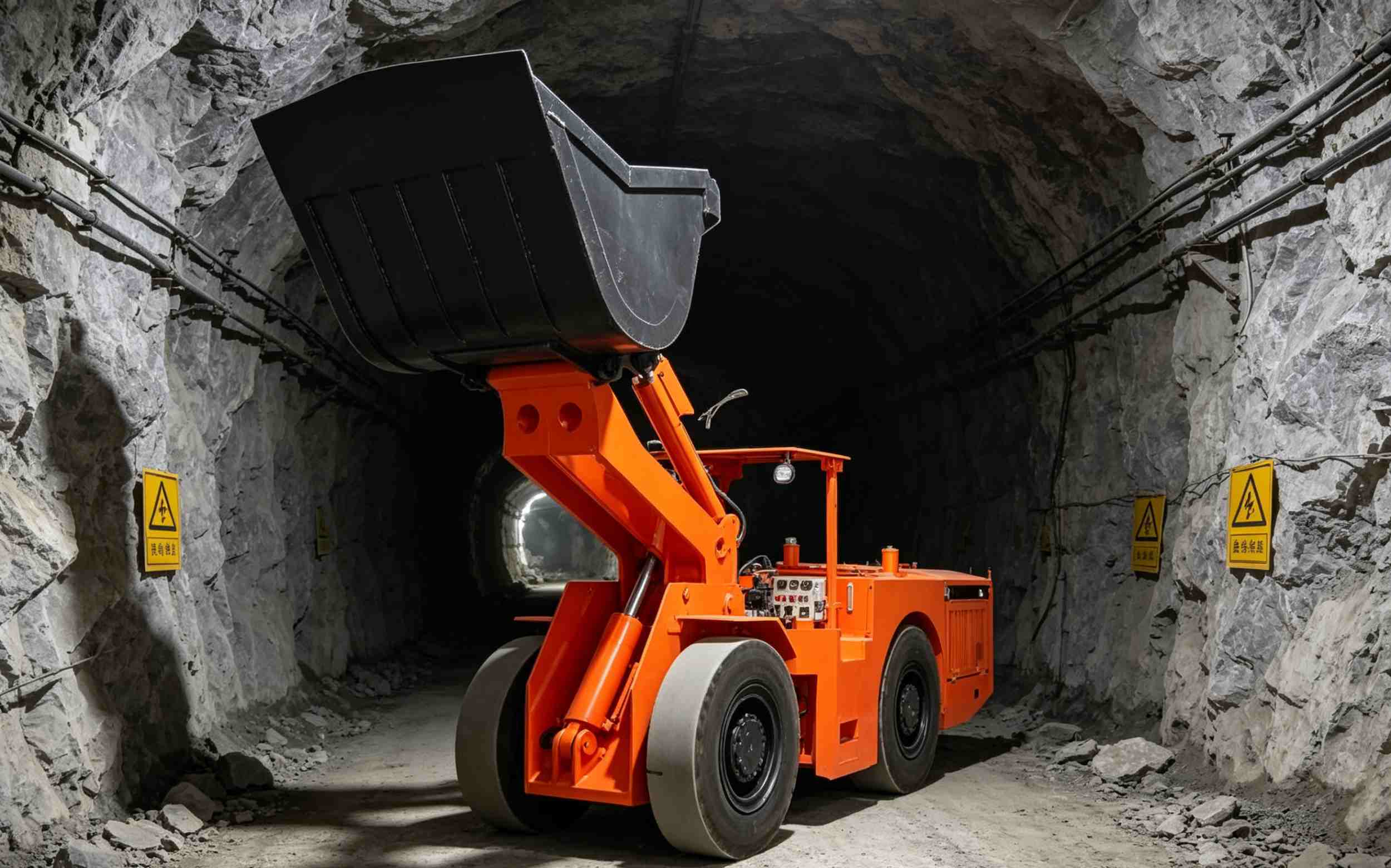
The hot exhaust and limited supply of fresh air in narrow excavator tunnels of only 3-4m in height can pose a serious problem to the normal running of any diesel engine. The excavator’s radiator draws in air which is already warm, polluted with dust and moisture. In normal use this air is still able to be cooled by the radiator to the required temperature by the cooling system, even when it is the hottest part of the day. However in the confined areas of tunnel work, where the machine is mucking 24 hours a day and often going up ramps with a full bucket, even the best of cooling systems can be put under severe pressure.
A zinc mine in Mexico had some of their older model scooptrams running in 3.5-meter high by long holes, running 3 to 4 hours per day in summer time. The temperatures for the engine coolants would rise to dangerous levels. After fine tuning the maintenance and making a few small changes to the scooptram’s systems, the mine was able to extend the average running time of the scooptram greatly.
Understanding the Cooling System in Underground Scooptrams
Modern underground scooptrams, such as the CHWJ-3, are equipped with extremely robust liquid cooling systems. Below you will find an overview of the individual components.
- A large radiator with heavy-duty fins
- High-capacity water pump
- Efficient fan system (often with automatic controls)
- Well-designed ducting to direct airflow
- Quality coolant with proper additives
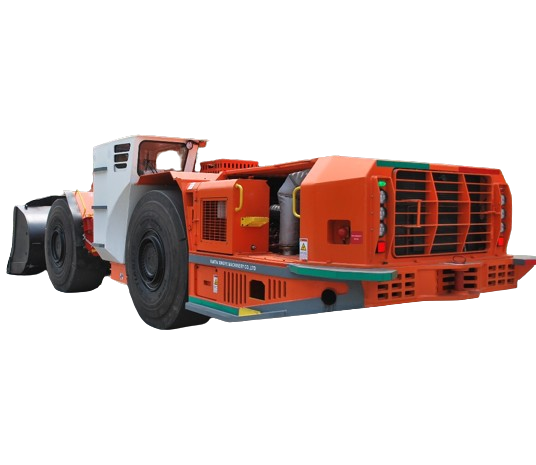
The CHWJ-3 unit is powered by a Deutz engine coupled with an underground cooling package. In good clean condition and serviced regularly, the unit is able to perform the heavy demands of a metal mine or tunneling contract.
Critical Maintenance Practices That Prevent Overheating
There is so much more to running your motorcycle than just taking it out for a spin from time to time. Daily and scheduled maintenance will be the biggest contributor to your bike running smoothly and optimally. Here’s what some of the more experienced mechanics recommend.
Coolant Management
- Use a 50/50 mix of quality antifreeze and distilled water
- Check coolant level every shift before starting
- Test coolant condition every 250 hours
- Replace coolant according to manufacturer intervals
Radiator and Airflow Care
- Inspect and clean the radiator daily in high-dust environments
- Use compressed air (never high-pressure water initially) to remove dust buildup
- Check fan belts and tension weekly
- Ensure no debris blocks intake or exhaust areas
Early Warning Signs
- Rising coolant temperature gauge
- Loss of power under load
- Steam or unusual smells from the engine bay
- Frequent fan activation
An underground contractor from Peru carries out daily cleaning of the radiators with air. As a result overheating incidents have decreased more than 70% within two months.
Comprehensive Maintenance Framework for Long-Term Reliability
Smart mine operators treat scooptram maintenance as a full lifecycle maintenance program.
Daily Checks (Before Every Shift)
- Coolant level and condition
- Hydraulic fluid level
- Visual inspection of radiator and hoses
- Brake and steering function
Every 250–500 Hours
- Deep clean radiator and charge air cooler
- Replace fuel and oil filters
- Check all hose connections for leaks
- Test thermostat operation
Every 1000 Hours
- Full cooling system flush if needed
- Inspect water pump and belts
- Check engine mounts and exhaust system
Hydraulic and Brake System Connection High hydraulic loads due to mucking increase machine’s temperature. Check of hydraulic seals and proper brake adjustment prevent unnecessary stresses on machine.
The Cost of Ignoring Cooling Issues
Overheating an engine once can cost in the thousands of dollars of lost production, potential damage to the engine and subsequent repair. Maintenance on engines and other critical components on the other hand can provide hours and hours of production while extending the life of major components. In many mines around the world, investing 2 hours a week of preventative maintenance will save dozens of hours of time spent in down time.
Yantai Chi Hong Machinery Co., Ltd. as a Trusted Underground Mine Truck Supplier
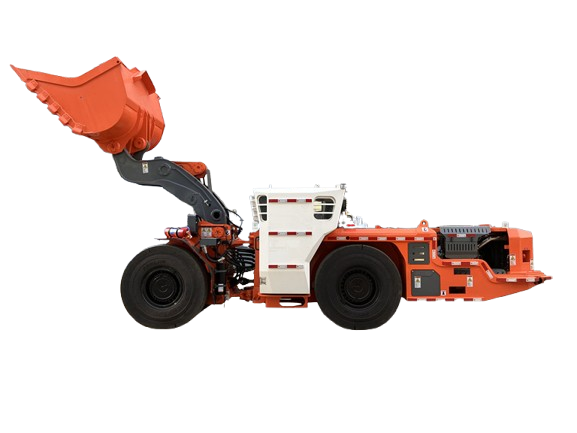
烟台驰鸿机械设备有限公司 has built up a strong reputation and experience of more than 12 years as a supplier of reliable underground mining equipment. The company supplies the complete range of trackless machinery for underground mining such as loading, hauling and other auxiliary equipment like underground mine trucks and also so called scooptrams. Chi Hong Machinery has specialized itself in the design of equipment for narrow-vein and low-profile mining.
Whether it is the recently launched CHWJ-3 4 cubic yard Scooptram designed with large cooling system to facilitate underground mining for extended periods of time, or any of the other equipments being offered by them, these are designed keeping in mind real mining situations and are provided with best possible service-ability. They have ISO9001 and CE certification and are committed to give best possible service-ability with best possible technical support to its customers. These are well appreciated by mining contractors as these are designed with practical approach of withstanding harsh underground conditions on a day to day basis and minimum possible maintenance.
结论
Underground Scooptrams are commonly plagued by problems with engine overheating whilst operating in low-profile tunnels. Overcoming this major operational problem can be achieved through a number of measures including: effective design of the cooling system; quality of on-going maintenance, to be conducted on a daily basis; and adoption of a full life-cycle approach to managing Scooptram’s to minimize instances of unplanned downtime allowing for effective operation to maintain production.
By incorporating the care of the cooling system into your proactive maintenance program, you can run your most successful operations. Even better, by incorporating these measures into your equipment management and the operations of your mine, you can be rewarded with increased machine usage and the lowest possible operating costs.
常见问题解答
Why do Underground Scooptrams overheat more often in low-profile tunnels?
It is because of the restricted airflow and the higher than normal engine loading found in such low height tunnel headings. The cooling system of such Scooptrams have greater difficulty in dissipating such excessive heat.
How often should I clean the radiator on a scooptram like the CHWJ-3?
In high-dust conditions, daily visual checks and cleaning every shift or every 8–10 hours of operation is recommended. Deep cleaning should happen every 500 hours.
What is the best coolant mixture for underground scooptrams?
A 50/50 mix of antifreeze and distilled water is an optimum mixture for best protection against freezing, for corrosion protection, and for heat transfer.
Can poor hydraulic maintenance cause engine to over heat?
Yes, an overworked hydraulic system can generate additional heat which can place a lot of additional stress on the engine cooling package. It is very important to inspect hydraulic system on a regular basis.
What’s the best way to prevent overheating problems before they start?
Follow a strict daily inspection routine, keep radiators clean, use the correct coolant mixture, and address small issues before they become big ones. Consistent habits make the biggest difference.

 Chinese
  English
  Russian
  Spanish