



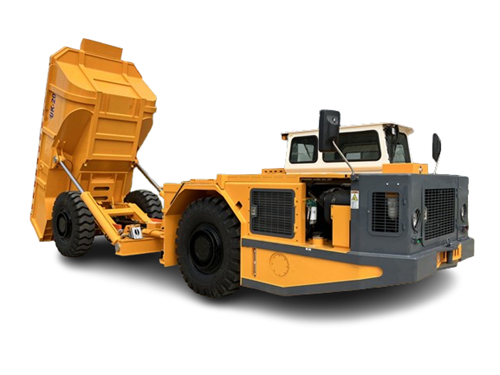
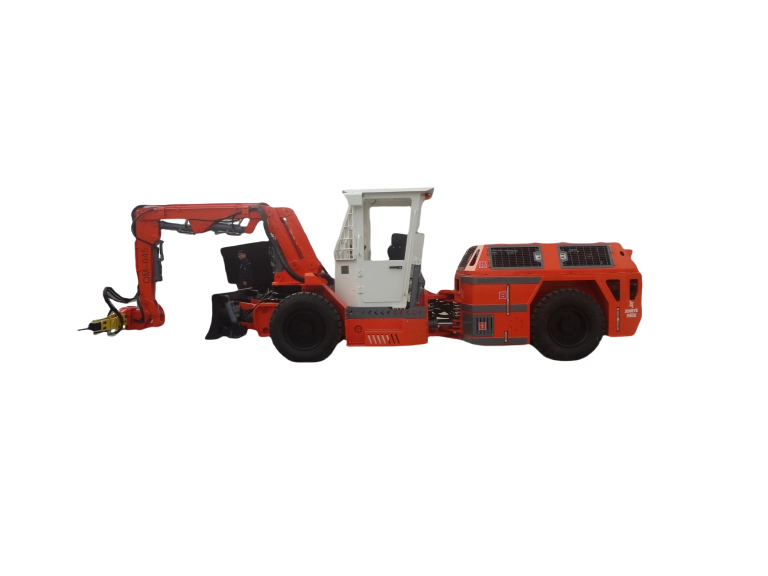
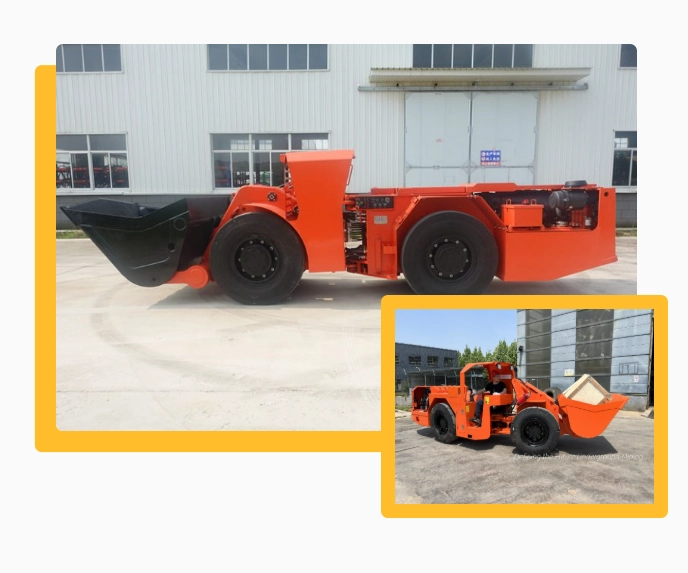
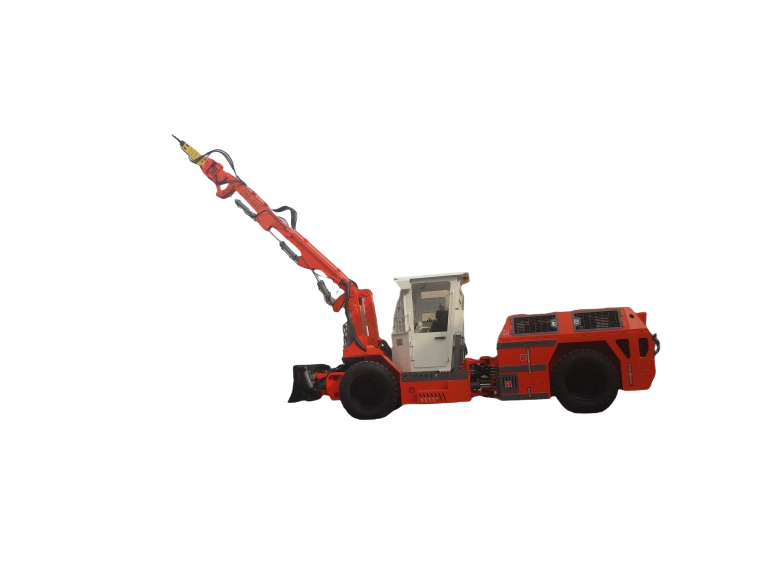
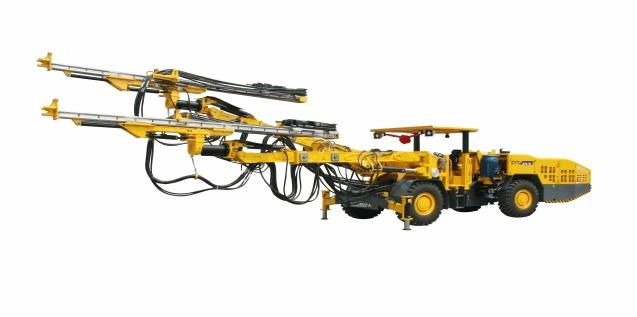
地下矿山卡车 are vital in the mining world. They help move stuff in deep places under the ground. But to make these big machines work at their best, folks who run them need to check and fix a few main things. This post looks at important points when checking how well underground mine trucks run. It compares different sizes of trucks, looks at fuel and electric choices, and talks about balance and fix-up problems. By paying attention to these, mining groups can make their trucks work better, cut down on running money, and get more done overall.
Understanding Underground Mine Trucks Efficiency
Underground mine trucks are key for moving dug-up stuff, junk, and trash from dig sites to spots where it’s handled. These trucks are made just for slim and tight tunnels. They often work in tough and changing spots. To make them run better, it’s important to get how different things like how much they can carry, kinds of power, balance, and fix-up needs can affect how they do.
Comparing Load Capacities: Optimizing for Size and Weight
The first move in checking how well an underground mine truck works is figuring out how much it can hold. Trucks come in all sorts of sizes. Each type is built for certain dig jobs. Trucks with a small hold, like 6-8 tons, are often good for slim tunnels and light-load work. These trucks are quick and can move through tight spots without much trouble. But their small size also cuts down on how much stuff they can haul in one go. This might mean more trips to finish the job.
On the flip side, bigger trucks that hold 12-20 tons can take more stuff each time. This cuts down on trips needed. Yet, they might not fit in tunnels with low space or small dig spots. The trick to making things run smooth is picking a truck with the right hold for the spot’s setup. In lots of cases, a group of trucks with different holds is used. This helps mix good work and easy changes.
Trucks with small loads move fast in tight areas. They help keep things going without stops. But they need more runs to move the same amount. Bigger ones save time on trips. They haul lots at once. But they can get stuck in small paths. So, miners often mix them up. This way, they cover all needs.
Powering Underground Mine Trucks: Fuel vs. Electric
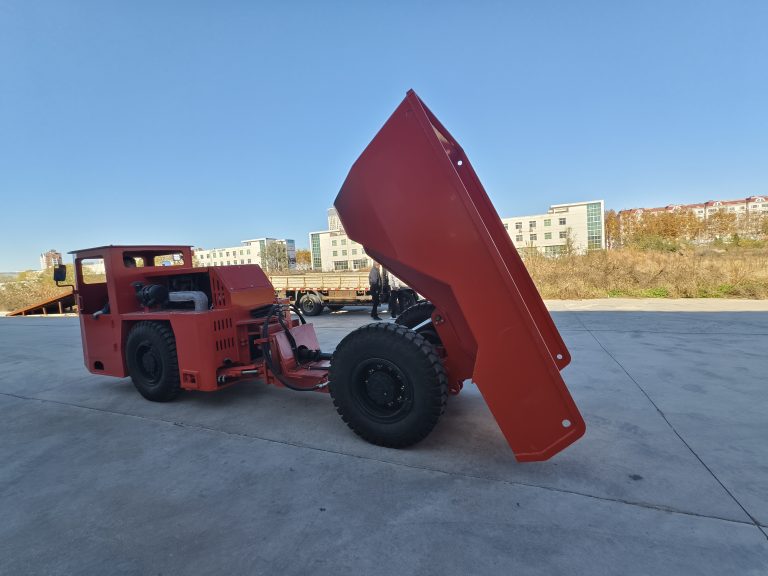
In the past, diesel-powered trucks ruled the mining scene. They did this because of their strong push and steady work. Diesel trucks have the plus of running in spots where power lines aren’t around. This makes them a go-to pick for far-off dig places. But diesel trucks also bring higher running money. This includes gas use, fix-ups, and harm to the air from smoke.
Electric-powered underground mine trucks are getting more liked now. They can cut running money and shrink the mark on the earth. Electric trucks give a few good points over diesel ones. They include cheap power costs, less parts that move (which means less break-downs), and the chance to hook into a mine’s power setup. While the first buy for electric trucks costs more, the long-run wins like cheap running money and better green ways make them a nice choice for new mines.
When thinking about the power for underground mine trucks, it’s key to check the full cost of having them. This covers gas or power money, fix-up costs, and rules on the earth. In many spots, a mix way—using both diesel and electric trucks based on the need—gives the best and cheap fix.
Diesel trucks work anywhere. They don’t need plugs. But they burn lots of fuel. Electric ones save on that. They run quiet too. But they need charge spots. So, some mines use diesel for far areas and electric for close ones. This mix helps a lot.
Stability and Handling: Ensuring Safe Transport
The balance of underground mine trucks is very important for safe and good work. Because of bumpy ground and sharp ups in mines, trucks must stay steady while holding heavy stuff. Trucks with good hang systems and grip control are needed for safe moves of stuff through these hard spots.
Plus, how the truck is built plays a big part in moving over tough ground. Things like bend steering, which lets for tight turns, are helpful in slim mine paths. Balance also hangs on how the load is spread. Trucks with a high middle point might tip more, mainly on sharp ups. Right load spread and steady checks for tire rub and fluid problems are key to keeping balance and stopping crashes.
To make balance and moving better, it’s smart to use trucks with change-able hang systems. These can fit different spots in the mine. This change helps do better in mixed grounds. It also gives drivers the chance to tweak the truck’s move based on what they need.
Good balance stops tips. It keeps workers safe. Trucks with strong grips climb hills easy. They don’t slip. Drivers like that. It makes jobs faster.
Maintenance: Balancing Cost and Uptime
The fix-up needs of underground mine trucks change based on their build, size, and power kind. Steady fix-ups are key to keep the trucks running top-notch. They help dodge high money loss from sudden stops. A well-kept group of trucks is important for making sure work goes smooth and good. It cuts down on crashes and machine breaks.
For diesel-powered trucks, steady motor fix-ups are needed. This includes oil swaps, air cleaner changes, and smoke path checks. All this ensures top work. Diesel trucks also need checks now and then on the gas setup, gear shift, and fluid systems. This stops breaks.
Electric trucks have less moving bits. But they still need steady fix-ups, mainly on their power parts, power packs, and charge setups. Power pack life can be a big thing in how well electric trucks do overall. Steady power pack fix-ups and watches are key to stop drop in work.
A good fix-up plan includes guess-ahead fix-ups. This uses now-time info and feelers to watch truck work. It spots problems before they cause breaks. This way helps cut fix-up money by stopping unneeded mends. It also cuts down on stop time.
Fix-ups keep trucks going long. They save cash in the end. Mines that check often avoid big fixes.
Reducing Operational Costs: Practical Steps
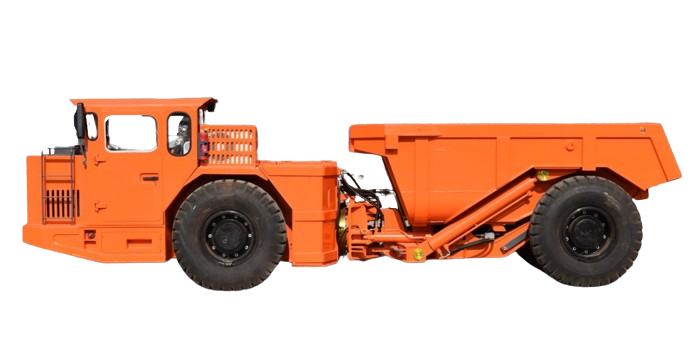
Cutting the running money of underground mine trucks means mixing picks like the right truck for the task, setting steady fix-up times, and making best use of gas or power. Here are a few real steps mining groups can take to cut the full cost of having them:
Optimizing Load Capacity: Picking the right truck for the hold is key to cut trips and boost overall good work. Small trucks are good for moving in tight spots. Big trucks can haul more each time. This cuts trips needed.
Investing in Electric Trucks: For mines with power access, putting money in electric-powered trucks can really cut gas money and fix-up costs over time.
Implementing Predictive Maintenance: Steady fix-ups are key for making trucks last longer and cutting stop time. By using guess-ahead fix-ups, mining groups can spot likely problems early. They can fix them before big messes.
Driver Training and Optimization: Teaching drivers to run trucks well can help cut running money too. Right driving ways, like keeping good speed and skipping quick starts, can cut gas use. They also cut rub on the truck.
These steps work together. They make mines save lots. Drivers who know how help a ton. Good picks on trucks match the job.
关于烟台驰鸿机械有限公司.
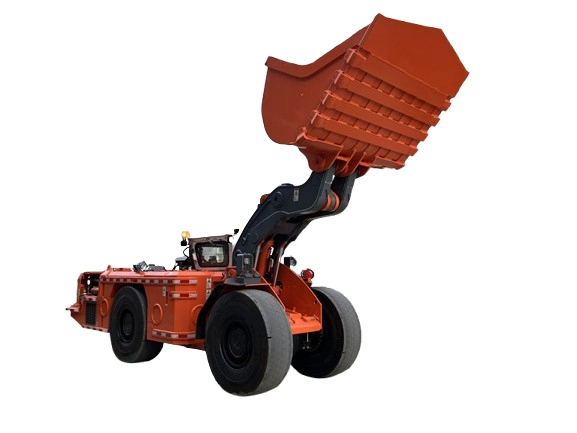
烟台驰鸿机械设备有限公司 is a leading supplier of underground mining equipment, specializing in high-quality mine trucks and loaders. With a commitment to innovation and reliability, the company offers a wide range of products designed to meet the diverse needs of the mining industry. Yantai Chi Hong Machinery focuses on providing solutions that enhance operational efficiency, reduce costs, and improve safety for mining operations worldwide.
结论
In the end, making underground mine trucks run better is a many-sided job. It needs close looks at hold size, power kind, balance, and fix-up needs. By picking the right truck for the task, putting in steady fix-ups, and checking gas-saving choices like electric trucks, mining groups can cut running money. They can make safety better and push up overall get-done.
常见问题
1. How can I figure out the right truck size for my dig work?
The right truck size hangs on the dig spot’s ground, tunnel size, and stuff move needs. Small trucks are good for slim tunnels. Big trucks can haul more each trip. This cuts down on trips needed.
2. Are electric underground mine trucks worth the money?
While electric trucks cost more at first, they give long-run saves from cheap gas and fix-up money. Plus, they are kind to the earth. They can help cut smoke outs.
3. How often should underground mine trucks get fix-ups?
Steady fix-up times hang on the truck’s size and power kind. Diesel trucks need more often checks on motor and gas systems. Electric trucks need steady power pack and power part checks.
4. Can underground mine trucks work in all kinds of ground?
Yes, new underground mine trucks are built to handle lots of grounds, like sharp ups and bumpy spots. Trucks with change-able hang systems give better balance and moving in hard spots.
5. What is predictive maintenance, and how can it help my group of trucks?
Predictive maintenance uses now-time info to watch truck work. It spots likely problems before they cause breaks. This way helps cut mend money and cuts down on stop time by fixing issues early.


 Chinese
  English
  Russian
  Spanish