



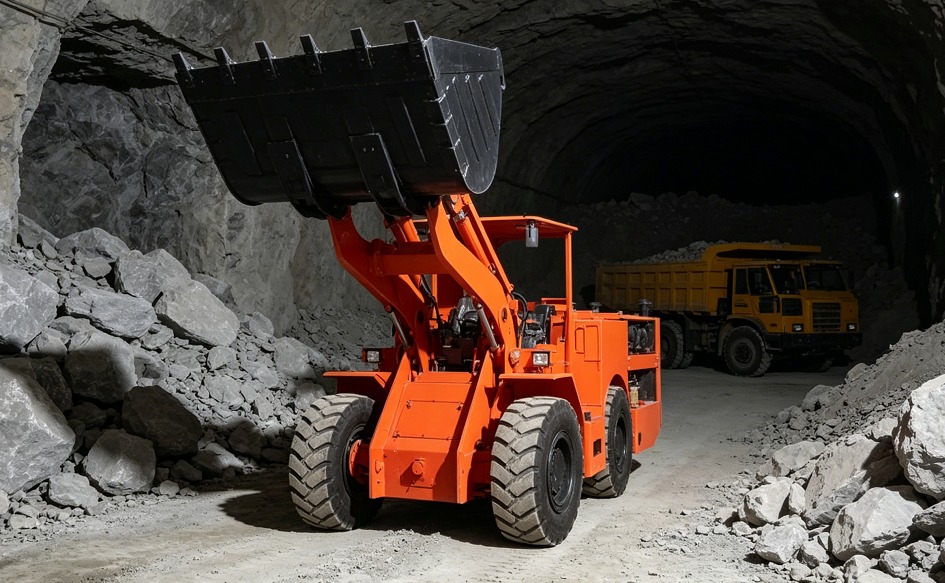
Working underground for extended periods of time can cause considerable strain on the human body. In addition to physical fatigue operators are subjected to constant vibration, noise, dust and confined spaces. When selecting an подземный трамвай mine managers and safety personnel consider more than just the size of the bucket or horsepower of the machine. A primary consideration is the level of operator protection afforded by the machine over long shifts.
Operator comfort, safety and retention are greatly affected by the positioning of the rear-frame of the operator cabin.
The Daily Reality for Underground Scooptram Operators
The work of a Scooptram operator (also called Loaders or LHDs) can be challenging, as they move around in low light conditions within narrow tunnels throughout their whole shift. In addition to physical strain, for example through whole-body-vibration from uneven floor, operators often have to adopt an unfavorable position of their back due to fatigue. Often also their neck is strained as they have to look in different directions as visibility is poor. After some months many of our experienced Scooptram operators search for less strenuous work.
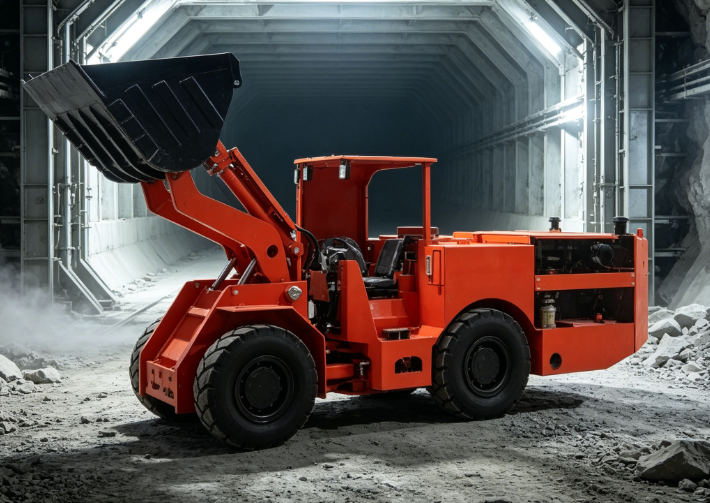
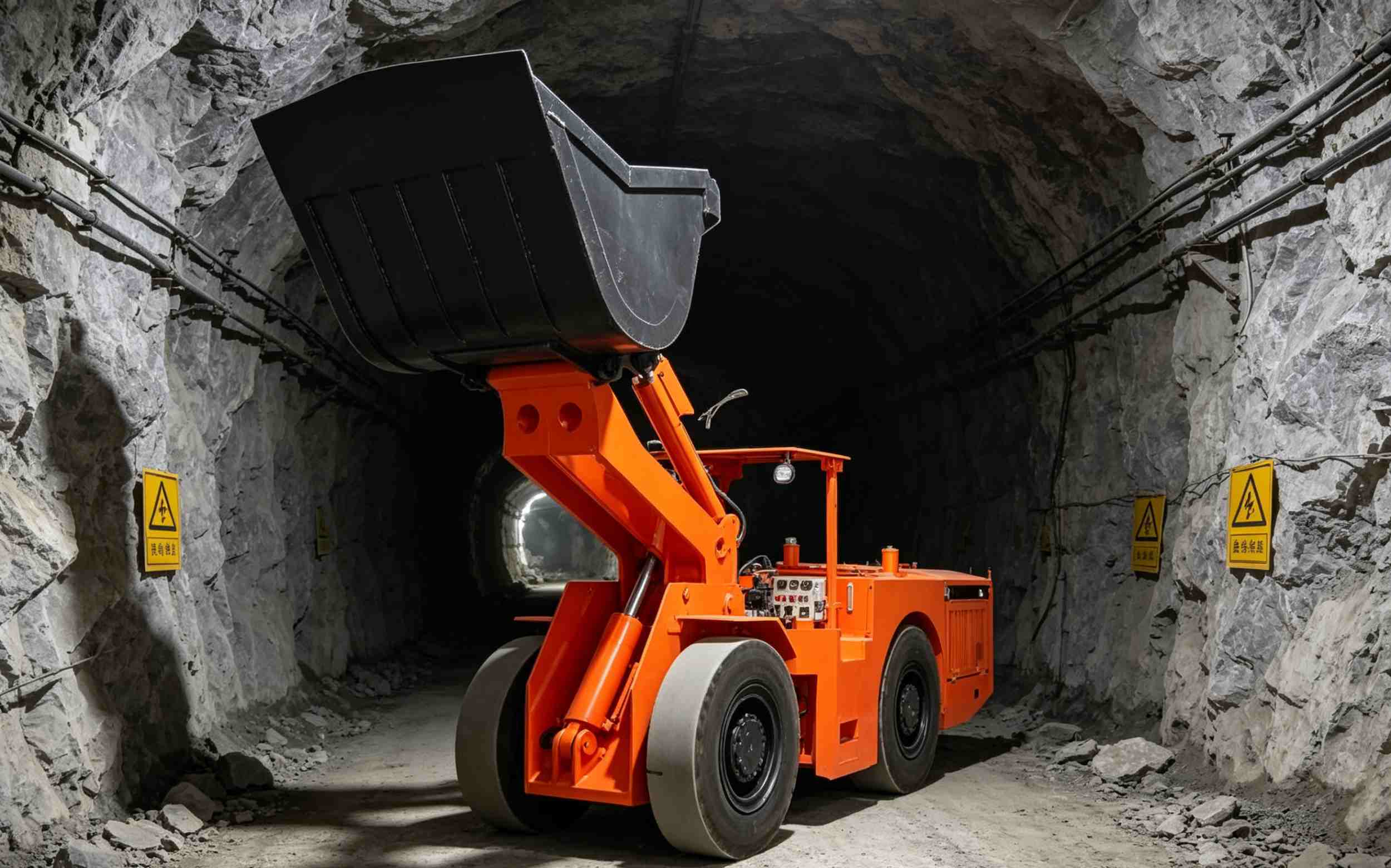
Modern underground scooptrams are being designed with Smart equipment. One of the main changes is that the operator cabin is positioned at the rear of the scooptram’s frame.
How Rear-Frame Cabin Positioning Works
The typical design of a cabin to be located at the front or middle of the machine. By locating the cabin at the rear of the frame, the operator moves with the rear section of the machine, whilst the front bucket is doing the actual work of loading. This design concept allows for several advantages in real mining operations.
Better Visibility Operators have a better view of the bucket and the surrounding walls. They don’t have to strain to see the loading and tipping of the bucket. This is particularly beneficial in narrow veins where they can avoid scraping the sides or hitting the roof of the vein with supports.
Reduced Whole-Body Vibration The rear frame experiences less direct shock from the bucket hitting rocks. This means less vibration reaches the operator. Studies in mining ergonomics show this setup can cut down fatigue during 8-10 hour shifts.
Tight Spaces Improved Safety The cab position is further from the working face and falling rock. Added safety in case of front-end collision or bucket overload.
Ergonomics Benefits That Matter for Long Shifts
Comfort is not a luxury underground, it is a matter of productiveness and safety.
- Seating and Controls: Rear-mounted cabins often allow for better seat suspension and more natural control layouts. Operators can reach switches without stretching.
- Noise Reduction: Distance from the engine and hydraulics helps lower noise levels inside the cabin.
- Climate Control: Many modern designs include better heating and air filtration, which is crucial in dusty environments.
- Easy Entry and Exit: Rear positioning usually makes it simpler to get in and out of the machine, reducing strain on knees and backs.
One mine supervisor observed that after converting to rear-cabin scooptrams, operators reported less fatigue at the end of their shift. Absenteeism decreased as well, allowing them to retain more experienced employees.
Impact on Operator Retention and Mine Performance
Quality mine operators are hard to find and very expensive to train. Many mines are losing money due to quality operators leaving the job because of discomfort or safety concerns.
Rear-frame designs help in several ways:
- Less physical stress means fewer medical complaints
- Better visibility reduces close calls and accidents
- More comfortable conditions make the job more appealing
Mines using well-designed LHDs with rear cabins often see better productivity numbers. Operators can focus on moving material efficiently instead of fighting the machine.
Key Ergonomic Advantages of Rear-Frame Design
- Clearer line of sight to the bucket and muck pile
- Reduced exposure to front-end impacts
- Lower vibration transmission to the operator
- More intuitive machine handling in reverse
- Easier daily maintenance access from ground level
Technical Features to Look For in Modern Underground Scooptrams
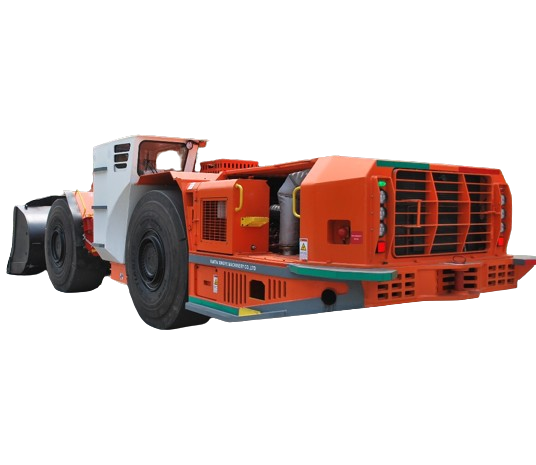
You might like to check the following details when evaluating a machine such as the CHWJ-0.6 model.
- Rear-mounted operator compartment for safety and comfort
- Compact dimensions suitable for narrow vein tunnels
- Strong powertrain for good penetration and loading
- Reliable braking systems
- Ground-level service points for faster maintenance
CHWJ-0.6 Scooptram Main Specifications
| Особенность | Specification |
|---|---|
| Веденная емкость | 0.6 cbm (1 cubic yard) |
| Operator Cabin | Rear frame positioning |
| Design Focus | Narrow vein tunnels |
| Key Benefit | Improved safety and ergonomics |
| Maintenance | Ground-level daily service access |
These features combine to make a very enjoyable machine to operate.
Why Cabin Design Should Be a Priority in Procurement
Most buyers focus on payload and cycle times, ignoring the human aspect. A machine is only as good as the person operating it. An operator who is tired or uncomfortable will work more slowly and make more errors. In the end, this will reduce production and increase cost.
Some forward-thinking mines are now including the operator’s feedback when choosing a new underground scooptram. Recognizing that better ergonomics equal better retention and safer workers, they are making important changes to improve the underground environment.
Yantai Chi Hong Machinery Co., Ltd. as Your Underground Mine Truck Supplier

Yantai Chi Hong Machinery Co., Ltd. is a China underground mine truck supplier with over 12 years of горнодобывающее оборудование experience. We are a professional mining truck manufacturer, who owns a large production base which covers an area of 96,000m², and always sticks to the high standard design and production line.
A feature of SBM’s underground scooptram fleet are units with a rear-frame operator’s cabin. High-quality machinery such as this is combined with first-class service by SBM after-sales. This includes the manufacturer’s warranty and various maintenance services to ensure that machines are ready to operate in arduous situations at all times.
Заключение
The positioning of the rear-frame operator cabin on a scooptram represents a very positive innovation in the design of underground mining machines. The cab location provides increased visibility for the operator when traveling forwards or reversing, it reduces vibration and exposure to potentially dangerous situations felt by the operator when a traditional style of forward-mounted cab is used, enabling the operator to work long hours in safety and comfort, enabling the best possible productivity from the machine whilst protecting his or her safety.
Consider the positioning of the cabin when purchasing and evaluating new LHD equipment. It matters for your operators and for your bottom line.
Часто задаваемые вопросы
What is the main advantage of rear-frame cabin design in an underground scooptram?
It improves operator safety by keeping the cabin away from the working bucket area. It also reduces vibration and gives better visibility during loading and dumping.
How does cabin positioning affect operator comfort during 8-hour shifts?
Rear-frame positioning helps lower whole-body vibration and noise. This reduces fatigue and muscle strain, helping operators stay more alert throughout long shifts.
Are underground scooptrams with rear cabins suitable for narrow tunnels?
Yes. Many models, including compact ones like the CHWJ-0.6, are specifically engineered with reduced width and turning radius for tight underground spaces while maintaining good ergonomics.
Does better scooptram ergonomics really improve operator retention?
It does. Operators who feel safer and more comfortable are more likely to stay with the company longer. This cuts training costs and keeps experienced people on the team.
What should mining companies look for when buying underground scooptrams?
Focus on cabin design, visibility, vibration control, and overall build quality. Also check the supplier’s experience, spare parts availability, and after-sales support.

 Russian
  English
  Chinese
  Spanish