



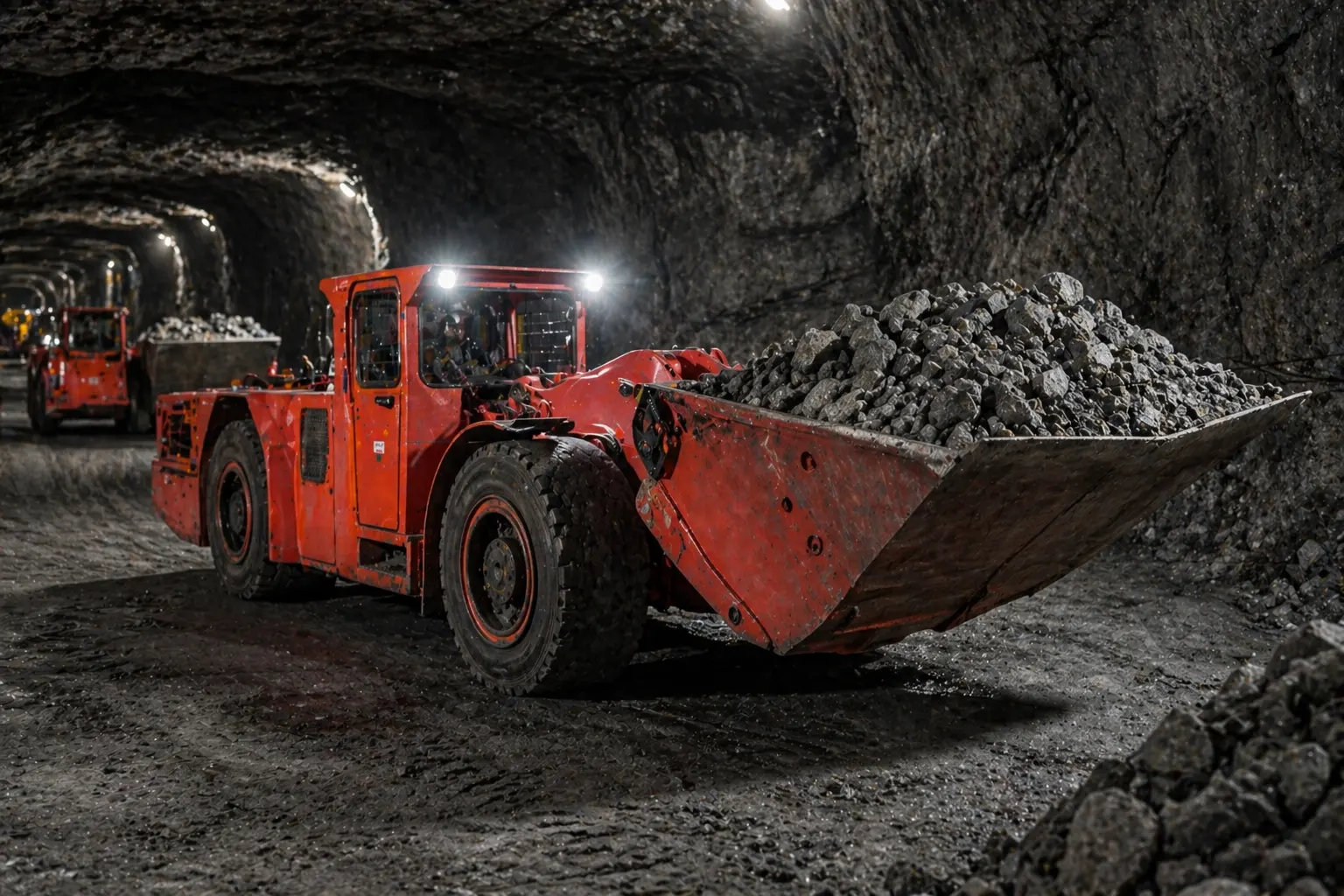
In underground mining work, the state of machines has a big effect on total output and safety. Скоптрамы that get good care run with better speed and dependability. They keep steady work during tough tasks. Regular upkeep cuts down on surprise stops and part breakdowns. These issues can mess up work plans and raise running costs if they happen. Routine checks spot wear signs that hurt performance. This lets repair teams fix problems early, before they turn into expensive fixes. In short, keeping equipment in good shape is a smart way to hold up long-term output and cut down on total costs over time.
Maintenance Strategies for Maximizing Scooptram Output
To boost scooptram output, workers need to use full care plans that mix in new tools. Using early warning upkeep with tracking systems and sensors raises active time. It spots odd issues right away. Planned part swaps keep steady work settings. This stops sudden failures during key work periods. Keeping track of care logs helps make choices based on facts for group handling. Planners can look at work patterns and set up fixes well. All in all, these steps build a clear plan to get the most from equipment in underground spots.
Operator Skill and Performance
Before we look at how worker skill affects scooptram output, it’s key to note that people often decide how well machines work in tight mining areas. This human side shapes daily tasks in ways that boost or limit results.
The Impact of Operator Competence on Cycle Efficiency
Worker skill has a major part in making loading, moving, and unloading cycles run smoothly. Trained workers handle these steps well. They keep good timing between speed control, stopping, and bucket shifts. Right use of speed, stop, and bucket actions cuts fuel use. It also lowers strain on the drive parts. Training builds knowledge of how machines react in tight spots. This helps workers move safely. They avoid slowing down cycles or hurting structures.
Methods for Improving Operator Productivity
To raise worker output, we need set training and ongoing checks. Model-based training copies real underground setups for practice. Workers can improve skills without real risks. Steady work checks find spots to get better. They use number studies on fuel savings and cycle steadiness. Reward plans can push workers to follow best ways of running. They give points for exact driving and energy-saving work. These steps together build a sense of duty and high standards among underground scooptram workers.
Mine Design and Layout Considerations
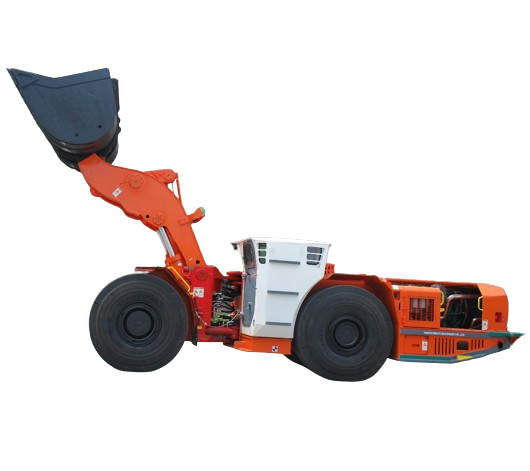
The setup of mine structures has a strong pull on how well scooptrams travel through paths and slopes. Good planning here can make a real difference in daily flow.
How Tunnel Geometry Influences Scooptram Movement
Tunnel shape is a main factor in cycle speed for underground moving systems. Tight paths or quick bends limit turning ease. They slow cycle times as workers must drop speed or make many direction changes. Enough space for turns boosts moving speed between load and drop spots. It allows easy shifts in path. Well-planned side spots stop traffic jams in move routes. This keeps smooth flow even in busy work times.
The Role of Ventilation and Gradient in Operational Efficiency
Air flow systems are key for keeping clean air in underground mines. Good air flow holds engine power by managing air cleanness and heat. It stops power drop from too much heat or low oxygen. Sharp slopes raise fuel needs and cut moving speed. Engines push harder against pull of earth. Smart slope setup weighs output against safety needs. It keeps slope angles low while holding good travel lengths between floors.
Material Characteristics and Loading Conditions
Traits of materials have a direct say in how fast a scooptram finishes each load cycle. Understanding these helps in planning better.
The Influence of Ore Fragmentation on Loading Time
Ore break-up sets how easy it is to fill the bucket in cleanup tasks. Even break-up lets quick bucket loads with little spill. Material moves well into the bucket space. Big rocks slow things down. They need many tries to load or cause jams that block smooth work. Managed blasts better material flow in cleanup. They make pieces in a good size for fast handling.
Bucket Design Adaptation to Material Properties
Choosing the right bucket setup is vital for fitting different ore kinds. Picking the best bucket size raises fill amount without over loading the drive or losing balance on trips. Tough materials last longer in rough ore spots. There, steady touch with sharp pieces speeds up wear. Good bucket shape makes sure easy push into dirt piles. It cuts push-back during scoop moves and raises cycle pace.
Operational Planning and Fleet Coordination
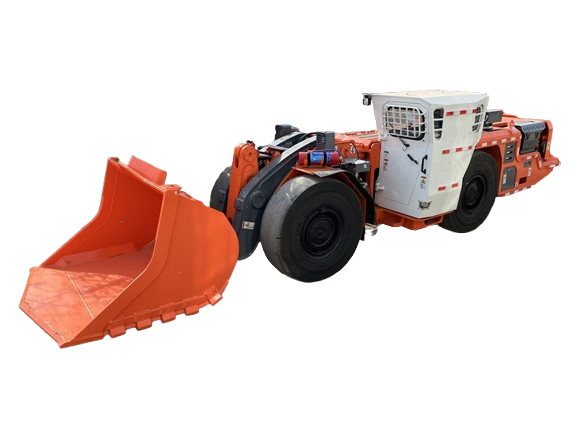
Strong planning makes sure each machine adds the most to mine output. It ties everything together for better results.
Scheduling Strategies That Enhance Equipment Utilization
Team shift planning cuts wait times between loads and drops. It lines up jobs over several machines in the group. Live send systems improve machine sharing based on spot data from built-in trackers. Even group size stops jams in material chains. It matches move power with output goals at each dig site or ore drop.
Integration of Technology in Fleet Management Systems
Tech changes have changed how mining groups are run now. Auto tools watch cycle times, loads, and fuel use all the time. They check work speed at each production step. Number studies spot weak spots over many machines. They compare standards across work periods or places. Talk systems better team work between scooptrams, trucks, and crushers. They use main control setups that match send orders fast.
Yantai Chi Hong Machinery Co., Ltd.: A Reliable Underground Scooptram Supplier
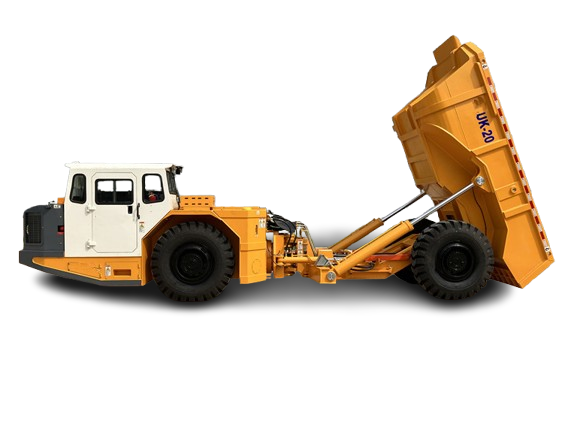
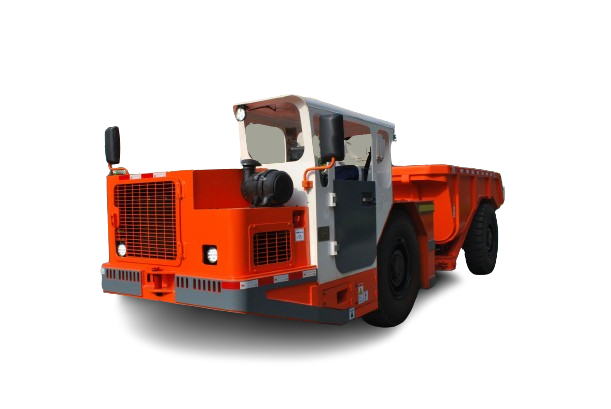
Yantai Chi Hong Machinery Co., Ltd., known worldwide as a solid source for underground mining gear fixes, focuses on making strong scooptrams for hard underground spots. Their items stress lasting build, easy-to-use design, better hydraulic setups, and top turning ease for tight tunnel work. The firm’s push for new ideas makes sure buyers get machines tuned for output gains and cost savings in many mining uses.
Заключение
Scooptram output in underground mining tasks relies on a full mix of machine steadiness, worker know-how, mine setup tweaks, material handling plans, and joined planning backed by tech watch systems. Each part links in real ways. Equipment state affects active time. Trained workers turn machine power into real results. Mine paths set move speed. Material traits shape load actions. Digital group handling runs matched work flows that keep steady output drive.
Часто задаваемые вопросы
What is the most critical factor influencing scooptram productivity?
While all parts add a lot, equipment state stays the top one. It ties right to active time trust and work safety in tight mining spots.
How does predictive maintenance benefit underground scooptrams?
Early warning upkeep uses sensor facts to find early wear or fault signs before breaks happen. It cuts stop costs and stretches part life through on-time fixes.
Why is operator training essential for improving cycle efficiency?
Full worker training boosts exact control over speed reaction, stop ways, and bucket spots. This leads to even cycles that use less fuel and max load steadiness per trip.
 Russian
  English
  Chinese
  Spanish