



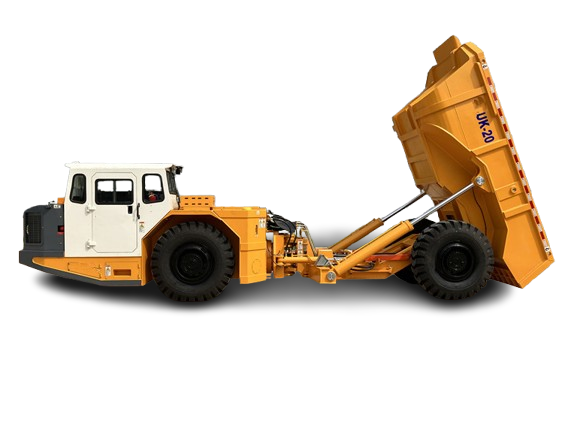
Picking the right underground mine truck matters a lot. It impacts how well mining work runs, how safe it is, and how much money operations make. You need to match the truck to things like tunnel size and haul distance. These factors decide if the equipment works well and costs the right amount. They affect how trucks move in tight spaces and carry ore over different lengths. Choosing the best underground mining truck boosts output, cuts repair expenses, and improves worker safety. It does this by lowering risks in tight underground areas.
How Does Tunnel Size Influence Underground Mine Truck Selection?
The size of underground tunnels is one of the main things to think about when picking mining trucks. Tunnel shape sets the limits on truck size and how easily it can move around.
Dimensional Compatibility and Clearance Requirements
Tunnel height and width set the biggest truck size that can work safely. This avoids damage to structures or blocks to air flow systems. Keeping enough space clear is key. It stops crashes with air pipes, power lines, or walkways for people. In tight or winding tunnels, how well the truck turns is very important. Trucks with joints and small bodies often do better than stiff ones. They handle sharp bends more easily. So, when tunnels are small, workers pick gear that mixes load size with fit to the space.
Payload Capacity vs. Tunnel Constraints
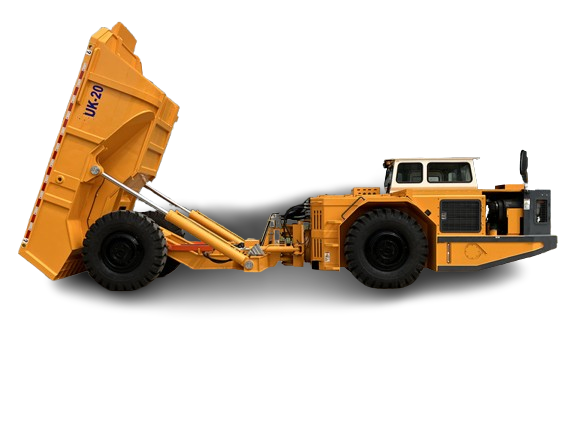
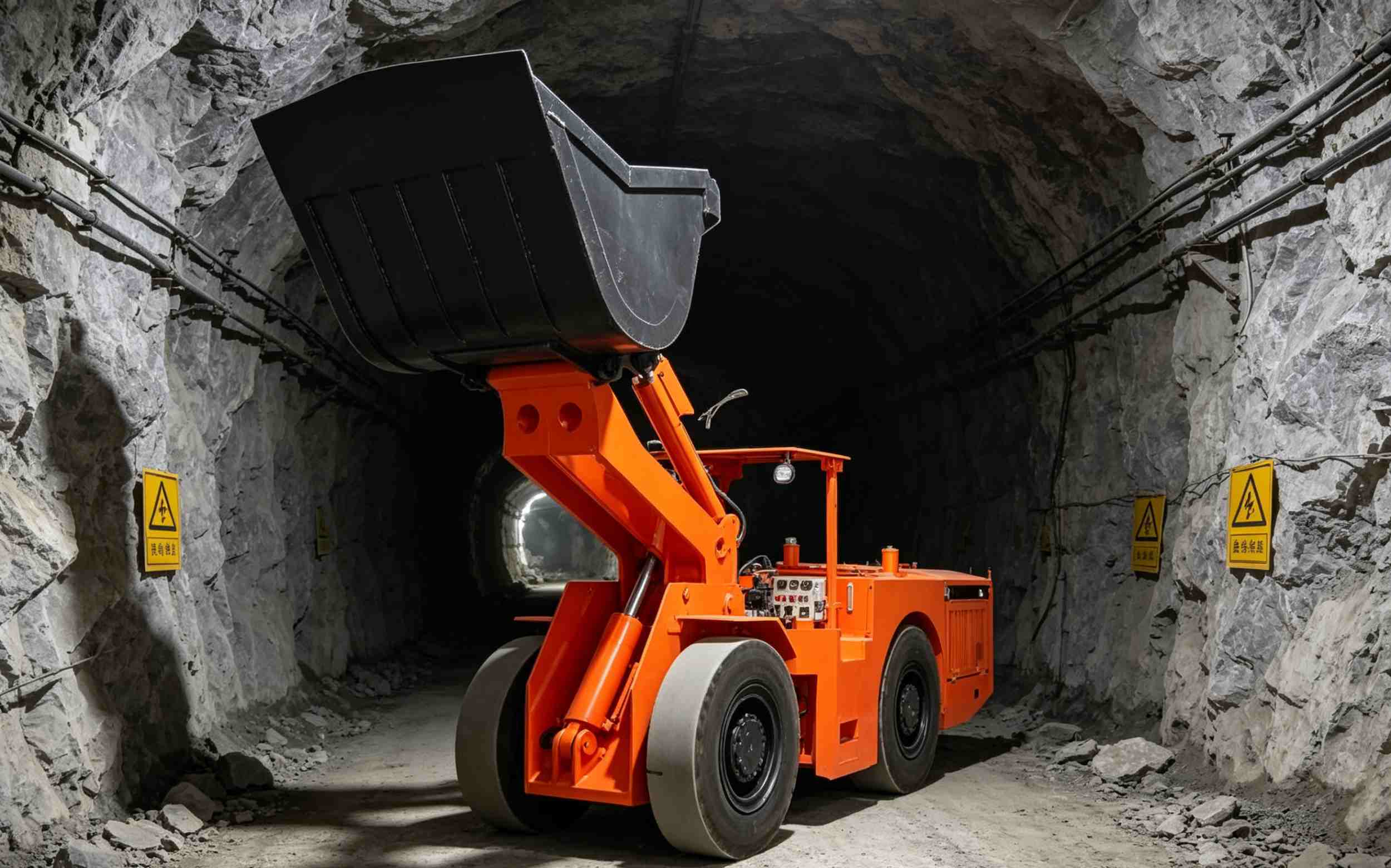
Tight tunnels call for small trucks. These are built to carry as much as possible in limited room. This creates choices between cargo amount and ease of getting around. Big trucks hold more but might need expensive tunnel widening to fit. Mine experts must check if changing the tunnel or using smaller trucks works better over time. Often, picking small but strong trucks saves money more than making tunnels bigger.
Now, moving from space limits to daily work flow, the length of the haul also shapes the best setup for 地下矿山卡车.
What Role Does Haul Distance Play in Choosing the Right Mine Truck?
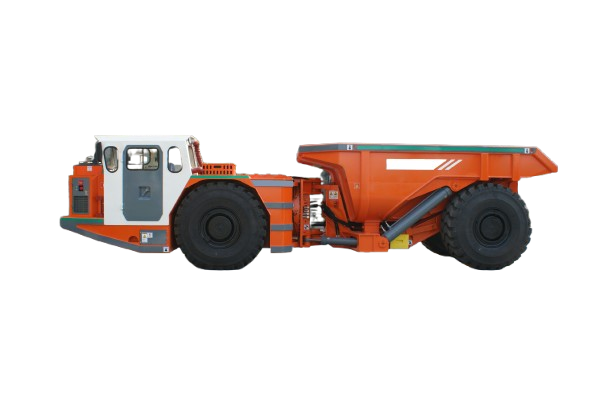
The distance trucks travel affects how the machine works and if it makes financial sense in underground mining.
Impact of Haul Distance on Truck Powertrain and Efficiency
Long paths need strong drive systems. These must handle heavy cargo over many trips. Trucks on long routes have motors with more pulling power and bigger fuel tanks. This keeps steady work against uphill pulls. On short paths, electric or mixed drive setups help. They cut pollution and use less energy per trip. Experts must study the link between slope angle, pulling force, and trip length. This ensures good energy use on different ground types.
Maintenance and Cycle Time Considerations for Varying Distances
Long hauls speed up damage to key parts like tires, brakes, and drive lines. This happens from long work under heavy weight. To keep ore moving on far routes, improving the group of trucks is vital. It balances the number of trucks with trip times. This keeps output steady and cuts wait times. Workers also think about speed versus dependability. Too much speed can shorten fix times, while slow trips might lower total work. Smart planning with tools that guess repair needs keeps steady work without harming truck life.
After looking at body and work factors that guide truck picks, it’s key to check exact tech details that make a truck fit for underground jobs.
Which Technical Specifications Should Be Prioritized in Underground Mining Truck Selection?
Tech details decide how well a truck does in certain mine settings.
Payload-to-Power Ratio Optimization
Linking cargo weight to motor strength is needed for good hauling trips. A good cargo-to-power match stops too much strain on parts. It also gives enough push for hills and speed with loads. Too strong setups waste fuel and raise pollution. Too weak ones make trips longer and wear parts faster. Both hurt money matters in work.
Turning Radius and Articulation Design Features
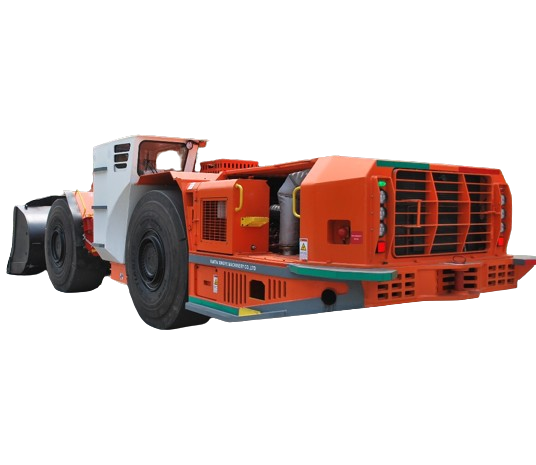
How the truck steers matters a lot for moving in small tunnels. Trucks with jointed bodies show better bend in rough areas. They go around tight spots without much tire slide or wall bumps. This build helps movement and safety in tricky underground paths with little room to turn.
Safety Systems and Operator Comfort Enhancements
New underground mine trucks add smart safety tools. These include auto brakes, fire stop systems, and strong driver rooms that take hits. Comfortable driver areas cut tiredness on long work hours. Built-in watch systems help drivers in poor sight from dust or dim lights. These features together lower crash chances and keep work going strong.
With tech changing fast in mining, digital tools now help make truck work better in big ways.
How Can Technology Improve Underground Mine Truck Performance?
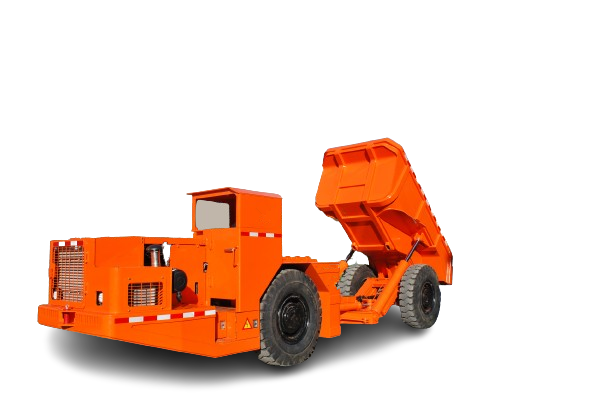
Adding tech is now a must for better aim, safety, and work speed in underground carry systems.
Automation and Remote Operation Capabilities
Auto systems let trucks run from far-off control spots on the surface. This cuts worker time in risky spots like gas areas or shaky ground. Tracking tools give live info on truck health. This covers fuel use, heat changes, and cargo weights. It lets workers make smart choices based on facts. This boosts truck trust and cuts stop times.
Data Analytics for Fleet Optimization
Data tools look at info from sensors to guess repair times before breaks happen. This is called ahead-of-time fixes. It stops surprise stops that mess up work plans. Also, path planning software checks routes by slope shapes and crowd levels. It cuts fuel per ton moved. By gathering and checking data ongoing, mine firms can adjust work plans for the best money return.
To use these new tools well, teaming with a solid maker that gives custom fixes is key for hard underground work.
Why Partner with a Reliable Supplier Like Yantai Chi Hong Machinery Co., Ltd.?
Working with a trusted maker gives entry to top goods made just for tough underground spots.
Company Overview and Expertise in Underground Equipment Manufacturing
烟台驰鸿机械设备有限公司 focuses on building tough underground mine trucks. These fit many tunnel sizes and haul lengths in world markets. The firm’s build skills cover strong parts and system joins for harsh mine settings where trust is most important.
Product Quality, Customization, and After-Sales Support
The firm offers change-to-fit answers for each buyer’s ground setup. This could be tight rock mines needing small loaders or deep spots wanting big carriers. Full after-work help includes tech aid lines, parts stock paths, and set fix plans. These keep trucks running smooth over their full use time.
By mixing new build ideas with design know-how for real use, Yantai Chi Hong Machinery Co., Ltd. gives mine groups solid team links based on work promise.
结论
Picking an underground mine truck means weighing tunnel shape limits against haul length needs. At the same time, focus on drive strength, turn ease, safety tools, and tech fit. A good match setup not only raises output but also lowers total run costs. It does this through better energy use and less part wear. Teaming with skilled makers like Yantai Chi Hong Machinery Co., Ltd. helps workers reach lasting work results. This comes from custom build fixes tuned to their special site needs.
常见问题解答
What factors should be prioritized when choosing an underground mine truck?
Main focuses include fit with tunnel size details, right cargo-to-power links for set haul lengths, trusty brake setups for sharp slopes, easy driver rooms for rest on long hours, plus open fix spots that allow fast checks in tight zones.
How does tunnel gradient affect truck selection?
Sharp slopes call for trucks with stronger pull motors. These keep grip under heavy cargo. They also use strong brake parts to go down safely. This handles heat strain on long down trips.
Can electric mine trucks handle long-haul distances effectively?
Battery-run trucks do great on short or mid paths. There, charge spots are close by. But mixed battery-diesel setups work better on far paths. They mix battery savings with fuel extra push. This gives steady power over longer trips.

 Chinese
  English
  Russian
  Spanish