



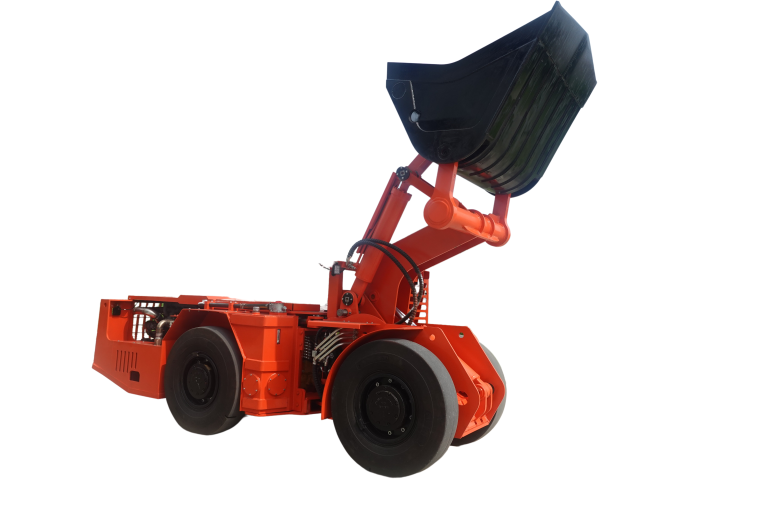
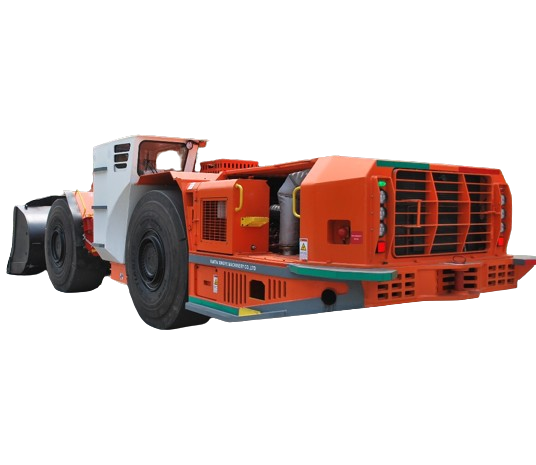
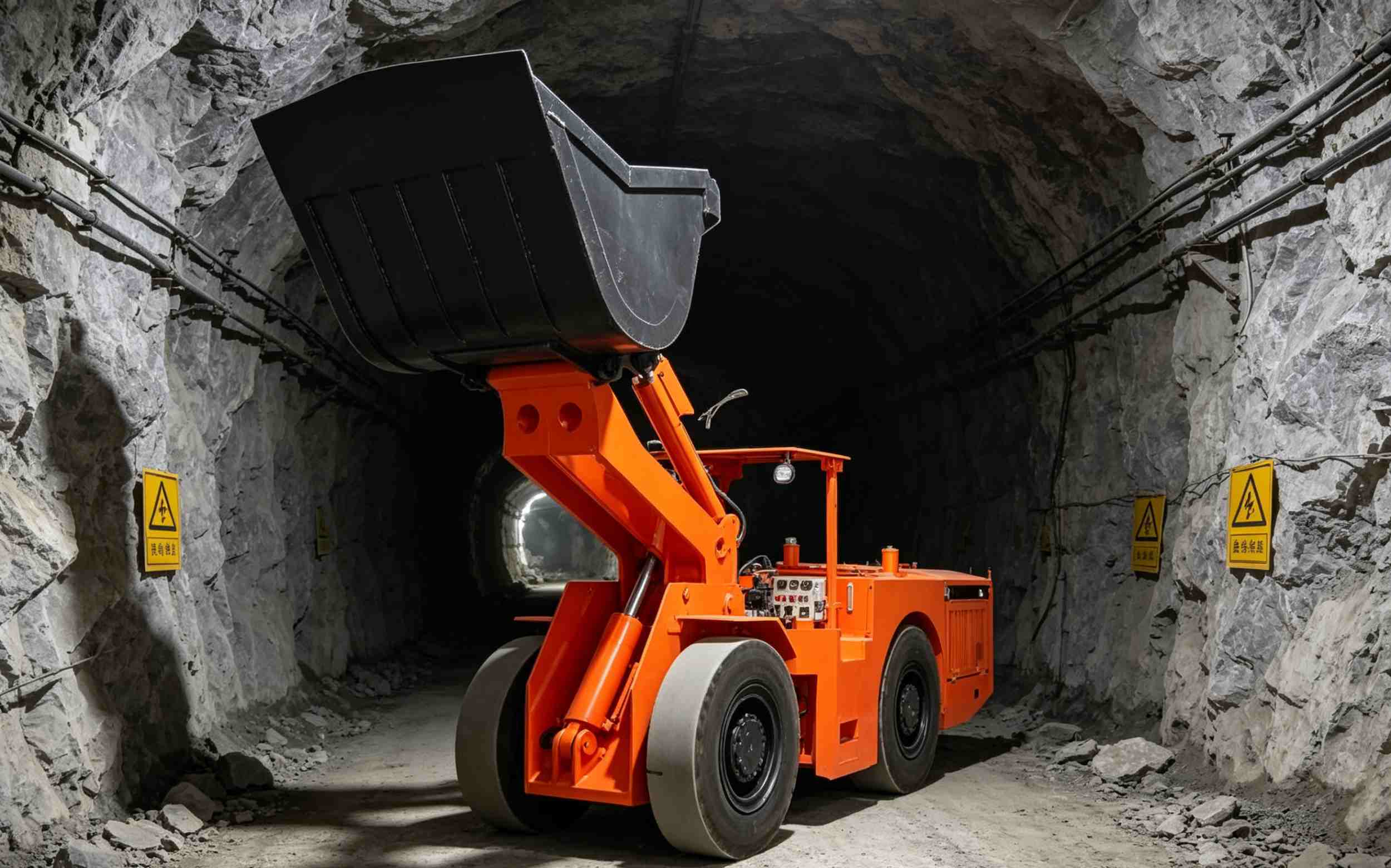
Remote-controlled scooptrams, also known as remote control scooptram systems, work as essential aids for safety in underground mining. They speed up tasks and help protect employees. These units depend on radio or Wi-Fi signals for guidance. Operators handle the process of loading and transporting items from a safe distance. Key components often include built-in sensors, hydraulic systems, cameras for video, and tools for transmitting messages. These elements pass information from the unit to the operator’s console.
The main difference among manual, tele-remote, and autonomous scooptrams lies in how much human effort they need. Manual types require the driver to be inside the cabin. Tele-remote versions allow team members to steer them remotely using live video feeds. Autonomous mining equipment operates based on pre-set commands and needs just minimal human oversight. Ties to underground communication lines ensure that data flows smoothly from the units to main centers. Therefore, operators can respond quickly with up-to-date facts.
After looking at this simple summary of the tech, it makes sense to examine how automation has changed equipment in underground mining.
How Has Automation Evolved in Underground Mining Equipment?
Changes in mining tools have happened step by step. They began with loaders controlled by hand and moved to setups that run partially alone or fully on their own. In the past, scooptrams called for direct handling by workers in risky areas. But changes in tech and the arrival of Industry 4.0 have transformed the whole area. Now, automation uses linked tools, cloud services, and machine learning to better results.
Looking at data plays a big part in this change. It turns everyday work logs into helpful insights. Current scooptrams come with sensors that check temperature, shakes, hydraulic pressure, and fuel levels. With factory Wi-Fi or LTE links, there is steady contact between the units and control areas. So, this allows for fixes before problems grow and cuts down on downtime.
Now that we see the quick rise of automation, we can focus on how remote-controlled scooptrams lower dangers in tough mining spots.
What Is the Role of Remote-Controlled Scooptrams in Hazardous Mining Environments?
Together, these safety improvements also set the stage for a broader operational advantage, where reduced risk exposure begins to translate into more consistent and efficient production performance underground.
Identifying High-Risk Zones in Underground Mines
Underground mines put staff at risk from issues like rock falls, gas releases, water rushes, and weak airflow. These problems vary with the rock types and mine depth. Equipment for scanning the area, such as gas monitors and air testers, helps spot trouble zones before starting jobs. Unsteady rocks link closely to the push for automated help. In harsher spots, the need to use machines run from afar or solo grows stronger.
This leads us to ways remote control can build on these checks to safeguard workers better.
Enhancing Safety Through Remote Operation
Remote-controlled scooptrams cut down the hours workers spend in harm’s way. Team members can run the units from safe spots, like the surface or protected underground zones. Controllers get constant video views. These views get backed by LiDAR scans and object-sensing tools, which give a clearer picture of the scene. Machine details, like engine stress or brake heat, stay under watch all the time. Such monitoring stops accidents from part failures. In the end, blending these tech safeguards creates a core part of modern protection in underground mining.
Now that we know their safety edges, it’s useful to see how they stack up in speed against traditional methods.
How Do Remote-Controlled Scooptrams Improve Operational Efficiency?
This stronger connectivity layer does more than keep machines online—it ensures that efficiency gains from remote operation can be consistently realized in real working conditions, rather than only in ideal test environments.
Performance Comparison: Manual vs Remote-Controlled Scooptrams
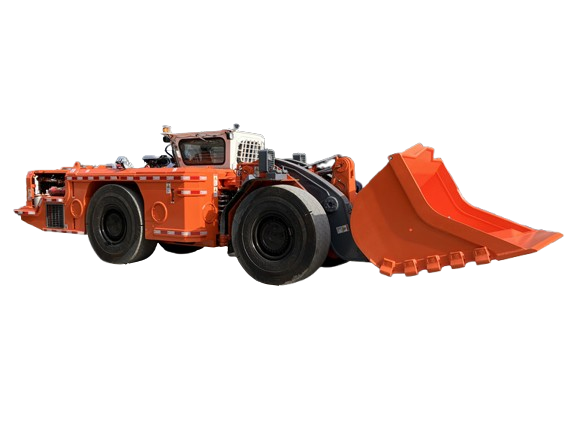
Tests on how they perform show remote-controlled scooptrams often wrap up jobs quicker. They do this with better route mapping and less idle time. Manual ones rely heavily on the driver’s skill in tough conditions. But tele-remote options keep output steady, no matter the challenges. Maintenance needs change too. Remote machines see less damage to parts since they skip the quick jerks seen in hands-on use. Also, energy management apps save on fuel and improve load-filling rates.
From this matchup, solid data links stand out as key to unlocking these gains below ground.
Data Connectivity and System Reliability Underground
Keeping steady data flows counts as a top challenge for remote work underground. Rock walls often block radio waves. So, tough wireless setups, like mesh grids or LTE tech, are vital for firm bonds. Backup plans, such as extra antennas or backup cables, keep commands flowing without gaps. This setup holds up in deeper mines where signals fade often.
With these operation perks laid out, a financial review shows more about whether this tech pays off.
Is Adopting Remote-Controlled Scooptrams Economically Viable?
When multiple remote-controlled or semi-autonomous scooptrams are deployed across a site, coordination becomes a defining factor in whether the expected ROI is fully realized, making fleet-level integration and operational planning just as important as the performance of individual machines.
Cost-Benefit Analysis for Mining Operators
The initial cost for a remote control kit can seem high. It covers custom parts, software ties, and staff training classes. Yet, gains in the long run offset these starts. Savings come from more output and lower injury costs. Worker roles get sharper, with fewer folks needed in danger areas. Training focuses on system monitoring over direct handling. Plus, spot fixes in advance mean less lost time, which lifts income across job cycles.
Taking this further, handling the equipment’s full span and figuring ROI gives a better view of lasting worth.
Lifecycle Management and Return on Investment (ROI) Factors
Managing the lifecycle means keeping physical parts and tech bits in good shape. This includes software patches or sensor tweaks on a regular schedule. Predictive fixes stretch out how long the gear lasts by catching issues early. Part ordering runs smoother with data-driven stock plans. For ROI math, consider ore grade shifts, mine levels, production volumes, and system uptime. All these shape the money benefits of investing in autonomous mining equipment.
When mines bring in lots of auto units at once, smooth teamwork turns into a must for future growth.
How Do Remote-Controlled Scooptrams Integrate with Broader Autonomous Systems?
Alongside these operational and technological developments, mining companies are also increasingly evaluating how autonomous systems influence environmental performance and overall sustainability targets, adding another important dimension to system integration decisions.
Interoperability with Other Autonomous Equipment
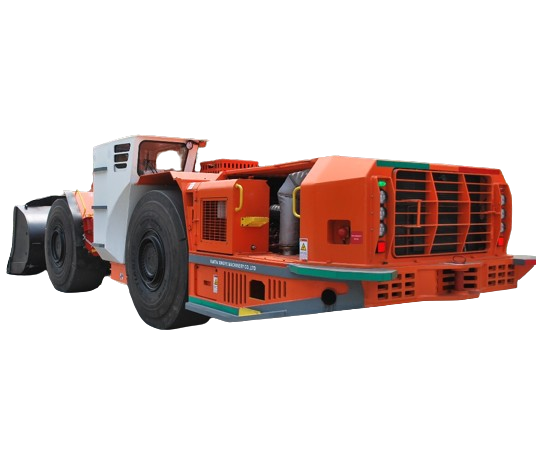
Today’s mines often run groups of gear, including haul trucks, drill rigs, and loaders. They link to main control posts for timed group work. Remote-controlled scooptrams share data through standard protocols. Thus, they pair well with tools from other brands. Central panels let managers track many items together. They also smooth traffic in narrow shafts using auto-scheduling programs.
Beyond that, the path from remote control to total self-rule in underground work builds in clear steps.
Transition Path Toward Full Autonomy in Underground Operations
Moving from remote steering to AI-driven solo mode happens in phases. First, partial auto aids turn into full self-navigation. These use AI models trained on site data. Sticking to rules remains a key hurdle. This is because safety codes for driverless zones keep updating. Staff adjustment efforts train operators for oversight duties on self-running fleets. It marks a key step toward ongoing tech shifts in mining jobs.
Aside from task goals, the eco side matters a lot too.
What Are the Environmental Implications of Automated Mining Operations?
Taken together, these efficiency gains not only reduce day-to-day resource consumption but also position automation as a key enabler of long-term environmental responsibility in modern mining operations.
Energy Efficiency Benefits of Automated Operations
Automation aids energy saving in mine sites. It reduces wait times with smart scheduling that matches machine use to ore needs. Links to electric or hybrid drives lower fumes from diesel engines, usual in underground spots. With fewer staff below, ventilation demands ease up. This brings down total energy needs across mine facilities.
On top of that, these savings tie into larger aims for green practices in mining.
Contribution to Sustainable Mining Practices
Automated tasks match well with ESG goals that big mining firms follow worldwide. These goals target safer sites and less eco harm. By trimming accident downtimes and repair waste, companies boost their green ratings and social pledges. Safer setups also support long-range mine rehab plans. Controlled machine runs lead to fewer site damages.
Before closing our review of smart tech benefits, it’s good to mention a reliable maker supporting this change globally.
关于烟台驰鸿机械有限公司.
烟台驰鸿机械设备有限公司, located in China’s Shandong province, stands as a solid builder of underground scooptram choices for worldwide mining needs. The firm offers durable remote control scooptram models made to handle rough rock areas. Their engineering focuses on easy-to-use designs plus strong ties to automation tech. Regular innovations keep them set for expanding digital mine setups. They maintain strict quality controls at each production stage.
结论
Remote-controlled scooptrams show a big advance in safety tech for today’s underground mining. They mix risk reduction with higher output using automation-focused designs. How they fit into bigger autonomous networks points to a steady shift to all-digital underground tasks. This shift stresses eco-friendly methods and profit chances.
常见问题解答
What makes remote-controlled scooptrams safer than conventional loaders?
These setups pull operators away from risky zones. At the same time, they give full views through cameras and constant sensor data. The sensors watch local conditions non-stop.
How does connectivity affect performance reliability?
Firm network ties make sure orders go through without hitches. Extra Wi-Fi or mesh setups guard against signal breaks, even far underground.
Are remote-controlled scooptrams suitable for all types of mines?
They fit best in deep or unstable rock sites where human risks are high. Still, they can tweak for various ore jobs if the site is ready.


 Chinese
  English
  Russian
  Spanish